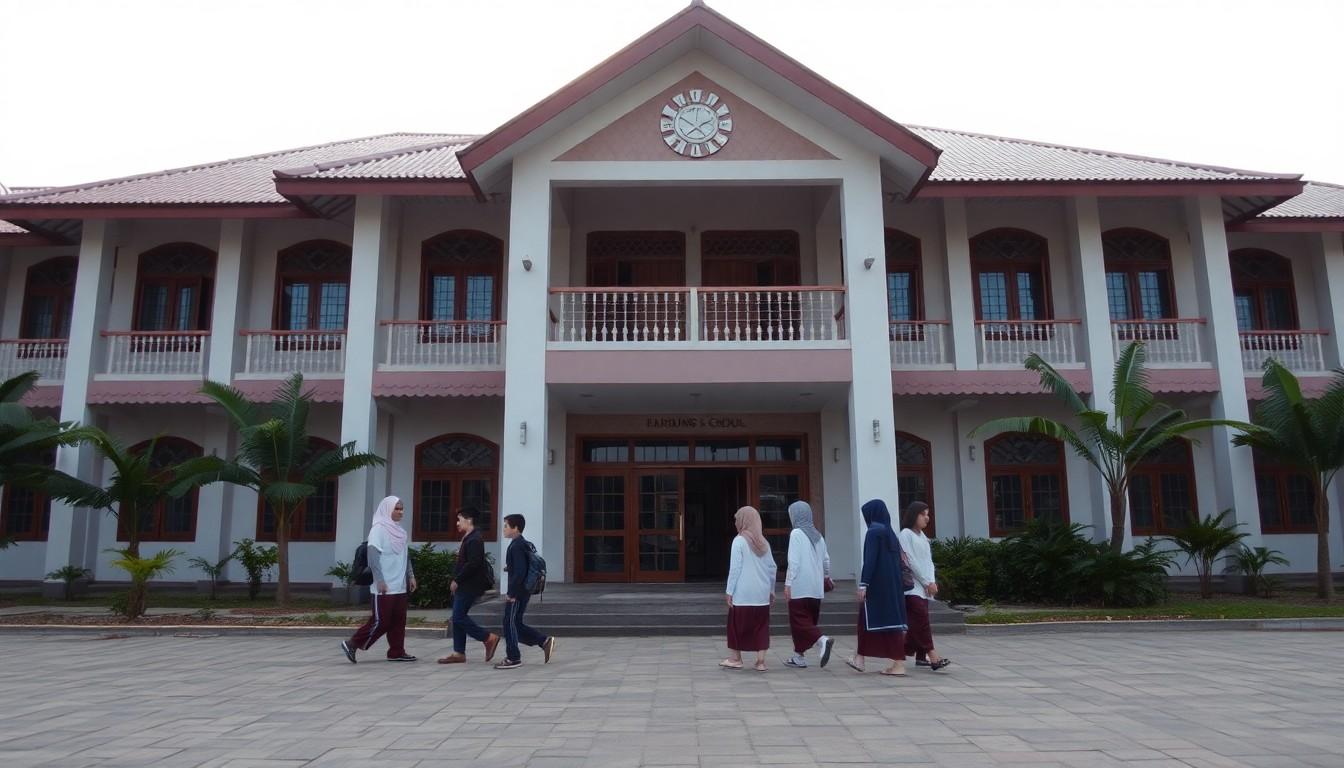
Shoppers of news have noticed Indonesia moving to add religious instruction discouraging “LGBTQ culture” into state-run Islamic boarding schools and colleges, a step that rights groups say matters because it risks legal discrimination, fuels stigma and shifts national defence policy toward culture , with real consequences for students and minorities.
Essential Takeaways
- Policy change: The 2025 Presidential Regulation lists the “spread of LGBTQ culture” as a non-military threat, a classification now filtering into education settings.
- Government move: The Religious Affairs Ministry plans curriculum content discouraging LGBTQ identities for state-run pesantren and higher religious schools.
- Rights concerns: Activists and clergy warn this risks discrimination, criminalisation and erosion of constitutional protections.
- Local reactions vary: Some regional officials back the move citing public unease and HIV concerns; rights groups call it a distraction from economic problems.
- Practical impact: Students, teachers and campus media may face pressure; legal changes like criminalising extramarital sex make LGBTQ people more vulnerable.
What the policy actually says and why it matters
Indonesia’s new defence policy now lists the “spread of LGBTQ culture” alongside cyberattacks and online gambling as a non-military threat, and that label matters because it frames a social group as a national risk. The Religious Affairs Ministry has said it will draft teaching materials for state religious schools and pesantren, signalling a pipeline from presidential policy to classroom instruction. According to reporting, that shift turns private prejudice into an institutional priority and could normalise exclusion in education. For parents and educators, the practical upshot is clear: curriculum content can shape attitudes, and state-backed messaging carries extra weight.
Rights groups and activists push back , with reasons
Human-rights advocates have denounced the move as discriminatory and unconstitutional, arguing it risks singling out citizens for moral censure. Activists on Flores Island and elsewhere describe it as a backward step for acceptance and warn that campaigns framed as “protecting morals” often worsen harassment. They also point to legal context: recent revisions criminalising extramarital sex leave a tool that could be used against LGBTQ people. For anyone worried about liberties, this isn’t merely symbolic , it has legal and daily-life implications for safety and participation.
Political and social currents behind the decision
Observers note the development doesn’t happen in a vacuum. Some politicians and clerical bodies have long campaigned against LGBTQ recognition, and local officials in places such as West Sumatra and Aceh have publicly supported anti-LGBTQ measures, citing community unease or public health claims. Critics suggest the timing also distracts from pressing problems like corruption and inflation. So the move reflects a mix of moral politics, regional conservatism and national image-making , and it’s likely to keep playing well with certain constituencies.
What this means for schools, students and campus media
Embedding anti-LGBTQ content into school instruction raises practical questions: how will teachers present it, what protections will students have, and how will campuses manage debate? Student papers have already felt the heat after coverage of LGBTQ topics prompted backlash and article removals. Expect increased self-censorship, tighter oversight of student media and pressure on campus groups. For families choosing schools, it’s worth asking administrations about safeguarding policies, anti-bullying procedures and whether religious instruction will single out specific identities.
How to respond if you’re concerned or affected
If you’re a parent, student or teacher worried about the change, start by checking your school’s policy and raising questions with governors or committees. Document incidents and seek advice from local civil-rights groups if you face discrimination. For advocates, public legal challenges, measured dialogue with education authorities and community outreach that highlights shared values can blunt polarisation. Meanwhile, staying informed and supporting safe spaces on campus helps protect vulnerable students.
It's a small policy shift with outsized social consequences , keep watching how classrooms, courts and communities respond.
Source Reference Map
Story idea inspired by: [1]
Sources by paragraph: