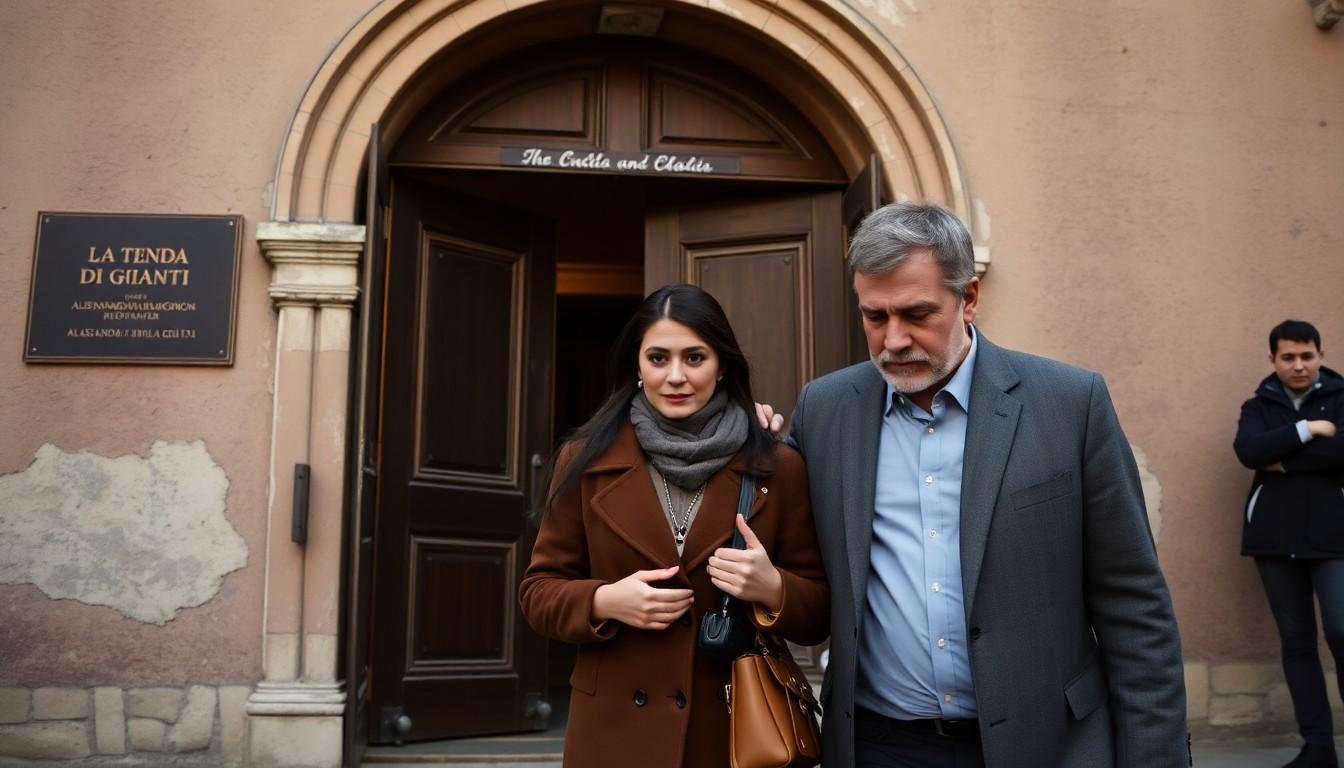
Shoppers are turning to stories like this for a reminder that faith communities can protect vulnerable people. An Italian Catholic LGBTQ+ group, La Tenda di Gionata, has been quietly aiding transgender and gay refugees from Turkmenistan, helping them escape persecution and pursue humanitarian asylum , and the work matters because dignity, safety and legal help can be life-changing.
Essential Takeaways
- Rescue network: La Tenda di Gionata has connected with several Central Asian LGBTQ+ asylum-seekers, offering practical and emotional support.
- Severe persecution: People forced to flee report arrests, torture, sexual violence and ongoing police harassment in Turkmenistan.
- Medical needs: Asylum seekers may arrive with urgent health issues, including TB and HIV, requiring coordinated care.
- Faith-based advocacy: Catholic groups can and do provide sanctuary and resources, aligning with Catholic social teaching on human dignity.
- Fragile shelter: Being outside one’s country doesn’t equal safety , legal status and stable host-country placement remain critical.
Why this small Italian charity is getting noticed
La Tenda di Gionata started as a faith-rooted project and now supports people whom bureaucracies and borders have failed. The group’s volunteers, like Alessandro Previti, have helped multiple young men and women from Turkmenistan and neighbouring states, arranging safe passages and asylum routes. It’s striking how intimate and hands-on the work is: volunteers act as advocates, translators and often the first source of warmth after trauma.
Catholic groups offering this kind of help challenge a stereotype that faith organisations are uniformly hostile to LGBTQ+ people. For many refugees, a local volunteer with connections can mean the difference between indefinite danger and a chance to apply for humanitarian protection.
What survivors report about life in Turkmenistan
Those who flee tell harrowing stories: repeated arrests on vague charges, physical and sexual violence while detained, and social rejection from family and employers. One transgender woman described being trafficked, drugged and raped as a teenager, then convicted after reporting the crime; later arrests involved beatings, electric shocks and threats in custody. That level of state and communal hostility pushes people to leave, often with little more than the clothes they wear.
These accounts underscore why asylum claims from LGBTQ+ people are credible in many legal systems: persecution is systematic and often state-sponsored. For host-country advocates, documenting the pattern of abuse is essential to success.
Practical help: beyond shelter to medical and legal care
Refugees often arrive with pressing health needs. In one case, a woman was treated for tuberculosis and is receiving medication for HIV contracted after an assault years earlier. That highlights why refugee support can’t stop at a bed and a meal; it must include access to testing, treatment and continuity of care.
If you’re volunteering or donating, consider funding medical escorts, translation services for clinics, and legal representation. Those services are expensive but they’re what make an asylum claim attainable and a recovery possible.
How to assess and choose the right faith-based group to support
Not all religious organisations operate the same way. Look for transparency about services, partnerships with medical and legal providers, and a record of successful placements or asylum cases. Groups that offer psychological support, case management and follow-through are far more effective than those only offering temporary shelter.
And ask: do they respect clients’ autonomy and gender identity? That’s crucial. Many survivors have experienced trauma from institutions that tried to coerce or “fix” them. Ethical organisations centre dignity and choice.
What this means for the wider church and public policy
This story is a reminder that Catholic social teaching , the dignity of every person , can lead to concrete protection for marginalised people. Pope Francis and other leaders have signalled openness to defending human dignity, and grassroots groups are translating that into action. Public policy also matters: safe, accessible asylum routes and non-discrimination protections in host countries reduce the risk that survivors remain stuck in limbo.
Expect more local faith initiatives to step in where states fall short, but also expect tension: some church leaders remain opposed to LGBTQ+ equality, so these ministries often operate quietly or at local level.
It's a small change that can make every journey toward safety more possible.
Source Reference Map
Story idea inspired by: [1]
Sources by paragraph: