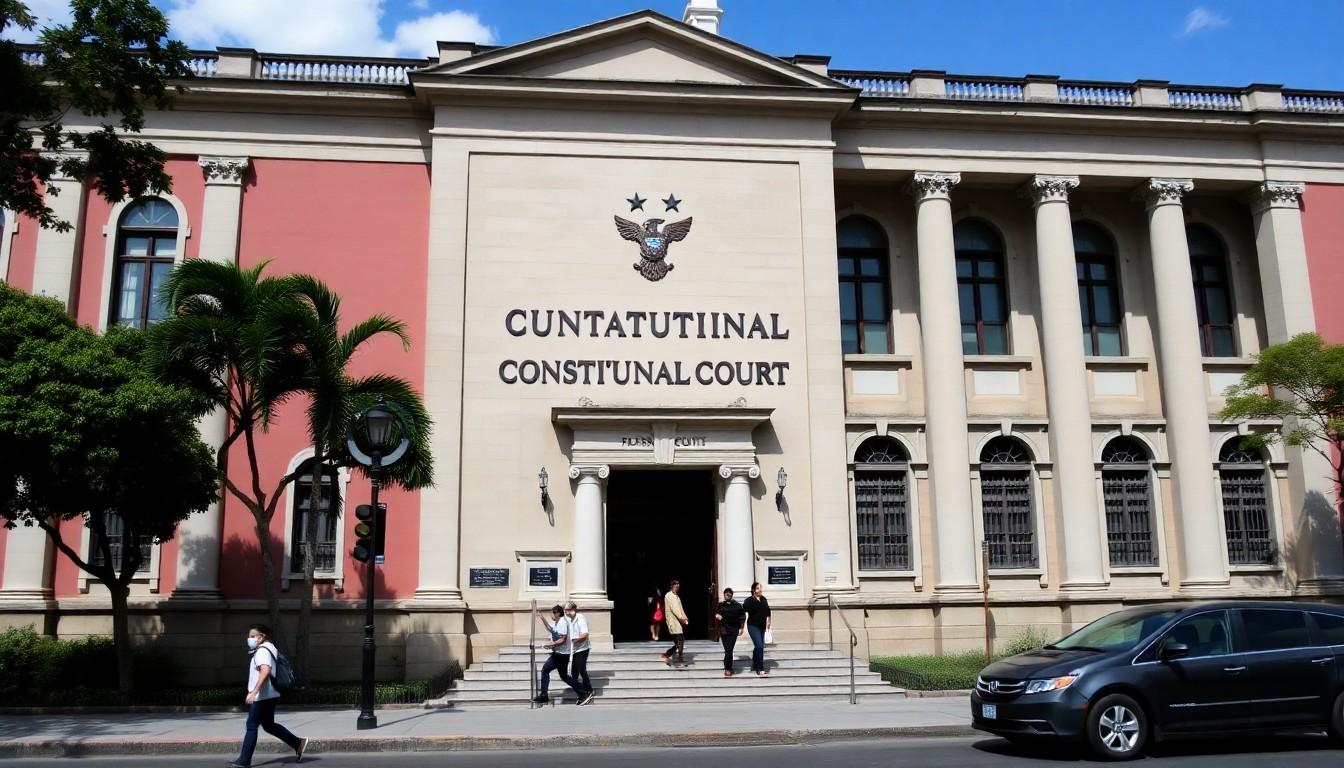
Watchful voices are pushing back in Guatemala as LGBT groups ask the Constitutional Court to strike down the Civil Code’s definition of marriage , and influential evangelical bodies have published a public rejection that mixes theology, legal argument and concern for social order. Here’s what to know and why it matters.
Essential Takeaways
- What’s happening: LGBT petitioners have asked Guatemala’s Constitutional Court to nullify Article 78, which defines marriage as between one man and one woman.
- Who’s responding: Two major evangelical coalitions, COEGUA and FE502, issued an open letter defending the traditional definition while saying they oppose hatred or discrimination.
- Core arguments: Evangelicals frame marriage as a divine, not state-made, institution and say Article 78 implements constitutional family protections.
- Wider context: The move follows regional court-led efforts on same-sex marriage and sits against a recent domestic political backdrop of tougher abortion and family laws.
- Practical note: The Constitutional Court hasn’t set a hearing date, so change , legal or political , could still take many months.
A legal challenge lights a spotlight , and a familiar debate returns
Members of Guatemala’s LGBT community, backed by advocacy groups, have turned to the Constitutional Court to argue that limiting marriage to opposite-sex couples is discriminatory. The petition targets Article 78 of the Civil Code, and the claim is straightforward: preventing same-sex couples from marrying violates equal protection and constitutional guarantees. The move feels immediate and personal for many; people on both sides describe the moment in moral rather than abstract legal terms.
The petition follows similar test-case strategies used across Latin America, where courts have sometimes led recognition of same-sex marriage ahead of parliaments. For campaigners, courts offer a route when legislative majorities seem out of reach. For opponents, court-led change feels like an overstep of democratic process.
Evangelical groups answer with theology and law
Two evangelical networks , the Evangelical Commission of Guatemala (COEGUA) and the Evangelical Forum of Guatemala (FE502) , published an open letter that refuses to conflate pastoral care with capitulation on doctrine. They’re careful: the letter says believers must reject hatred and discrimination because every person is made in God’s image, yet insists that love doesn’t mean abandoning biblical truth.
They also anchor their objections in legal technicalities. Their line is that Article 78 reflects Article 47 of the Constitution, which tasks the state with organising the family on marriage’s legal foundation. To their minds, changing the definition by judicial decree rather than through the legislature would erode legal certainty and the constitutional order.
Politics and culture: why this case matters beyond the courtroom
This challenge doesn’t happen in a vacuum. The recent political climate has leaned socially conservative: past administrations and a then-majority ruling party strengthened penalties on abortion and doubled down on the same-sex marriage ban. Those moves signalled to many that Guatemala remains resistant to rapid social liberalisation.
At the same time, human-rights groups warn that legal restrictions intersect with broader discrimination that affects access to services and safety for LGBT people. That tension , between protection of traditional family structures and protection of individual rights , is now playing out in public statements and, soon, probably in legal briefs.
What to watch next: timing, the court and public reaction
The Constitutional Court hasn’t announced a hearing date, so the matter may simmer for months. When it does consider the petition, judges will weigh constitutional text, precedent and international human-rights norms that other Latin American courts have referenced. Expect amicus briefs, church statements, and civil-society campaigns on both sides.
For advocates who favour change, the court represents a possible shortcut to recognition; for opponents, it’s a reminder that legal institutions should respect the legislative role. Either way, the process will shape public conversation and could influence neighbouring countries watching similar cases.
Practical perspective: what this means for people on the ground
If you’re a same-sex couple in Guatemala, the case offers a sliver of hope but no immediate relief; nothing changes until the court rules. If you’re part of a faith community, the episode demonstrates how churches are trying to balance pastoral care with doctrinal boundaries. And if you’re a policymaker or activist, it’s a reminder that durable change tends to need support across institutions , courts, legislatures and public opinion.
It’s a legal and cultural clash that will unfold slowly, and its outcome will matter for families, for constitutional practice, and for how Guatemala handles rights and religion in public life.
It's a small but significant legal moment that will tell us a lot about where Guatemala heads next.
Source Reference Map
Story idea inspired by: [1]
Sources by paragraph: