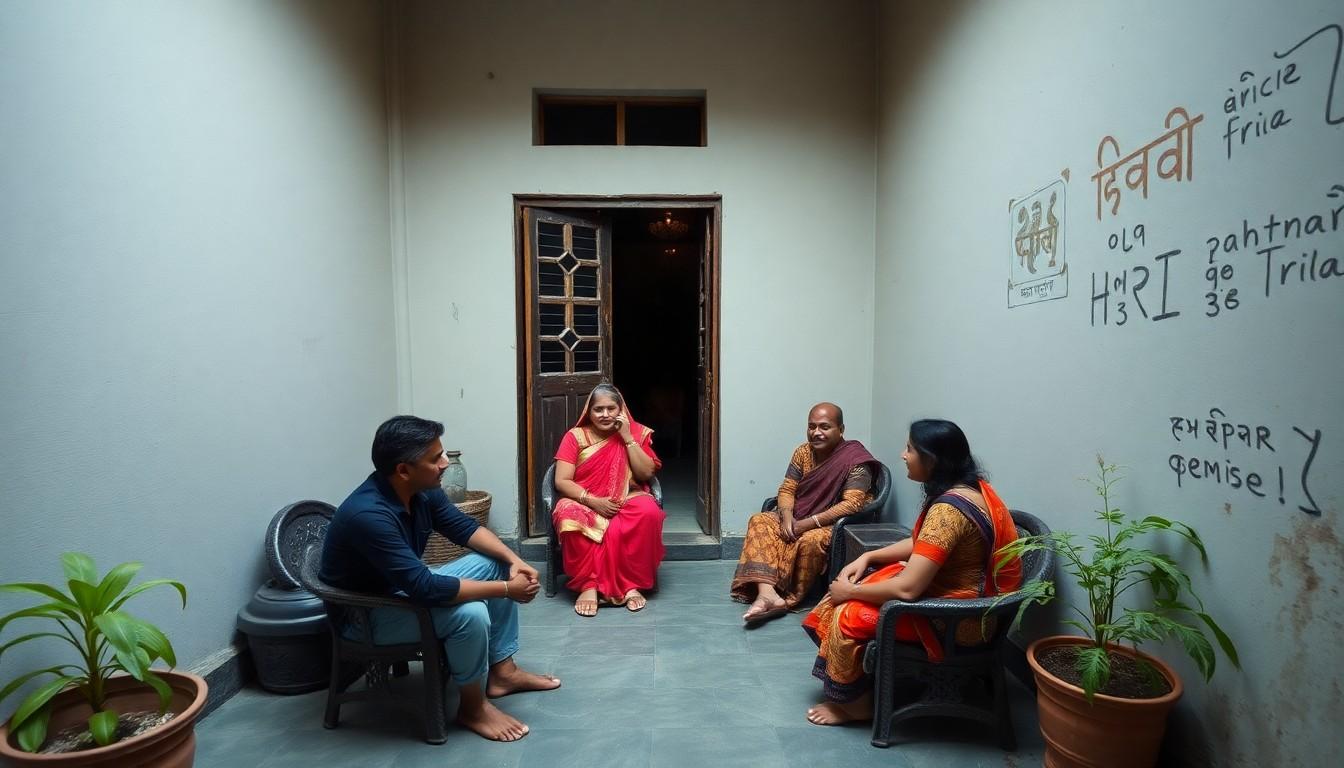
Shoppers and readers are turning to Queer India Now, a lively new anthology edited by Dhamini Ratnam and Dhrubo Jyoti, because it centres ordinary queer lives across India , small towns, metros, religions and professions , and shows why representation beyond coming-out stories actually matters.
Essential Takeaways
- Editors’ aim: A collection of 29 essays, memoirs, poems and illustrations that shift the focus from coming-out angst to everyday queer realities.
- Wide geography: Voices from Telangana, West Bengal, Kashmir, Karnataka, Odisha, Manipur, Nagaland and metro cities , rural textures meet urban scenes.
- Intersectional focus: Pieces explore caste, class, disability, religion and language alongside gender and sexuality; feels rooted and varied.
- Tone and texture: Mixes short vignettes and longer reflections , often candid, occasionally poetic, sometimes angry, often tender.
- Practical feeling: Readers get concrete glimpses , from securing housing to healthcare struggles to forming chosen families.
A lively entrance: real lives, small-town details
The book opens with sharp vignettes that sound like overheard conversations, full of smell, colour and caution. According to the editors, these early pieces deliberately place queer lives where you least expect them , the market, the bus stop, the family home. That matters because mainstream narratives have long been city- and coming-out-centred, and this anthology rebalances that. If you want to feel what queer daily life looks like beyond headlines, this is where the book hooks you.
Intersectionality as the organising idea, not a buzzword
Editors Dhamini Ratnam and Dhrubo Jyoti set the frame by discussing how caste, disability, class and religion intersect with queerness in India. The collection doesn’t treat identity markers in isolation; it shows how they tangle and compound. Several contributors call for policies that actually bridge movements , transgender organisations and disability groups, for instance , because legislative recognition without resources is hollow. The takeaway is clear: representation has to be layered to be useful.
Trans lives, policy and the uneasy present
The anthology arrives at a fraught political moment, with recent amendments to transgender legislation stirring concern about self-identification and criminalising allyship. Many pieces render the consequences in human terms: delays for transgender cards, patchy access to healthcare and the emotional labour of navigating hostile systems. A frank conversation between a health practitioner and a psychotherapist in the book underlines that knowledge alone won’t fix healthcare gaps. The essays remind readers that law and lived reality are often out of sync.
Chosen family, polycules and domestic ordinary pleasures
One of the most affecting threads is about how queer people build homes and kin. From friends pooling resources to buy flats that become safe houses, to explorations of consensual non-monogamy, the book foregrounds domestic life rather than spectacle. These pieces normalise desires that are simple but radical: being a partner’s medical proxy, sharing finances, parenting. It’s an invitation to rethink family as practice, not only biology.
Voices that push back and make you laugh
Not all pieces are solemn. There’s humour and sharpness , a comedian’s take on discrimination reminds us that laughter is a way to demand attention and consent to be heard. Essays examine things like sex in the app age with clarity and bite, and drag culture is celebrated as both stagecraft and everyday visibility. The variety keeps the book from being reductive: it can be political and playful in the same paragraph.
How to read this book and who will love it
Pick it up if you want honest, human snapshots rather than manifesto-style polemics. It’s accessible for readers new to queer perspectives, and it’s probably the broadest island of representation in one volume for India right now. Read slowly to savour the shorter pieces, or go for the longer memoirs to trace a life across pages. If you’re thinking of gifting it, consider pairing it with a placard note about chosen family , the stories inside and the real lives they echo will resonate.
It's a small cultural shift, but one that makes everyday queer lives harder to ignore and easier to recognise.
Source Reference Map
Story idea inspired by: [1]
Sources by paragraph: