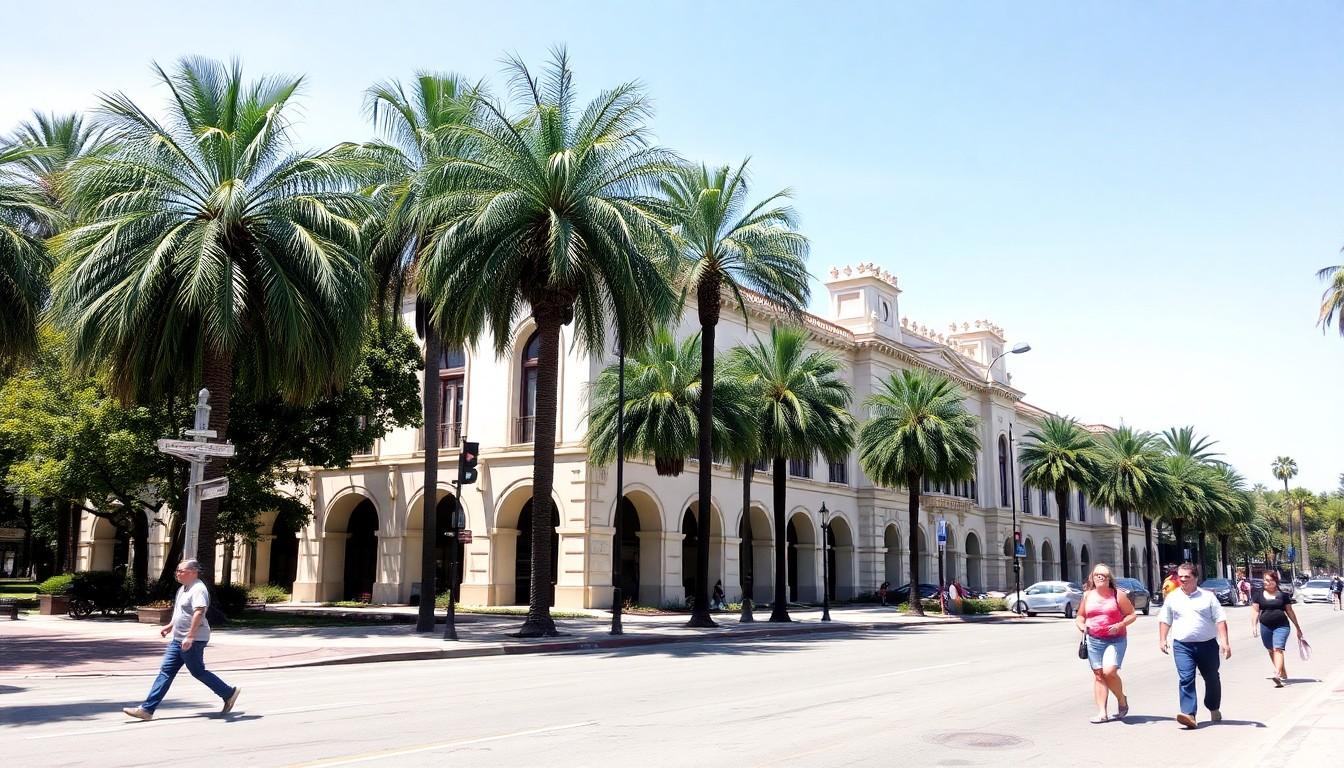
Shoppers are turning to history this Pride , locals are remembering how San Diego Pride grew from clandestine meet-ups and “gay‑ins” into the sprawling July festival it is today, and why that shift still matters for community, inclusion and the politics of celebration.
Essential Takeaways
- Grassroots roots: Pride grew from 1970s DIY organising at SDSU and neighbourhood meet‑ups, not corporate planning.
- Early actions felt bold: Activists held “gay‑ins” in Balboa Park and marched without permits in 1974, creating visible, noisy community.
- 1990 was pivotal: Heavy rain and competing calendars pushed organisers to move Pride from June to July for safety and space.
- Voices of colour shaped Pride: Groups like LAGADU and GLASS pushed inclusion in the early ’90s, changing who stood centre stage.
- Community still matters: Pride’s survival and relevance depend on ongoing critique, local leadership and attention to intersectional issues.
Where Pride really began , not with floats but with living rooms and phone lists
The earliest Pride in San Diego didn’t arrive with sponsorship banners; it began in homes and on a shared switchboard that let queer people find one another without fear. According to local archives and organisers, activists set up drop‑ins and small social centres, a soft, protective network that felt warm and intimate , a phone call away when you needed company or help. These modest roots explain why the event maintained a community‑first feel for decades, even as it grew in scale and spectacle. If you want to feel the original spirit, seek out archive talks or local oral histories that capture those small‑room planning sessions.
1974 and the non‑permitted march , making space in public, on purpose
Before permits and parade marshals, people walked along sidewalks from Hillcrest toward Balboa Park, refusing to be invisible. Those 1974 marches were essentially sanctioned civil disobedience , a series of “gay‑ins” and public gatherings that declared, loudly and proudly, we belong here. These moments are charged with a tactile sense of courage: the chatter of a crowd, the nervous excitement of showing up, the smell of sun and pamphlets. It’s a reminder that public visibility was hard‑won and often risky, and that today’s pomp traces straight back to those first determined footsteps.
Why Pride moved to July , a downpour, calendar politics and a new strategy
1990 is one of those pivot years organisers still talk about. A torrential downpour nearly drowned the June event and made planners reassess practicality , rain in May and June is not unheard of in San Diego. At the same time, Prides across California were crowding June and competing for attention. Moving to July offered clearer weather and breathing room on the calendar, letting San Diego own a distinct weekend and grow its audience. The change also coincided with board diversification and decisions that nudged Pride toward broader representation, proving logistics and politics often arrive hand in hand.
People of colour reshaped Pride , from marginalised to central voices
By the early 1990s organisers and community groups of colour were no longer peripheral; they demanded space, recognition and leadership. Black‑led groups such as LAGADU and arts and activist figures like Cynthia Lawrence‑Wallace and Fundi were named Grand Marshals, and activists like Marti Mackey were celebrated for their organizing. Yet parallel events such as Ebony Pride or later San Diego Black Pride also emerged when mainstream Pride didn’t fully reflect every community. That tension produced creative, complementary spaces that doubled the city’s queer cultural life rather than detracting from it.
What businesses and allies should remember when they celebrate
Pride is part party, part protest, and part public service; treating it only as a marketing opportunity flattens a complicated history. Community members say the healthiest Prides are those that listen: sponsor local groups, fund grassroots programmes, and support causes around housing, policing and health that queer communities still face. Practically, if you’re a business getting involved, pick consistent partners, commit beyond one month, and remember that inclusion needs more than logos , it needs resources, representation and respect.
It's a small change in perspective that makes every parade float mean something more , show up, listen and keep the roots alive.
Source Reference Map
Story idea inspired by: [1]
Sources by paragraph: