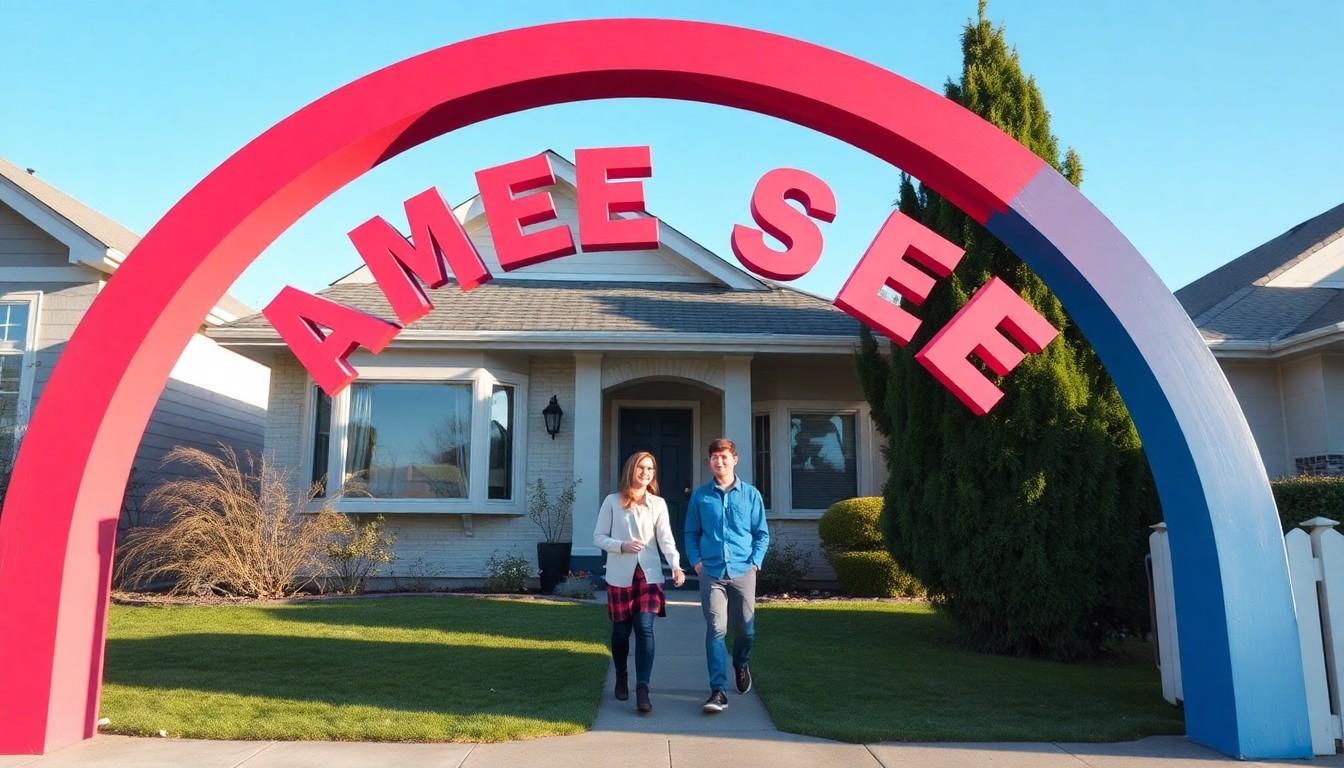
Shoppers and neighbours have been stopping to stare as a straight ally couple in Detroit went maximalist with a Pride display , so eye-catching it drew a surprise visit from pro‑LGBTQ governor Wes Moore, underscoring how visible allyship can fuel community support and political conversation.
Essential Takeaways
- Massive visual: A 40‑foot rainbow floral arch and a trans‑inclusive Progress Pride flag cover the front of the couple’s historic Detroit home, creating a bold, joyful statement.
- Political recognition: Maryland Gov. Wes Moore stopped by while in town, praising the display and noting he wanted something similar in Maryland.
- Allyship motive: The couple say they decorate in gratitude for friends in the queer community who supported them during hard times, and to push back against anti‑LGBTQ legislation.
- Seasonal tradition: Decorations go up over Memorial Day weekend and usually come down around the Fourth of July, though the hosts stress Pride is a year‑round effort.
- Community pushback: The display has prompted both warm reactions and a few drive‑by hecklers, highlighting that public allyship still sparks debate.
A showstopper on the street , and a governor had to see it
The first thing people notice is the scale: a 40‑foot arch of rainbow flowers spanning the house entrance, big foam letters spelling joyful words, and a Progress Pride flag waving above the porch. The colour and texture are designed to stop you in your tracks , and it did, for more than neighbours. Maryland governor Wes Moore pulled up, stepped out of his car and beamed at the sight, saying he loved it and wanted one back home. According to local reporting, the visit felt spontaneous and warm, the sort of human moment that turns an Instagram post into a small piece of civic theatre.
The couple, Kris Cravens‑Hutton and Dave Hutton, told reporters they’ve leaned into ostentatious displays in recent years as a form of gratitude and resistance. They framed the decorations as repayment to people who were there for them when they needed friends, a reminder that allyship can be both decorative and political. It’s a nice example of how a personal tradition can become a public statement.
Why maximalist allyship resonates right now
Decorations aren’t just about looks , they’re a response to a political climate. The couple explained they ramped up their display because of the renewed energy behind anti‑LGBTQ bills across the country and a feeling that Pride needs to be louder than ever. That mirrors a larger shift in communities where straight allies are using visible gestures to normalise support and spark conversation.
There’s precedent for this kind of civic symbolism: governors and state offices have been marking Pride months with proclamations and events, and major Pride parades continue to draw crowds, as seen in Motor City Pride coverage. When a display is this big, it becomes a talking point that connects local action to national debates about rights and representation.
Decorations as conversation starters , even with hecklers
Not everyone loves a giant rainbow on their street. The couple reported a drive‑by heckler demanded they take the flag down, overlooking the rest of the display. The homeowners met that with a mix of humour and fact , reminding critics that LGBTQ people have served in the military and in public life for generations. It’s a reminder that visibility invites reaction, and sometimes a chance to educate.
For allies thinking of doing something similar, it’s worth considering display durability, neighbour relations and safety. Large props need secure anchoring, permission where appropriate for historic homes, and a clear plan for taking items down after a season. Expect compliments, and expect questions , if you’re ready to answer, the display does more than decorate, it starts a dialogue.
Practical tips if you want to go big on Pride displays
If you’re inspired, start small and scale up: choose one prominent element , a flag, a floral arch or a message board , and build from there. Use weatherproof materials, especially in places with summer storms, and think about community etiquette; let neighbours know your plans so the surprise is joyful, not annoying. Consider seasonal timing: the couple typically erect their decorations over Memorial Day and take them down around the Fourth of July, but they emphasise year‑round support matters more than any single month.
Finally, pair spectacle with substance. The Cravens‑Huttons speak about electing progressive leaders and engaging in ongoing advocacy; decoration plus action keeps the momentum from being just performative.
What this moment means for public allyship
Seeing a state governor step out of his car to take photos and praise a neighbour’s Pride tableau tells you something: visible allyship can attract attention from the highest levels and reinforce community bonds. It’s a little joyful, a bit theatrical, and , when paired with real political engagement , a useful civic tool.
It’s a small, colourful way to remind passers‑by that Pride isn’t only for June.
Source Reference Map
Story idea inspired by: [1]
Sources by paragraph: