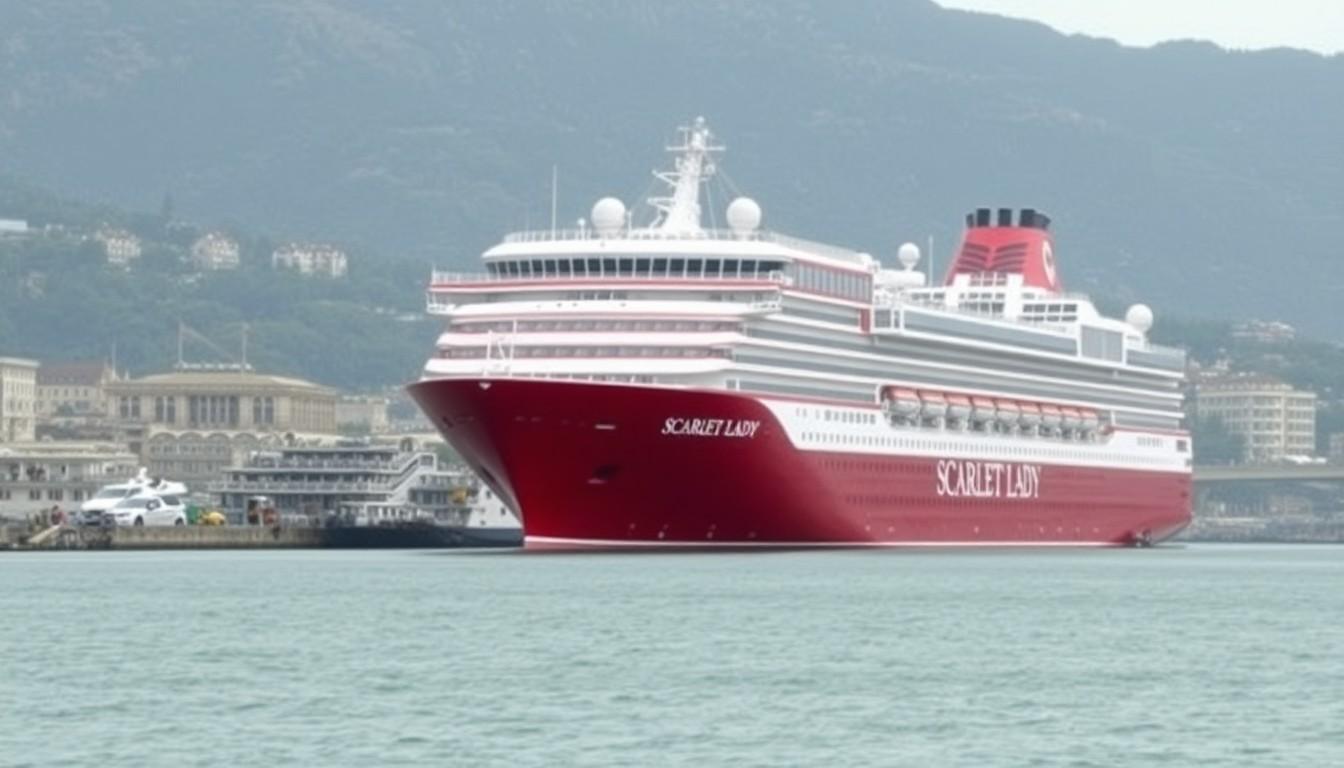
Shoppers of headlines and holidaymakers alike have been watching as a Mediterranean cruise carrying roughly 2,000 passengers on an LGBTQ-themed voyage was refused entry by Türkiye and then Egypt, a rare diplomatic and cultural clash that matters to travellers, tour operators and anyone wondering where cultural norms meet cruise itineraries.
Essential Takeaways
- Denied calls: Turkish authorities refused the ship permission to dock in Kuşadası and Istanbul for reasons tied to “moral” and “family values.”
- Reroute stalled: After being rerouted to Alexandria, Egyptian authorities also denied entry; the organiser said this was unexpected.
- Passenger profile: The voyage was an LGBTQ-themed charter with primarily gay men aboard, which promoters say sailed similar routes previously without incident.
- Practical impact: Passengers faced itinerary changes and uncertainty; operators are seeking alternative ports and refunds or rebook options.
- Broader meaning: The episode highlights growing friction between liberal Western travel offerings and conservative social norms in some Mediterranean ports.
What actually happened , and what passengers felt
Passengers on the Scarlet Lady expected sunlit ports, market strolls and organised shore events, but instead got confusion and disappointment when customs officials in Türkiye declined the scheduled July calls. The atmosphere turned from holiday buzz to frustrated disbelief, with guests suddenly facing itinerary changes and last-minute logistics.
According to reporting by The Guardian and travel outlets, Turkish authorities said the cruise conflicted with local social norms, citing moral and family values. The ship’s operator appealed, then re-routed towards Alexandria, only to be denied entry by Egyptian authorities a few days later. For travellers this is a reminder that a sunny Mediterranean port can still be governed by firmly local cultural rules.
Why ports refused a gay-themed cruise , the cultural and political context
This isn’t simply about a cruise line and a party ship. Countries in the region have differing relationships with LGBT visibility, and national authorities sometimes make decisions aimed at preserving public morals or avoiding domestic controversy. Coverage in national and international media framed the decisions as consistent with prevailing conservative attitudes in parts of the region.
Travel professionals note that while same-sex activity may not be criminalised everywhere, public displays and themed events can trigger official pushback. For organisers and passengers, that gap between expectations and on-the-ground reality is a practical risk that’s now been brought into sharp relief.
What this means for planners and operators
If you’re booking a themed cruise, it’s worth asking a few extra questions: who owns the berth contracts, what permissions have been secured, and does the itinerary include backup ports? Cruise operators are increasingly aware they need contingency plans, from alternative stops to clear refund policies and on-board communications for inconvenienced guests.
Agents suggest confirming port approvals in writing and checking whether shore events require additional permits. For groups, a legal or diplomatic advisory can sometimes head off problems before embarkation. It’s not glamorous, but a little paperwork can save a lot of disappointment.
How the episode fits broader political trends
Commentators have positioned the incident within larger debates about migration, identity politics and how liberal Western attitudes meet conservative societies abroad. Some see it as an example of cultural friction at sea; others point out how domestic political considerations in host countries shape such decisions.
For travel brands this creates reputational and commercial questions: how to balance inclusive marketing with realistic local risk assessments. Passengers who expect seamless access to every port might now think twice about themed voyages that spotlight contested identities.
Practical tips for travellers booking themed or niche cruises
If you’re tempted by a themed cruise, keep this checklist in mind: verify port approvals, read cancellation and reroute policies, pack for uncertainty, and follow operator updates closely. Buy travel insurance that covers itinerary changes and check whether the insurer recognises political or moral denials as covered events.
And if you’re organising a group trip, build in flexible shore plans and a communication chain so everyone knows where to meet, what’s happening and how refunds or substitutions will work.
It’s a small change in planning that can make every voyage far less stressful.
Source Reference Map
Story idea inspired by: [1]
Sources by paragraph: