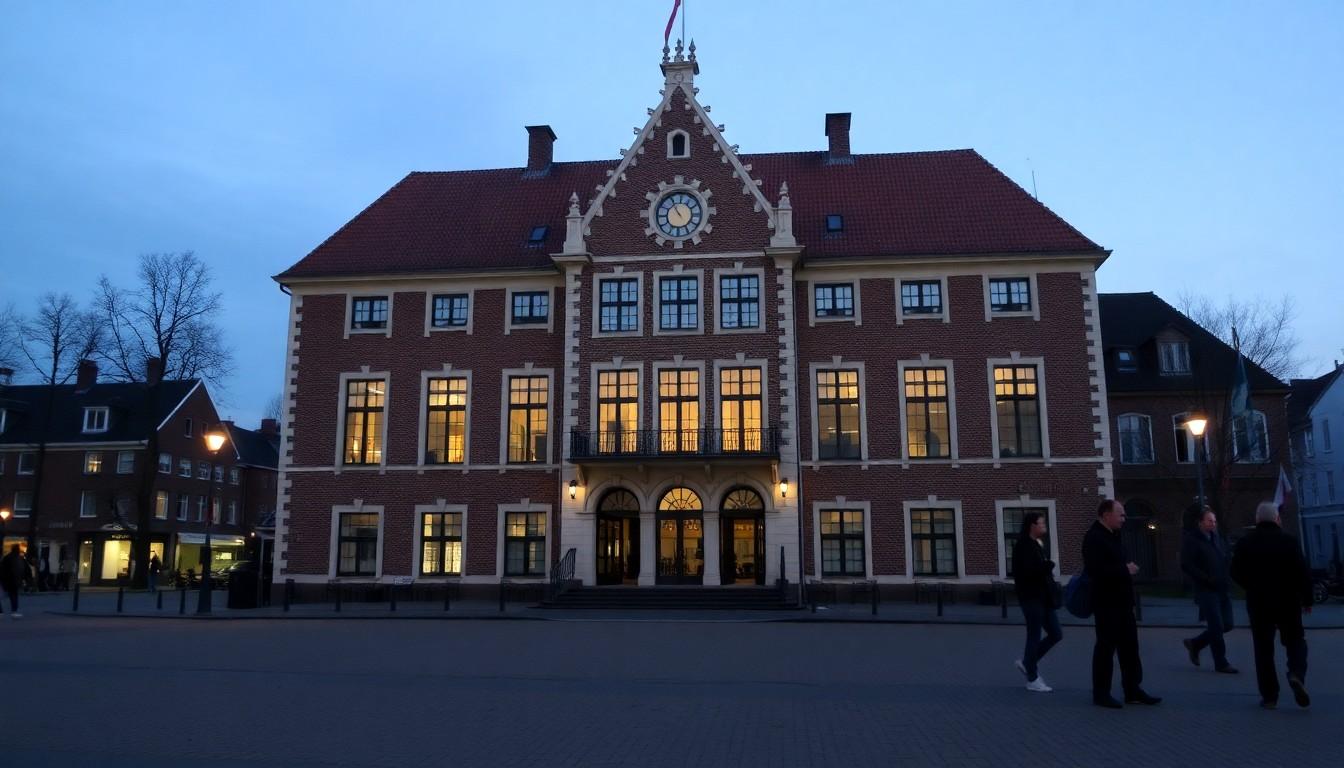
Shoppers and residents turned out in force as dozens of rainbow flags bloomed outside Oldebroek’s town hall , a visual pushback after the new council announced it would stop flying the Pride flag and roll out other anti-LGBTQI+ measures, a move that has stirred national attention and strong local emotion.
Essential Takeaways
- Large turnout: Around 600 people gathered outside Oldebroek city hall, creating a vivid, noisy show of support for LGBTQI+ residents.
- New coalition policy: A coalition including the SGP and local parties AVO and ABO announced the rainbow flag will no longer be flown on International Coming-Out Day.
- Local organisers: The protest was organised by resident Kjeld Mooi, who told NOS many people feel unsafe and need municipal backing.
- Community reactions: Local papers, regional broadcasters and national outlets reported a mix of anger, calls for counter-demonstrations and solidarity campaigns.
- Practical impact: The dispute centres on symbolic visibility , whether municipal flag-raising signals inclusion or constitutes political provocation.
Why the protest felt immediate and human
There’s a tactile energy to hundreds of people converging on a small-town square, flags fluttering and voices raised, and that’s what happened in Oldebroek. Omroep Gelderland estimated roughly 600 people showed up to confront the council’s new policy, and that crowd size is significant for a town of about 25,000. The sight of so many rainbow colours outside the municipal building sent a clear message: residents see this as more than a bureaucratic change.
Regional broadcasters and local reporting made the scene feel live and local, not just a national headline. For anyone who’s ever watched a community rally, the mix of indignation and warmth , hugs, banners, people swapping stories , is familiar. It’s an argument about safety and belonging as much as about flags.
What the new council actually decided
The policy comes from a coalition led by the orthodox Protestant SGP and joined by local parties AVO and ABO. Their agreement described the rainbow flag as “un-Christian” and said it would no longer fly on International Coming-Out Day. That decision sits at the thorny intersection of municipal symbolism and party values.
Local outlets reported the change alongside other measures perceived as restrictive towards LGBTQI+ visibility, which is why residents reacted so strongly. When a council withdraws an emblem of inclusion, it’s rarely read as neutral , people interpret it as a signal about who belongs and who doesn’t.
Who organised the response and what they said
Local resident Kjeld Mooi organised the demonstration, telling NOS that many people in town feel unsafe and that the municipality should be on their side. That framing , safety, recognition, municipal responsibility , made the rally about everyday lives rather than abstract politics.
Other local media noted calls for counter-demonstrations and vocal support from neighbourhood groups. That mix of protest and community organising is typical when symbolic policy shifts hit close to home: you get both placards and practical planning, people wanting to be seen and heard.
How the wider community reacted , voices from local media
Local newspapers and regional outlets carried the story with a variety of tones. Some reports highlighted anger and dismay; others flagged how the decision has become fodder for national debate about pluralism in small towns. One Huis-aan-Huis piece covered how residents in nearby Nunspeet reacted with disbelief, while other coverage chronicled calls for a counter-gathering from conservative voices.
The result is a patchwork reaction: solidarity marches, op-eds, and an ongoing conversation about whether municipal symbol choices should reflect the views of a council or the diversity of the town. It’s a debate that’s playing out in other Dutch municipalities too.
What this means for other towns and for residents
Symbolic decisions like flag policies matter because they shape everyday atmospheres. If a municipality stops displaying Pride symbols, LGBTQI+ residents and allies read that as a withdrawal of public support. Conversely, visible backing can reduce anxiety and make people feel safer stepping outside their homes.
Practical steps for residents: stay informed via local media, join community groups that promote dialogue, and if you feel strongly, attend council meetings or civic consultations. For councils, a quick win is clearer communication about motives and options , for instance, designating neutral days for municipal flags while finding other ways to show inclusion.
It's a small change that can make every civic gesture feel heavier; participation and conversation are the ways to change that weight.
Source Reference Map
Story idea inspired by: [1]
Sources by paragraph: