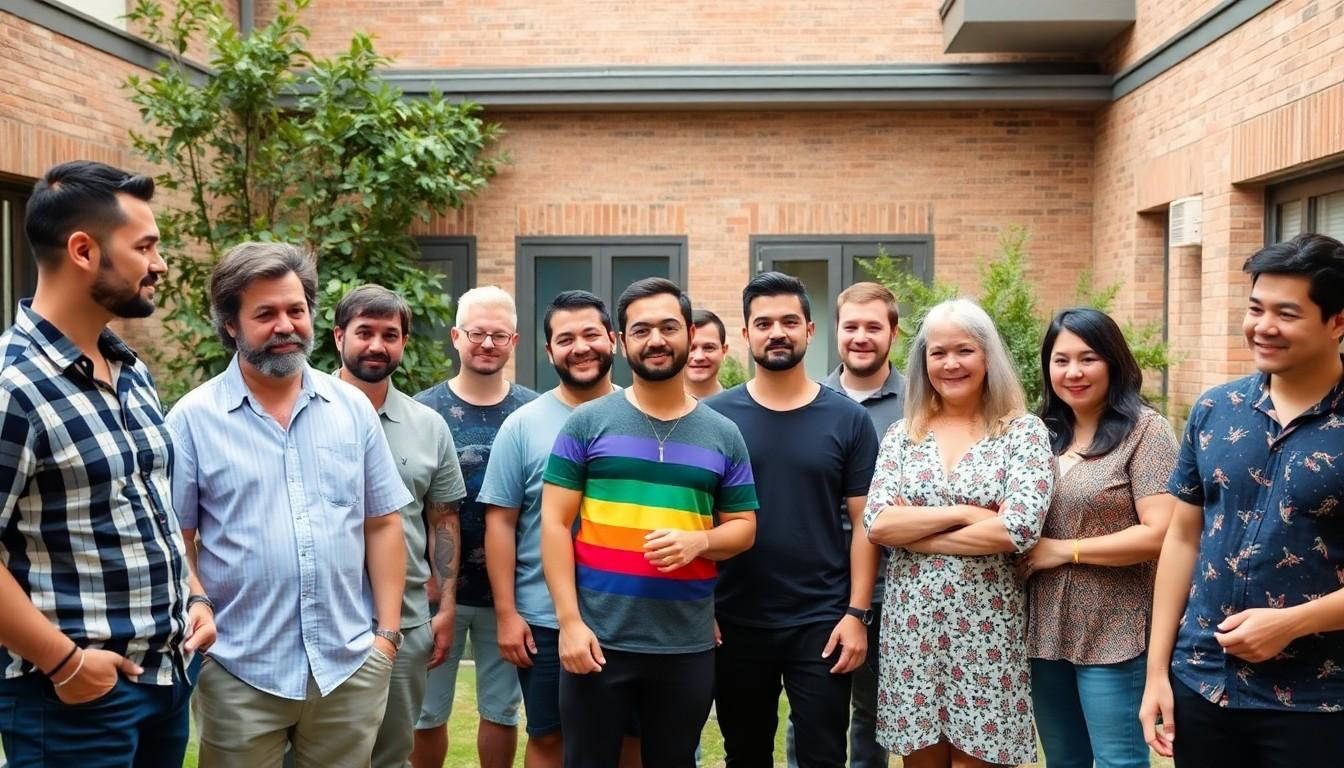
Shoppers are turning to more affirming addiction care as LGBTQIA+ people seek treatment that actually understands them , who they are, what they’ve lived through, and why standard programmes often fall short. This guide explains why personalised, identity‑affirming rehab matters, what it looks like in practice, and practical questions to ask when choosing a programme.
Essential Takeaways
- Higher risk, documented: Sexual and gender minorities face higher rates of substance use and often enter treatment with more severe needs.
- Minority stress matters: Chronic stigma, discrimination and rejection drive substance use as a coping strategy.
- Affirming care is concrete: Inclusive intake forms, pronoun use, gender‑neutral spaces and LGBTQIA+ peer groups make a measurable difference.
- Dual treatment improves recovery: Treating co‑occurring mental health conditions alongside addiction yields better outcomes.
- Ask the right questions: Experience with LGBTQIA+ patients, staff training, gender‑inclusive policies and trauma‑informed therapies are key selection criteria.
Why LGBTQIA+ patients show higher rates of substance use , and why that’s predictable
Research has consistently found greater prevalence of substance misuse among sexual and gender minorities, not because of moral failings but because of long‑term stressors unique to their lives. Studies outline how repeated experiences of stigma, discrimination and social rejection accumulate over years and often begin in adolescence. That chronic burden, researchers say, makes substances an understandable tool to cope with anxiety, pain and isolation. For anyone choosing a treatment path, the takeaway is clear: address the context, not just the substance.
What “affirming care” actually looks like in a treatment centre
Affirming care is more than a poster on the wall , it’s daily practice. Clinically competent programmes use intake forms that invite chosen names and pronouns, house patients in ways that respect gender identity, and offer gender‑neutral facilities. Clinicians receive ongoing cultural competency training, and there are LGBTQIA+‑specific therapy groups and peer supports so patients can speak plainly about identity‑related stress. Visual cues of inclusion , diverse imagery, explicit policies , also help people feel safe enough to engage.
The co‑occurring mental health piece: why integrated care matters
LGBTQIA+ patients are more likely than their heterosexual, cisgender peers to present with anxiety, depression, suicidal thoughts and other psychiatric issues alongside addiction. Evidence suggests treating addiction and mental health together , not one after the other , improves engagement and long‑term outcomes. So when you evaluate programmes, prioritise ones that offer integrated dual‑diagnosis services and trauma‑informed therapies like CBT or DBT tailored to identity‑related wounds.
Trans and nonbinary patients need targeted attention , what to expect
Transgender and nonbinary people often face the greatest mismatch with standard programmes: misgendering, binary housing rules and staff who aren’t fluent in trans experiences can re‑traumatise. Good programmes consistently use correct pronouns and chosen names, ensure housing and group spaces reflect gender identity, and coordinate gender‑affirming medical care where relevant. That kind of specificity transforms a place from merely tolerable to genuinely healing.
Practical checklist: questions to ask before committing to a rehab
Not every centre that claims to be “LGBTQ‑friendly” has the same depth of practice. Ask whether staff have documented experience treating LGBTQIA+ people, whether there are identity‑specific therapy groups, and how intake, housing and pronoun use are handled. Check for ongoing cultural competency training, available trauma‑informed modalities, and integrated mental health services. Also verify insurance coverage , many evidence‑based programmes are covered under parity rules, but specifics vary.
It's a small change that can make every step of recovery feel safer and more sustainable for LGBTQIA+ people.
Source Reference Map
Story idea inspired by: [1]
Sources by paragraph: