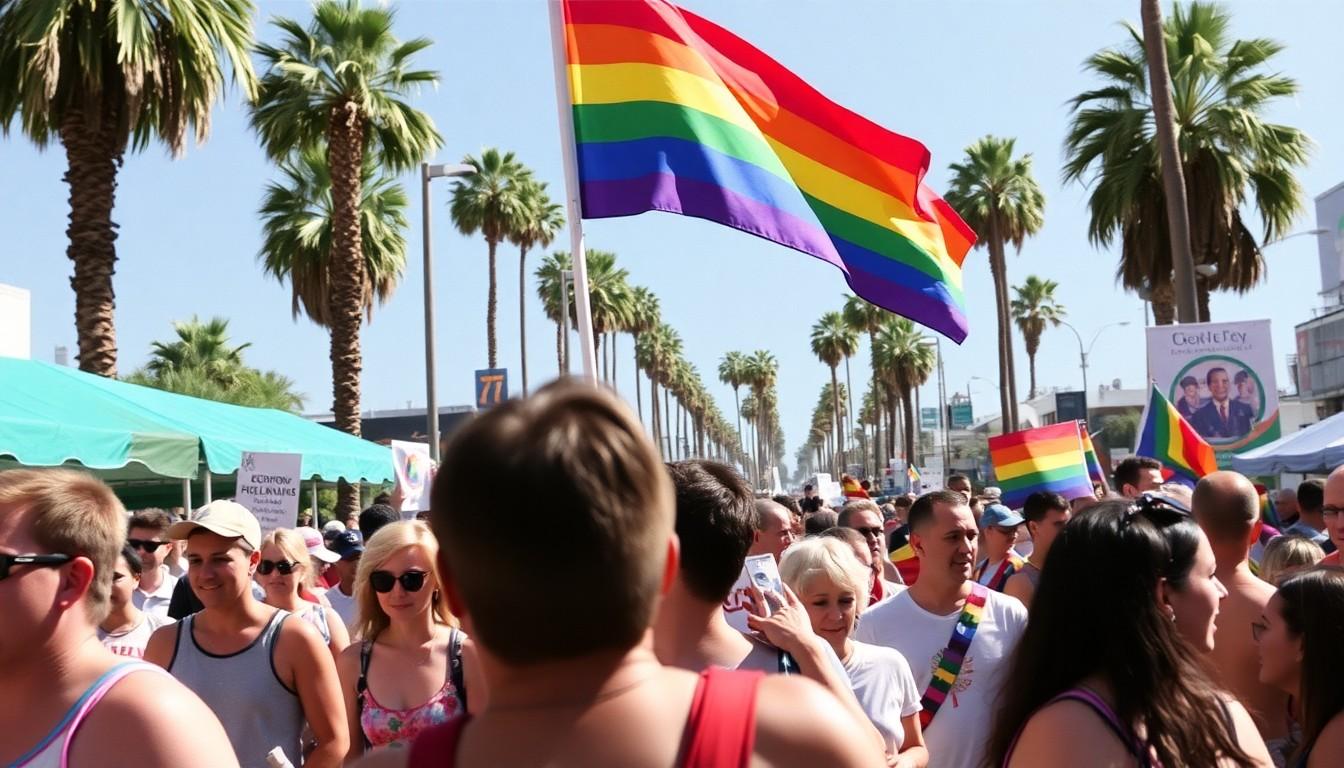
Shoppers and travellers are watching as two Mediterranean ports recently turned away a popular LGBTQ+ cruise, spotlighting how travel, politics and pride collide , who was barred, why it matters, and what gay travellers should know before booking trips to countries with unclear attitudes.
Essential Takeaways
- Two refusals: Turkish and Egyptian authorities denied entry to an LGBTQ+ charter this week, forcing itinerary changes and publicity.
- Visibility matters: Pride symbols and public celebrations are central to recent disputes, and organisations like Outright International are responding with solidarity.
- Travel risk cues: Ports and local laws can change suddenly; travellers should expect possible reroutes and check entry rules.
- Practical prep: Ask cruise lines about contingency plans, local partners, and refund policies before you book.
- Emotional toll: Passengers report feeling rejected and unsafe, underlining the human cost beyond logistics.
What happened at the docks , the short version
A charter cruise popular with LGBTQ+ passengers was refused docking by Turkish authorities and, days later, by Egyptian officials, forcing the ship to alter its planned stops. The scene was vivid , a ship full of people expecting to disembark and explore, then being turned away , and it hit headlines across major outlets. According to reporting, port authorities cited local sensitivities and security concerns when denying access, leaving passengers to regroup and replan shore days. For travellers, that raw sense of rejection matters almost as much as the itinerary disruption.
Why ports can say no , politics, law and optics
Governments and port authorities can bar ships for a range of reasons from security threats to public order. In recent cases, officials framed decisions around cultural norms and public sentiment, not individual behaviour. Cruise companies frequently negotiate with local authorities in advance, but political pressure and sudden policy shifts can override earlier approvals. That means even carefully planned LGBTQ+ sailings can face abrupt cancellations at certain destinations.
The wider ripple , visibility, sport and diplomacy
This story dovetails with other high-visibility moments, like international sporting events where Pride visibility was contested. Activist groups and NGOs underline that visibility can be a lifeline for marginalised people, and recent responses included distributing Pride flags and public statements of solidarity. Those actions matter , seeing a flag or a friendly welcome can change lives , but they also escalate diplomatic tensions when host nations view them as provocative. The result is a tug-of-war between visibility and access that plays out on ships, in stadiums, and in diplomatic cables.
How cruise lines and passengers are responding
Cruise operators are increasingly explicit about alternate plans and insurance for politically sensitive itineraries. Some charter companies will reroute to more welcoming ports or offer on-board programming instead of shore excursions. Passengers report mixed reactions: frustration and sadness at rejected stops, but also gratitude for on-board community events that soften the blow. When you book, ask about contingency routes, credit or refund policies, and how the line protects passenger safety and dignity if a port refuses entry.
Practical tips for LGBTQ+ travellers planning future trips
Do your homework: check destination laws and recent headlines, and ask your cruise company specific questions about port approvals and contingency plans. Carry documentation for entry rules and keep a low profile in places with hostile laws if you value privacy. Consider travel insurance that covers itinerary changes, and pick itineraries with multiple port options. And finally, travel with community , sailing with an LGBTQ+ charter offers support, but it can also attract attention; weigh the trade-offs for each destination.
It's a small change that can make every journey safer and more enjoyable.
Source Reference Map
Story idea inspired by: [1]
Sources by paragraph: