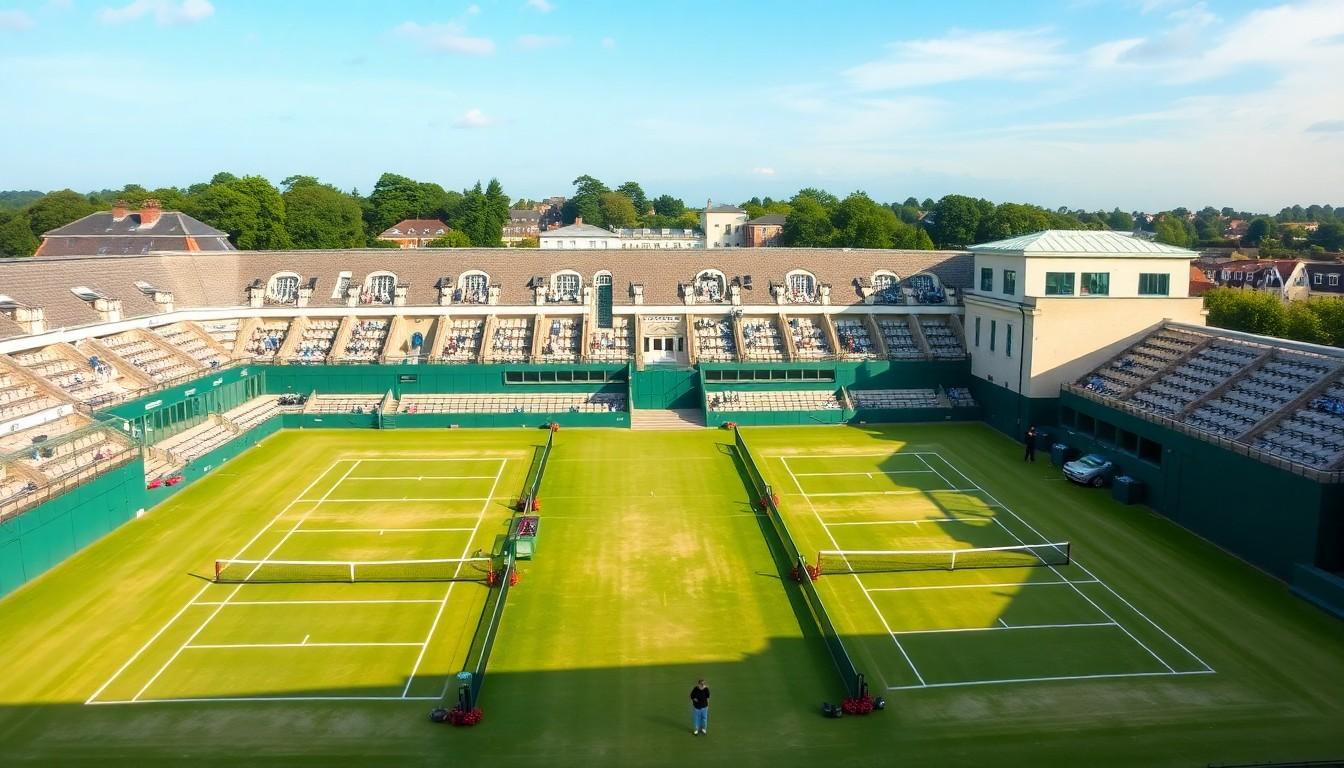
Shoppers are heading to Wimbledon Park for something unexpected: an electropop theatre piece staged around the fringes of the tennis festival that digs into LGBTQ+ invisibility in the sport, bringing Victorian origins and modern testimony together in a compact, sun‑lit performance.
Essential Takeaways
- Setting: Performed at tennis clubs and courts, the show uses live tennis as a visual and rhythmic backdrop, creating a sporty, sun-warm atmosphere.
- Style: Electropop score and filmed segments weave with live singing, giving the piece a sleek, synthetic sound and a theatrical pulse.
- Story: Focuses on Harry Gem and Augurio Perera , historical figures linked to lawn tennis , to explore possible queer histories in Victorian England.
- Impact: Modern witness statements from professionals underline the point: visibility for gay players in tennis remains tiny today.
- Practical note: Outdoor staging and repeated clocked pauses mean performances can feel long in hot weather; bring sun protection and patience.
A bright, buzzy idea staged where the game actually lives
Fairlight feels like a piece that belongs where it happens, with live courts and players stitched into the action so the sport never drifts into metaphor only. There’s a tangible warmth , the sun on your shoulders, the occasional ball flying near the audience , that keeps the piece both playful and a little risky. According to reviews, the production tours tennis clubs across England and makes a deliberate choice to perform outside the mainstream, which sharpens its argument about visibility.
That physical closeness to the game gives the creative conceit credence: tennis as a constant across eras. The show’s electropop soundtrack is an intentionally modern counterpoint to the Victorian backbone of the story, and that clash of textures is one of the production’s strengths.
History reimagined: how two Victorian figures become a queer lens
At the heart of Fairlight are Harry Gem and Augurio Perera, who are historically associated with bringing lawn tennis to public attention in Britain. The production leans into the ambiguity of their relationship , there’s no smoking-gun evidence either way , and uses that uncertainty to ask how histories are told when queer lives are erased.
The piece doesn’t pretend to be a documentary; rather it offers an imaginative reconstruction that prompts questions about Victorian attitudes to sexuality and the ways those attitudes have shadowed sport ever since. That choice makes the show feel thoughtful rather than didactic, although some audience members may wish for a more physically intimate staging between the two leads.
Electropop, film and testimony , a mixed-media strategy
Musically, Fairlight favours a sharp, synthetic soundscape by Michael Wolters and Paul Norman that suits the show’s hybrid identity. Songs are performed by the central actors and drop into filmed segments and on‑court play. It’s clever: history sings, present-day players speak, and the tennis court hums along.
The production also introduces a stop clock to mimic match structure, pausing the narrative in service of the theatrical device. Critics note these interruptions initially add structure but can become repetitive, especially when they turn into sing-along moments that don’t always advance the story. Still, the film inserts and live tennis sequences keep the pace varied.
Real voices make the point sharp and human
One of the production’s most affecting choices is to include witness statements from contemporary tennis professionals. Those testimonies bring immediacy and real-world stakes: recent figures show only a tiny handful of openly gay players among thousands, and that statistic cuts through the theatricality.
This documentary element balances the imagined Victorian scenes and gives audiences genuine context about homophobia in the modern game. It’s a useful reminder that the past the show explores isn’t simply quaint , it resonates with present inequalities.
Practical tips if you go: timings, weather and where to sit
Because Fairlight is staged outdoors and borrows the rhythms of tennis, bring sun protection , hat, sunscreen and a refillable water bottle , and expect some pauses that resemble the breaks in a match. If you like proximity, try to book seats near the sidelines where the occasional stray ball adds to the sense of jeopardy; if heat or interruption bothers you, choose an early or later performance.
For those curious about the creative process, producers and the creative team are listed in the programme, and interviews with the writers and directors give extra background on how the show was put together.
It's a small change of scene that makes a familiar sport feel newly political and oddly intimate.
Source Reference Map
Story idea inspired by: [1]
Sources by paragraph: