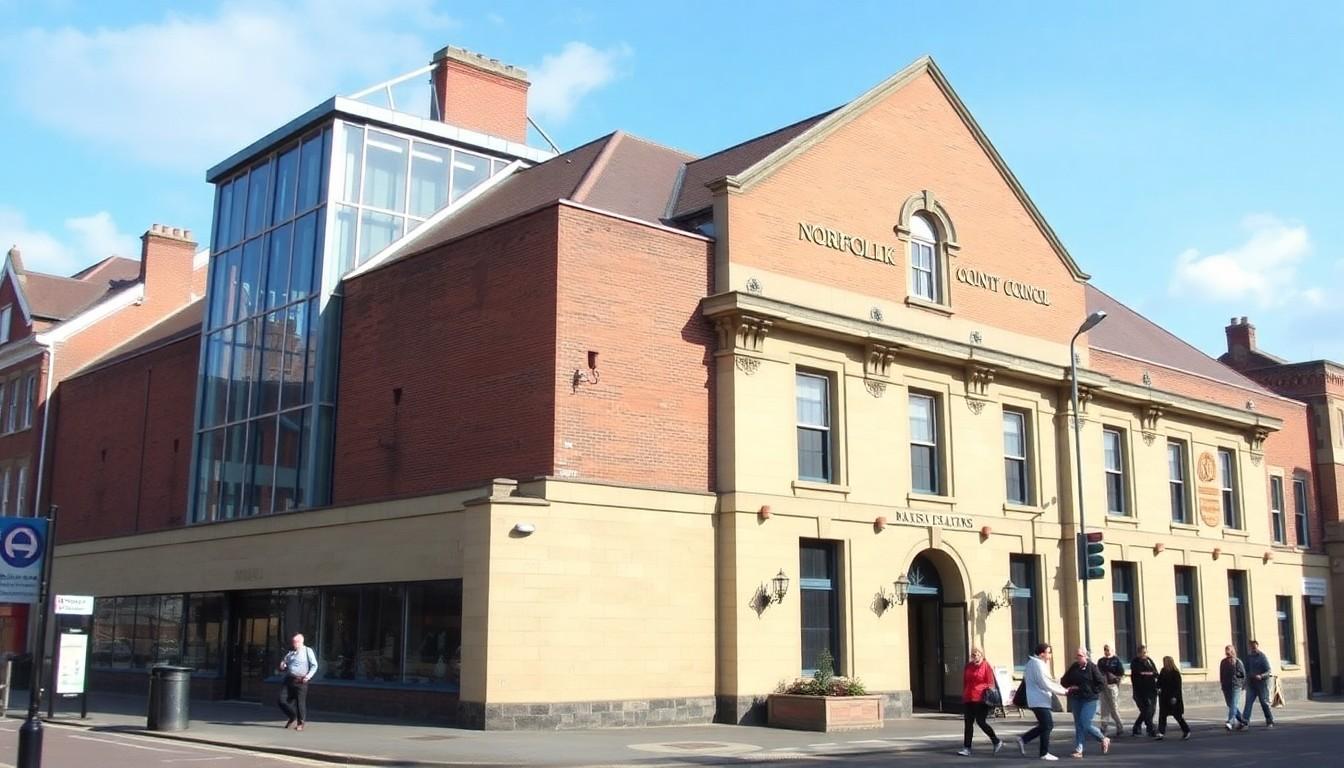
Shoppers of civic debate have noticed a new flashpoint: Norfolk County Council has told staff not to stage or exhibit political messaging in any of its 47 libraries, a decision that has sparked protests, praise and lively national discussion about public space, children and neutrality. Here’s what happened, who said what, and what it means for parents and library users.
Essential Takeaways
- What changed: Norfolk’s new county administration issued a directive to stop displays or events that promote political messaging in county libraries, affecting exhibitions, badges and flags.
- Who reacted: Reform councillors framed the move as protecting neutral, taxpayer-funded spaces; Labour and Liberal Democrat figures called it erasure of LGBT+ visibility and an attack on inclusivity.
- How libraries responded: Staff and some visitors staged quiet protests, using badges and rainbow icons on screens after a separate decision limited flying the Progress Pride flag.
- Practical impact: Day-to-day library services continue, but themed displays and events with political or campaigning elements will be reviewed; storytimes and children’s books remain under scrutiny by some parents.
- Feel of the debate: It’s sharp and personal , people report feeling both defended and excluded , and it taps into wider tensions about parental rights, identity and public funding.
What the council actually ordered , and why it matters
The change began with a simple internal instruction: don’t use library spaces to advance political messages. That’s the line Norfolk County Council drew after a new administration took office, and they say feedback from families prompted it. The directive aims to treat libraries as “genuinely neutral safe spaces,” funded by all taxpayers and meant to welcome everyone, councillors argue. For many users that sounds sensible , a calm place to read, fetch resources and bring kids , but for others it reads as a clampdown on visibility and community outreach.
The backlash: who’s objecting and what they say
Opposition politicians and campaigners were quick to describe the step as a move against LGBT+ visibility. Prominent MPs and party figures warned the directive will make vulnerable young people feel unseen, arguing that finding books or displays about identity can be a lifeline. Staff and unions also criticised the policy, saying a “welcoming and inclusive” library should be free to signal support for marginalised groups. The emotional tenor is high; some families feel reassured, others feel erased.
What happened with the Pride flag and small protests
This decision didn’t arrive in isolation. In the weeks before the library directive, the council ordered the Progress Pride flag not to be flown from County Hall. That prompted staff to wear Pride badges and put rainbow images on screens in quiet acts of dissent. You can picture the scene: formal notice on a noticeboard, then tiny, colourful badges and icons across terminals , understated but telling. It shows how small gestures matter in public institutions where symbolism carries weight.
How parents and library users can navigate the change
If you’re a parent who worries about age-appropriate material, the council’s move might feel reassuring: it emphasises parental concern and local choice. If you’re looking for resources on gender or sexuality for yourself or your child, check library catalogues online or ask staff privately about what’s available and how it’s shelved. Libraries still hold a wide range of children’s fiction and non-fiction; the main change is about public displays and events that are judged political or campaign-related.
Bigger picture: trend or local quirk?
Observers have flagged Norfolk’s decision as part of a broader conversation happening across local government in the UK about neutrality, free speech and representation. Some councils are tightening rules on flags and events, others are reaffirming inclusive displays. According to reporting in national outlets, the Norfolk move has fed into a national debate about how public spaces balance neutrality with support for marginalised citizens. Expect more councils to wrestle with similar questions in coming months.
It’s a small policy shift with outsized feelings attached , and a reminder that libraries aren’t just buildings; they’re civic stages where values play out.
Source Reference Map
Story idea inspired by: [1]
Sources by paragraph: