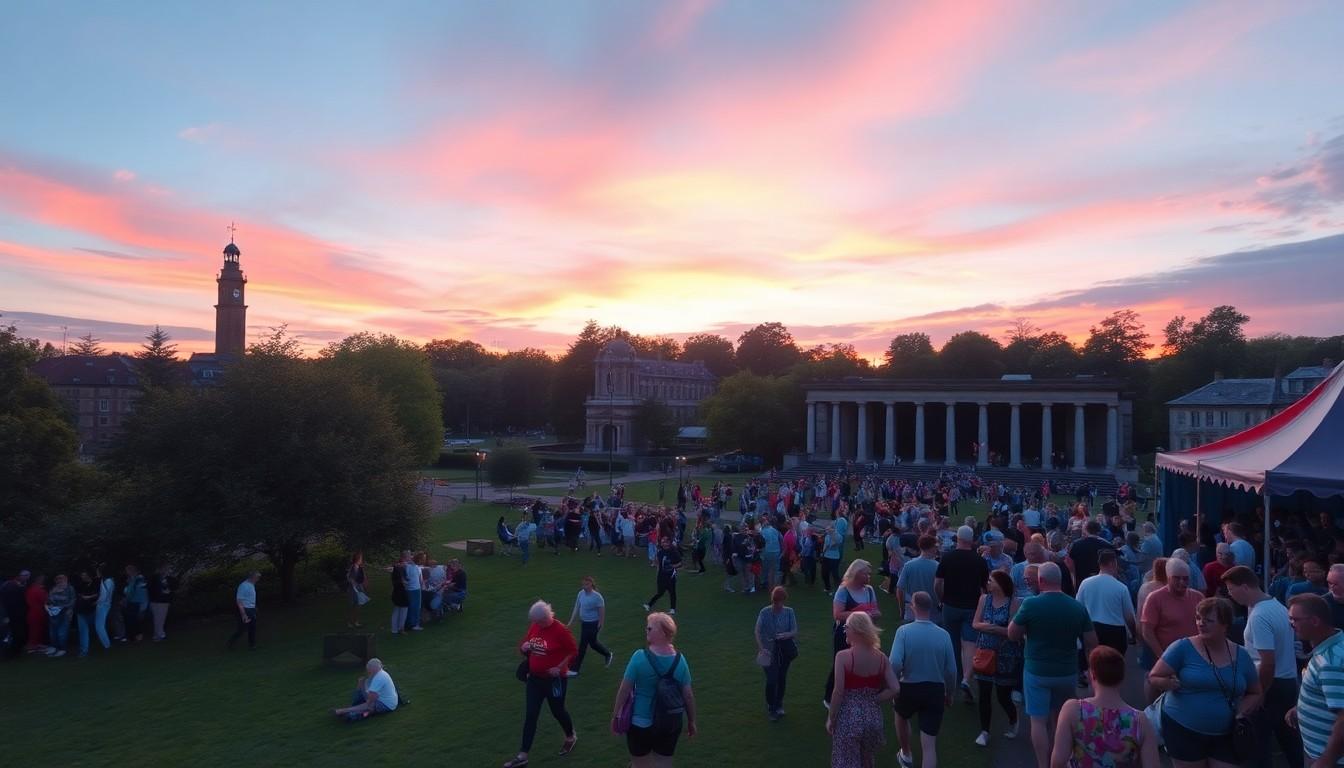
Shoppers and onlookers have watched Bristol Pride grow from a tiny street party into a loud, colourful citywide march , and long-time participants say that visibility still matters now more than ever. Read on for why the event has changed, how it began, and what to expect if you go this year.
Essential Takeaways
- Humble beginnings: Pride in Bristol started as a Pineapple pub street party before moving to Castle Park and the Downs, and initially drew under 250 people.
- Visibility feels different now: Early marchers remember gawping crowds and nervous pavement-walkers; today the city largely embraces the festival vibe.
- Safety remains a concern: Despite progress, interviewees recount homophobic abuse and violent attacks, underlining why Pride’s message is still vital.
- Diverse crowds and energy: Modern Pride mixes long-time queer community members with young, straight festival-goers , loud, colourful and sometimes overwhelming.
- Practical note: Expect heat, crowds and family-friendly programming; plan where to meet people and stay hydrated.
A tiny march that grew into a city-wide party
The first Bristol march many remember was almost embarrassingly small, a handful of people walking a short stretch from Union Street to Broadmead. Those early scenes sound intimate and a little fragile , the narrator hid on the pavement, worried about being shouted at, only to end up pictured in the local paper. According to local histories, the event that became Bristol Pride was a grassroots pub party that slowly found bigger spaces and an audience. If you want to appreciate how far Pride has come, picture a few banners, a whistle or two and curious shoppers stopping to stare.
How a pub street party became a major festival
Pride really got traction thanks to a Pineapple pub street party on St George’s Road, where organisers bought a council permit, set up a stage and carved out a women’s space. From there it shifted to Castle Park, Lloyd’s Amphitheatre and ultimately the Downs as more people turned up. Visit Bristol and OutStories Bristol document that kind of organic growth: what began as a local gathering matured into an annual festival with formal programming. That explains why the event now feels more polished, with stages, floats and stalls alongside the march.
Visibility is joyful , but it’s not only celebration
There’s been a big shift in the crowd makeup. Long-time attendees notice a “mishmash” of people: committed queer communities, allies and many young straight revellers looking for a party atmosphere. That can be energising , Pride is loud, colourful and inclusive , but it dilutes some of the political edge for those who remember marches as protest as much as parade. And while the city now seems used to Pride, stories of past bullying, spitting and brutal assaults are sobering reminders of why visibility and defiance remain necessary.
Safety and why Pride still matters
Personal accounts of violence , from bullying in teenage years to life‑changing attacks on friends and partners , are blunt and heartbreaking. Those memories are the core reason many insist Pride keeps happening: to be visible, to insist on belonging and to counter deep-seated prejudice. Community organisations and youth groups in Bristol have long provided support and education, and the march serves both as celebration and public statement. If you’re attending, be aware that safety teams and charities often have stalls and support networks on site.
What to expect if you’re going this year
Modern Bristol Pride is a proper day out: stages, DJs, family zones, educational stalls and acres of rainbow. It’s loud and can be overwhelming, so plan a meeting point, carry water and wear sun protection if the forecast’s hot. If you want a quieter experience, check schedules for smaller stage times or look out for dedicated community spaces. Above all, behave kindly , organisers say openness and curiosity are welcome, but respect is essential.
It’s a simple thing: showing up still changes the city bit by bit.
Source Reference Map
Story idea inspired by: [1]
Sources by paragraph: