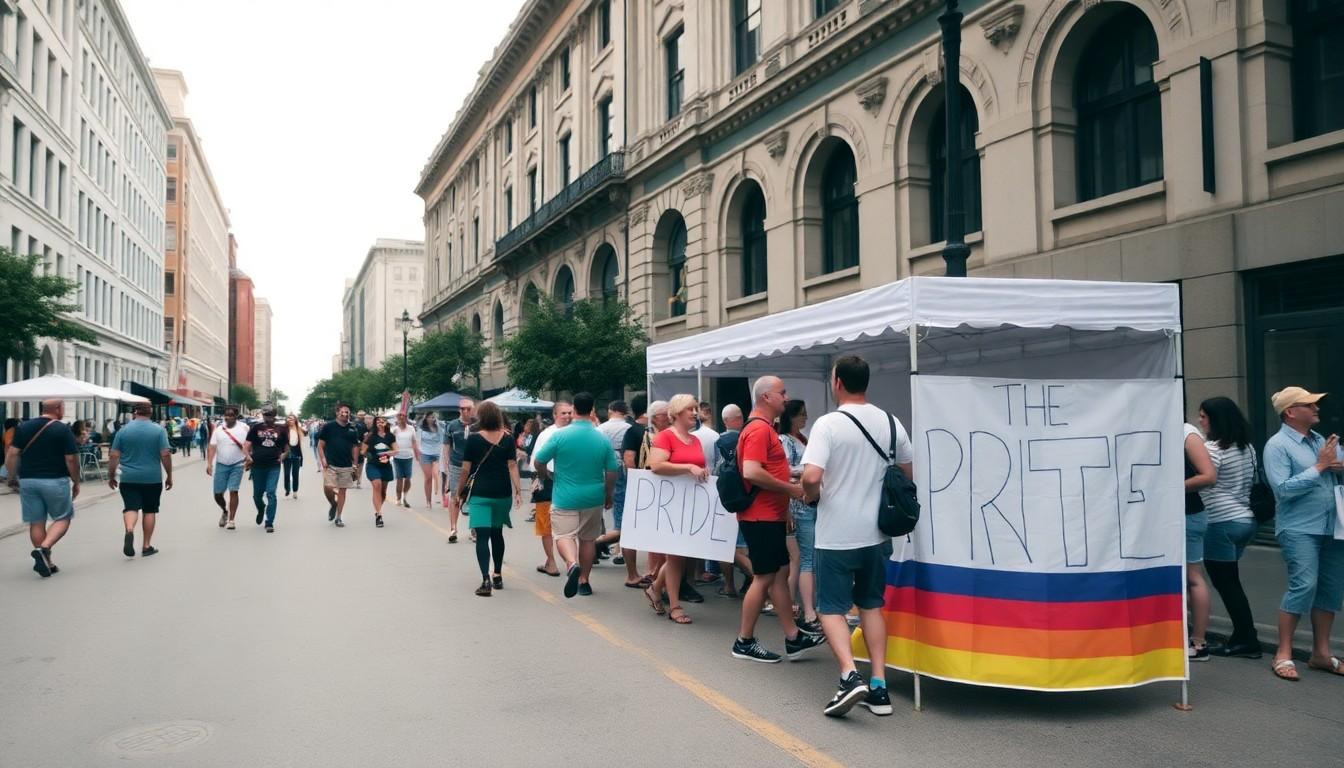
Discovering how St. Pete Pride plans to adapt after a fundraising gap left leaders rethinking events, what changed, who’s listening, and practical steps the community can take to keep Pride vibrant next year.
Essential Takeaways
- Immediate shortfall: St. Pete Pride raised roughly $40,000 after a plea but remains well below the budget needed to replace lost sponsorships.
- Cancelled event: Shades of Pride was called off this month as organisers reassess which events are sustainable.
- Sponsorship shift: Organisers link a drop in corporate and government backing to uncertainty around Florida’s new DEI restrictions.
- Community pivots: Leaders plan smaller-scale events and renewed public fundraising as they plan a 25th anniversary celebration.
- Practical ask: Individual donations and local partnerships will be especially important to keep Pride programming alive.
What happened, in plain terms
St. Pete Pride found itself facing a budget gap after Pride Weekend brought in only a fraction of the expected funds, and leaders have already cancelled a summer event to stem losses. There’s a slightly raw, nervous edge to the conversation when organisers talk about it, the kind you hear when volunteers realise the party might need to be smaller, or smarter, next year. According to organisers, about $40,000 came in after a public appeal, but that doesn’t close the hole left by major sponsorships pulling back.
Why sponsorships dried up , and the politics behind it
Organisers point to an environment of caution among sponsors, partly driven by new state-level measures that restrict diversity, equity and inclusion spending by local government. That uncertainty has had a ripple effect: some organisations are pausing or reducing support rather than risk running afoul of new rules. Reporters and advocacy outlets have documented similar pulls of public funding elsewhere in Florida, and that context helps explain why Pride leaders say they’re confronting a broader trend, not just a one-off dip in donations.
How events may look different next year
Expect fewer large-scale productions and more focused, low-overhead activities. Leadership has flagged a menu of options: shrink some events, axe others, and concentrate resources on high-impact moments like the 25th anniversary. That’s a sensible play, smaller events can still feel full of life, and they’re easier to underwrite with grassroots donations or local business support. For attendees, it means more intimate gatherings, pop-up programmes, and perhaps a return to community-driven, volunteer-powered experiences.
Practical steps the community and businesses can take
If you want to help, there are clear, practical moves. Individual donors can chip in through Pride’s official channels. Local shops and venues can offer in-kind support, space, staff time, or supplies, which often costs less than cash but counts the same toward keeping events alive. Businesses that still want visibility without large sponsorship checks can partner on micro-activations or match public donations for a weekend. Organisers also benefit from volunteers who can handle logistics, fundraising drives, or social media pushes.
Looking ahead: resilience, creativity, and a public role
There’s a real test of resilience here. St. Pete Pride’s leaders are talking frankly about trade-offs and priorities, and that honesty can galvanise local support. According to community reporting, similar groups in Florida have had to rethink everything from rainbow arches to parade logistics because of funding shifts. The silver lining: smaller, community-rooted events often deepen civic bonds and let Pride reflect local voices more clearly. If enough people step up, next year’s anniversary could feel more meaningful and more sustainable.
It's a small change that can make every Pride event safer and more durable.
Source Reference Map
Story idea inspired by: [1]
Sources by paragraph: