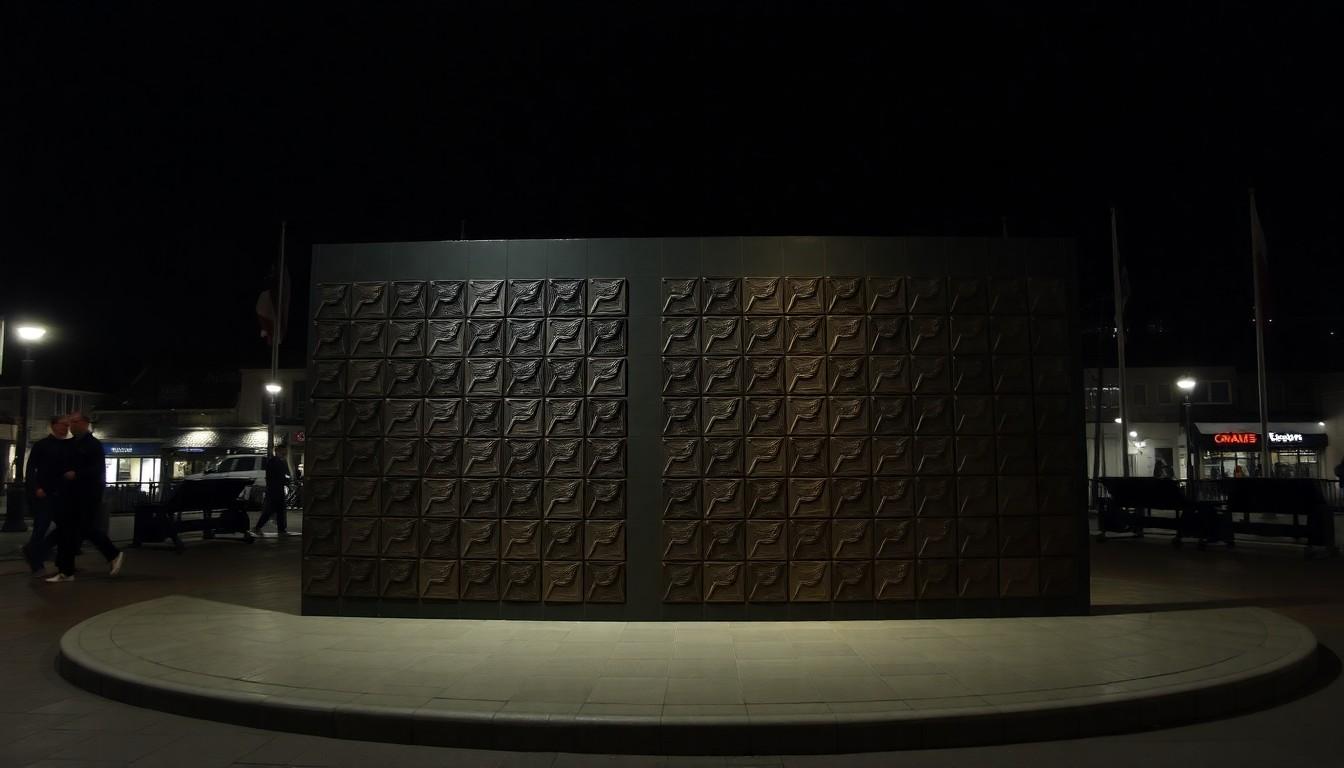
Celebrate and remember: Amsterdam has unveiled the Walk of Pride, a new public monument of 52 bronze plaques that stitches queer history into the city’s urban fabric, offering visitors a sensory, political and emotional route from the Dam to the Homomonument.
Essential Takeaways
- What it is: 52 bronze plaques embedded along a route from the Dam to the Homomonument, each honouring a queer figure or moment with brief inscriptions.
- Design and mood: Plaques are sculpted for touch and sight, set into familiar city paving so the trail feels both understated and immediate.
- Why it matters: The trail links historic sites of persecution and celebration, making visibility and memory part of everyday city life.
- Community process: Names were chosen after months of consultation with many organisations; the selection prompted difficult but necessary conversations.
- Practical note: The route is walkable, lively during Pride and quietly resonant year-round , bring comfortable shoes and an open mind.
A walking monument that snags your attention
The opening scene was vivid: a drag queen in a bold black-and-red dress , city colours , leading a samba-accompanied procession, flags fluttering and people dancing between the Dam and the Homomonument. Walks like this make history feel physical; you can hear the conga beat and see the plaques underfoot. Organisers wanted a living unveiling, and the ceremony doubled as a street party and a civic statement.
The idea grew out of a desire to give queer stories the same civic permanence as other public monuments. According to the Walk of Pride project, the trail celebrates a mix of activists, artists and victims of persecution, so that passers-by encounter both courage and loss. If you go, expect a juxtaposition of upbeat music and quietly powerful stones that stop you in your tracks.
History underfoot: from executions to celebration
The route was chosen with intent , starting on the Dam, a site linked in the past to punishments of queer people, and ending at the Homomonument, a place of remembrance and pride. That historical framing makes every step a lesson: one tile, for instance, remembers Jillis Bruggeman, the last queer person sentenced to death in the Netherlands, and warns that similar persecution still happens elsewhere.
This context reminds visitors that visibility is not only celebratory but defensive. Organisers stressed the point that while Amsterdam is seen as progressive, queerphobic laws still exist globally, and rising hostility makes local acknowledgement important. Walking the trail is a quiet classroom as well as a public display of belonging.
Choosing 52 heroes: a painful, important conversation
Picking who to honour wasn’t easy. The foundation behind the project worked with many organisations and wrestled for consensus; founders admit there were hours of debate and even tears. That process surfaced an uncomfortable truth: many people still feel unseen, which is exactly why a public set of plaques matters.
The list mixes household names like Marsha P. Johnson and Audre Lorde with lesser-known local figures. The curatorial aim was both representation and recognition, so the trail reads as an inclusive shortlist, not a final canon. If you’re interested in the backstory, the project’s website and the International Homo/Lesbian Information Centre offer deeper biographies.
What visitors should expect and how to plan your walk
The trail is designed to be accessible and discreet: bronze plaques set into familiar paving mean you don’t need a map to stumble on a story. Walk at whatever pace you like , the route works as a quick detour between city sights or a reflective, hour-long stroll. Comfortable shoes are a must; bring water in summer and a small umbrella for Dutch weather.
During Pride the route will be livelier, with scheduled walks and guided tours. Outside of that window it’s quieter, which can make the inscriptions hit harder. If you want context before you go, the Walk of Pride online pages list the honourees and suggested itineraries.
Why this changes Amsterdam’s cityscape
Placing queer histories in the pavement challenges the idea that monuments must be grand statues on pedestals. This trail folds memory into daily life, so being queer , and being remembered , is written into civic ground. Organisers hope the plaques will reach residents who might otherwise remain unaware, and that they’ll normalise queer presence as part of the city’s story.
Critically, the trail isn’t only for queer people. It’s a public lesson in where we’ve been and why visibility still matters. As one organiser put it, watching a passer-by stop and read the plaques was an emotional moment , a reminder that you can change what people know simply by placing words where they walk.
It's a small civic move with big symbolic weight , worth a slow, careful walk.
Source Reference Map
Story idea inspired by: [1]
Sources by paragraph: