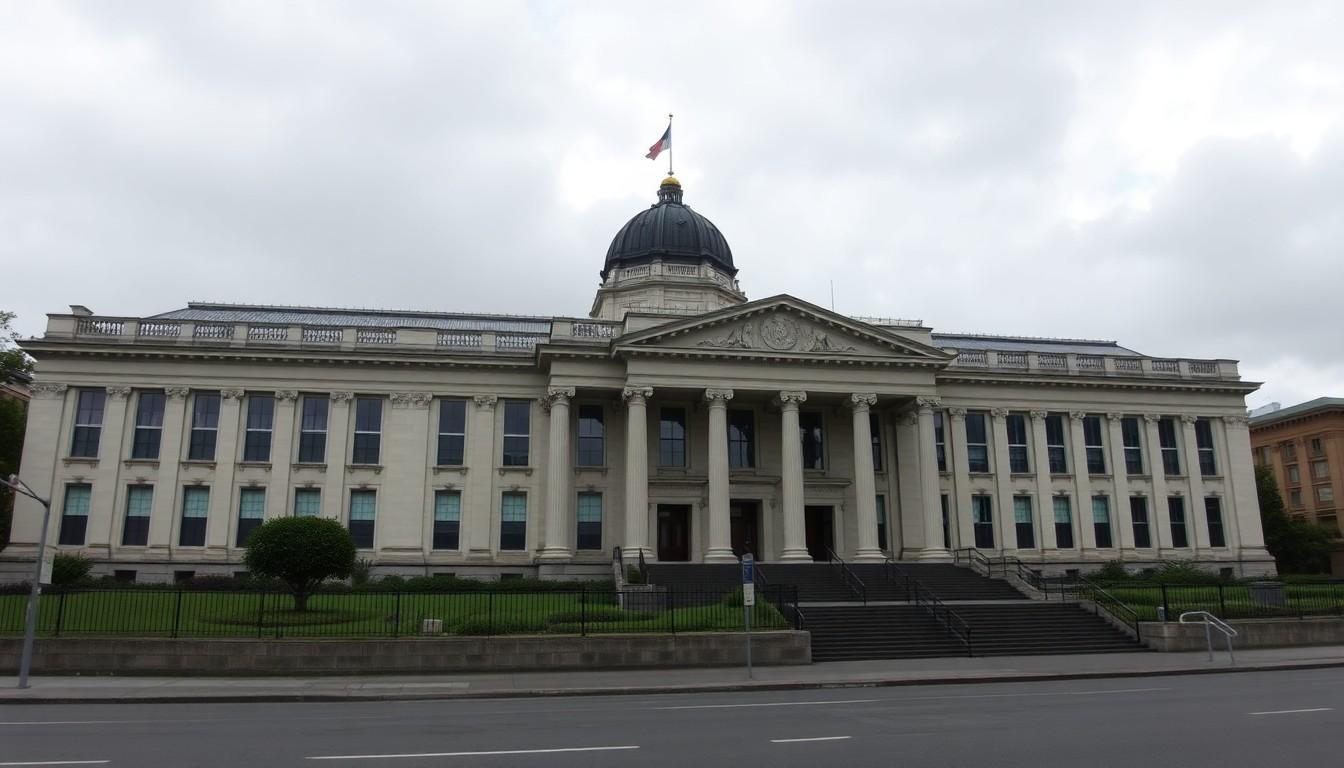
Remembering the fight: New Zealanders are revisiting the 40th anniversary of Homosexual Law Reform, hearing from Fran Wilde about strategy, bravery and why face‑to‑face persuasion mattered , and why today’s social media storms might have changed the outcome.
Essential Takeaways
- Historic turning point: The 1986 law decriminalised male homosexual acts and became a symbol of wider social liberalisation.
- Practical politics: Fran Wilde says her Wellington Central seat and straight‑woman sponsorship helped make the bill politically viable.
- Visibility worked: Gay men publicly coming out shifted public opinion despite real personal risk , it felt brave and raw.
- Age‑of‑consent battleground: The 16‑year compromise was contentious but ultimately decisive.
- Social media caveat: Wilde believes today’s online toxicity could have blocked the same progress.
A tough victory that felt like progress
Forty years on, the law still feels like one of those seismic, quietly joyful moments in New Zealand history; there’s a tangible warmth memory to it, and a hush when older campaigners talk about the fear they shouldered. According to Fran Wilde, who sponsored the bill, the change began with a rare political alignment: a liberal electorate, a willing MP and activists who kept pushing. The result was not just decriminalisation but the opening of a conversation about who we are as a nation.
The campaign’s texture was face‑to‑face lobbying, local meetings and newspapers, not the glare of feeds and trolls. That mattered because people met their neighbours’ stories and could change their minds. Wilde underlines that visibility shifted hearts and that those who stepped forward did so at great personal risk.
Why Wilde’s role was quietly strategic
Wilde says she was a practical choice to carry the bill through Parliament: a straight woman MP from Wellington Central meant fewer immediate political consequences for her seat and a broader chance of parliamentary success. That kind of candid, tactical calculation is often missing from celebratory retellings, but it’s central to how law gets made.
There were plenty of compromises along the way, and the early Equality Bill proved awkward in practice before being redrafted. This isn’t the romantic version of reform, it’s the real one: negotiation, back‑room urgency and sometimes messy politics that nonetheless produces change.
The age of consent fight that almost derailed everything
The debate over setting the age of consent at 16 became the campaign’s most fraught moment. Wilde recounts taking the issue back to the gay community and being told, plainly, “16 or nothing.” That resolve shaped parliamentary tactics; opponents miscalculated by supporting the 16 clause thinking it would sink the bill. Instead, it locked supporters in and propelled the legislation forward.
For anyone choosing policy language today, it’s a reminder that technical details can carry huge political weight , and that tactical unity from a movement can flip a math that looks stacked against you.
Visibility, bravery and personal cost
One of the clearest threads in Wilde’s account is the bravery of men who publicly came out during the campaign. Their testimony broke down the stereotype opponents pushed , that decriminalisation would somehow endanger children , and humanised the issue for many voters. Those men risked jobs, housing and family ties to be counted; their stories moved polling numbers and MPs’ consciences.
That tactic of humanising a minority group remains relevant now: personal stories cut through abstract arguments. But Wilde warns that today’s hostile online environment can make that tactic far more dangerous.
Would the bill have survived social media?
This is perhaps the most unsettling question Wilde raises. The 1980s campaign, brutal though it was, unfolded through print, petitions and in‑person debates. Wilde doubts the same law could have survived the speed and toxicity of today’s social media, where misinformation spreads fast and targeted harassment can be relentless.
It’s a sober point for campaigners and legislators: the structures of public persuasion have changed, so strategies must adapt. For instance, building strong local relationships, rapid fact‑checking, legal protections and support for people who speak publicly are now essential.
What it means today and where to from here
Wilde sees both progress and new fractures: far more visible LGBTQ+ leaders and a more accepting public on many fronts, yet sharper culture‑war moments , especially around trans rights , that strain communities and alliances. The lesson she offers is practical and a little philosophical: legal change matters, but it’s the human work , the conversations, the courage and the steady lobbying , that keeps it in place.
If you’re marking the anniversary, consider attending local events in Wellington and elsewhere this July; commemorations often include personal stories, panels and ways to support ongoing equality work.
It's a small change that can make every conversation safer.
Source Reference Map
Story idea inspired by: [1]
Sources by paragraph: