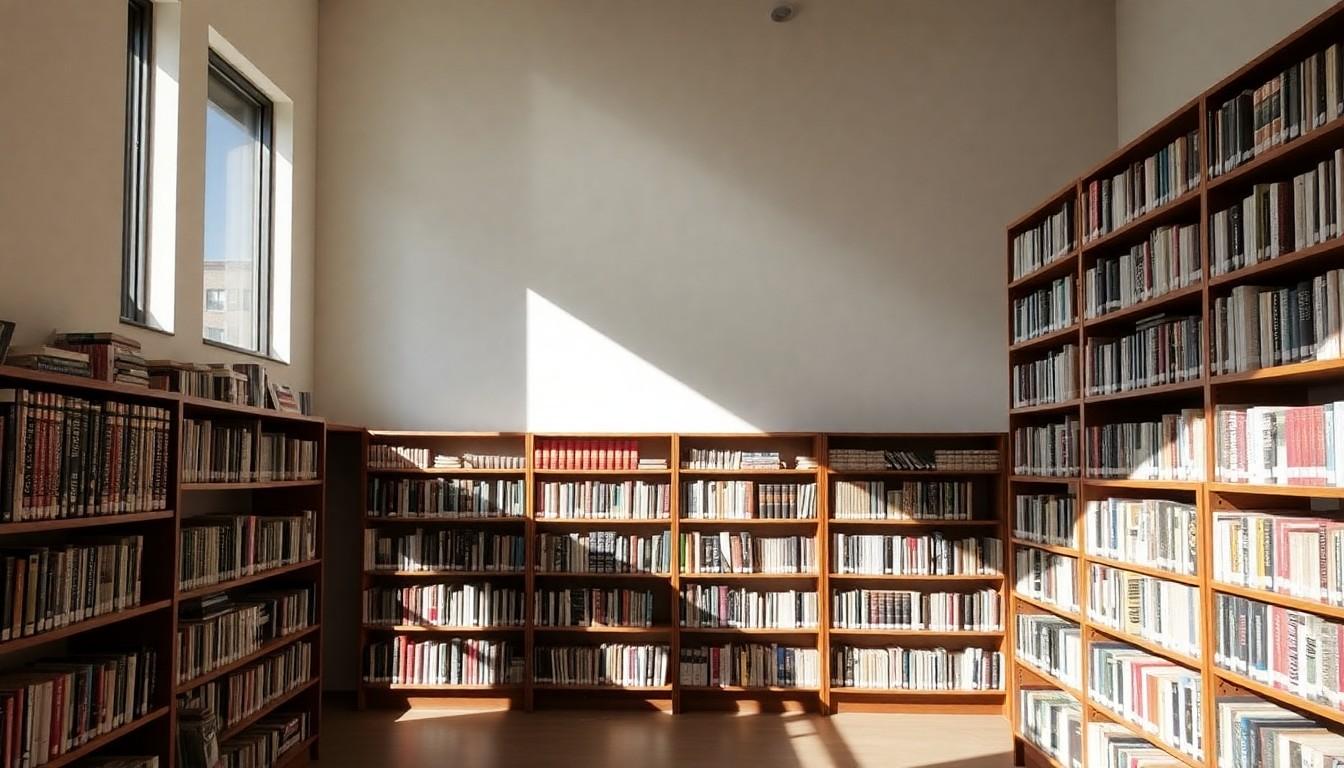
Browse, bag and bring cash , the Mazer Book Fair in West Hollywood offers hundreds of duplicate lesbian and LGBTQ+ titles for $1 each, plus exclusive merch, all to support preserving lesbian history and community resources. Here’s what to expect and how to make the most of the afternoon.
- When and where: The sale runs Sunday, July 12, 1:30–3:30pm at the June L. Mazer Lesbian Archives in the Werle Building, 626 N. Robertson Blvd, West Hollywood , or until books sell out.
- What to find: Hundreds of duplicate volumes from the archives’ collection, including lesbian fiction, history, periodicals and related LGBTQ+ titles, many with a sense of age and character.
- How it feels: Bargain-hunting with a purpose , books are cheap, the atmosphere is friendly and the stacks give a quiet thrill of discovery.
- Bring cash and small change: Organisers recommend cash to speed checkout; expect a simple, no-frills process and occasional Mazer T-shirts or film-festival merch for sale.
- Why it matters: Proceeds support the archives’ mission to preserve lesbian culture, fund exhibitions, programming and researcher access.
A bargain with heart: what the Mazer Book Fair is really like
The first thing to know is the mood: this is a community sale rather than a slick pop-up, and that shows in the crates and the chatter. The June L. Mazer Lesbian Archives are offering duplicate titles from their deep collections, so you’ll find everything from older lesbian novels and memoirs to back issues of queer periodicals, all priced at $1 each. It’s a tidy, tactile pleasure , dusty covers, dog-eared pages and the odd surprise that makes the hunt worth it.
The event takes place at the archives’ West Hollywood home in the Werle Building and is timed to run until 3:30pm or until the stock is gone. According to the archives’ events listing, it’s one of several public programmes they run to engage readers and supporters while moving duplicate materials into new hands.
Why the archives sell duplicates , and why that helps preservation
The Mazer Archives collect tens of thousands of items, including books, photographs, personal papers and audiovisual material. Duplicates happen, and selling them is practical: it clears space, raises funds and spreads important works into the community. Money raised helps the archives continue to catalogue, conserve and make materials available to researchers and the public, as their “support” pages outline.
Think of this sale as sustaining the archive’s larger mission , you get a bargain and the archive gets help to preserve rarer items properly. It’s a tidy cycle that keeps history accessible rather than boxed away.
Tips for shoppers: how to work the sale like a pro
Start early and come prepared. Doors open at 1:30pm and books have been known to move fast. Bring cash and small notes to keep the line flowing, and consider a tote bag for finds; some shoppers bring a folding cart or a second bag for heavier volumes. If you’re searching for something specific, ask the volunteers on site , they know the collections and can point you toward relevant boxes.
Also, check for merchandise. The archives often sell T-shirts and other items previously offered at events like their film festival, so you might leave with both a stack of books and a commemorative tee.
Beyond the sale: what the Mazer Archives offer year-round
The archives are more than a storage room; they’re a research centre and community hub. They host exhibitions, talks, film screenings and educational programmes, and serve students, historians and community members exploring lesbian and queer histories. Their collections page highlights the breadth of material they steward, from rare periodicals to oral histories , a reminder that buying a $1 book is also supporting a living, research-ready resource.
So if you can’t make the fair, consider visiting for a programme or donating via the archives’ support channels to help keep the collections accessible.
A community-minded way to build your shelf
This fair is the sort of local, slightly scruffy cultural moment that book lovers adore: inexpensive finds, friendly volunteers and the knowledge that your purchase keeps archives humming. Whether you’re hunting a particular title or just browsing, it’s an easy, satisfying way to connect with lesbian and LGBTQ+ literary history.
It's a small change that can make every find mean more.
Source Reference Map
Story idea inspired by: [1]
Sources by paragraph: