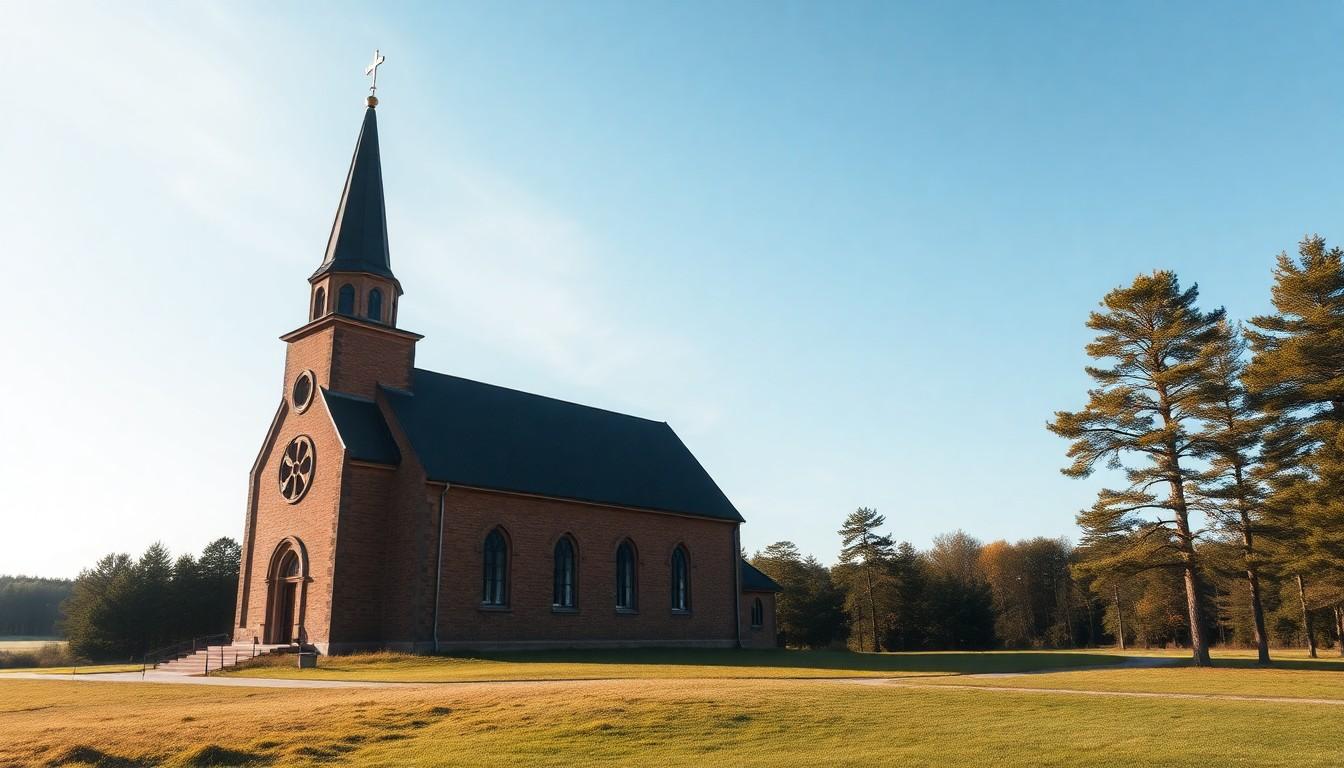
Shoppers and residents in Lappeenranta are hearing new voices this Pride week as Lilli Hatinen and Samu Sievänen share what it’s like to be a minority couple in their city, and why their story matters: it’s helping Pride events work more closely with local churches, making celebrations more inclusive across communities.
Essential Takeaways
- Local faces: Lilli and Samu are a Lappeenranta couple who met on Tinder and bonded over recent losses and fresh starts, creating an open, relatable story.
- Community bridge-building: Their involvement has encouraged Pride organisers to deepen cooperation with local congregations, bringing new settings and audiences into the conversation.
- Visible support: Churches and faith groups in town are appearing more in Pride programming, offering calm, familiar spaces for events and dialogue.
- Practical impact: The shift makes events feel less confrontational and more accessible for older or churchgoing residents who want to show support.
A simple meeting that turned into something community-shaped
They met on a swiping app, but the story doesn’t stop at romance , it becomes civic. Lilli and Samu say their connection grew quickly because both were coming out of similar, tender moments. That intimacy gives their account a quiet honesty that people in town respond to, and it’s precisely that human detail that has helped conversations move from online comment threads into parish halls. According to local event listings, Pride activities this year include more church-adjacent talks and meetups, which feels softer and more neighbourly.
Why churches are getting involved , and why it matters
Church involvement might surprise some, but it’s practical and human. Parish contacts in Lappeenranta have begun hosting or co-sponsoring Pride-adjacent events, offering spaces and pastoral presence. Organisers have noted this makes programming feel less oppositional and more like community-building, which helps people who are curious but cautious to participate. For many residents, a familiar building or a known clergy face lowers the threshold to show up and listen.
How this changes Pride for everyday people
When Pride moves into community venues, the tone shifts. Events gain a calmer, conversational rhythm , think coffee, chairs in a circle, real stories rather than slogans. That format suits intergenerational audiences and those who want to learn, not perform. Practical tip: if you’re nervous about your first Pride event, choose a church-hosted talk or a small-crowd meetup; they’re often quieter and more welcoming.
What this means for minority couples locally
For couples like Lilli and Samu, the change feels affirming. Visibility in familiar places reduces the sense of being “other” and invites neighbours to see people rather than labels. That matters in day-to-day life , at work, in shops, at the bus stop , where mutual understanding makes small interactions easier. If you’re part of a minority couple, consider getting involved with group events; your presence can nudge institutions toward ongoing inclusion.
Looking ahead: a gentler, broader Pride in Lappeenranta
This isn’t about turning Pride into something it’s not, but about widening the doors. When churches and secular organisers collaborate, events gain stability and reach. Expect more joint programming in coming years: panels, cafés, and safe spaces that let people ask questions without fear. It’s a practical route to changing hearts, one conversation at a time.
It's a small change that can make every neighbour feel more seen.
Source Reference Map
Story idea inspired by: [1]
Sources by paragraph: