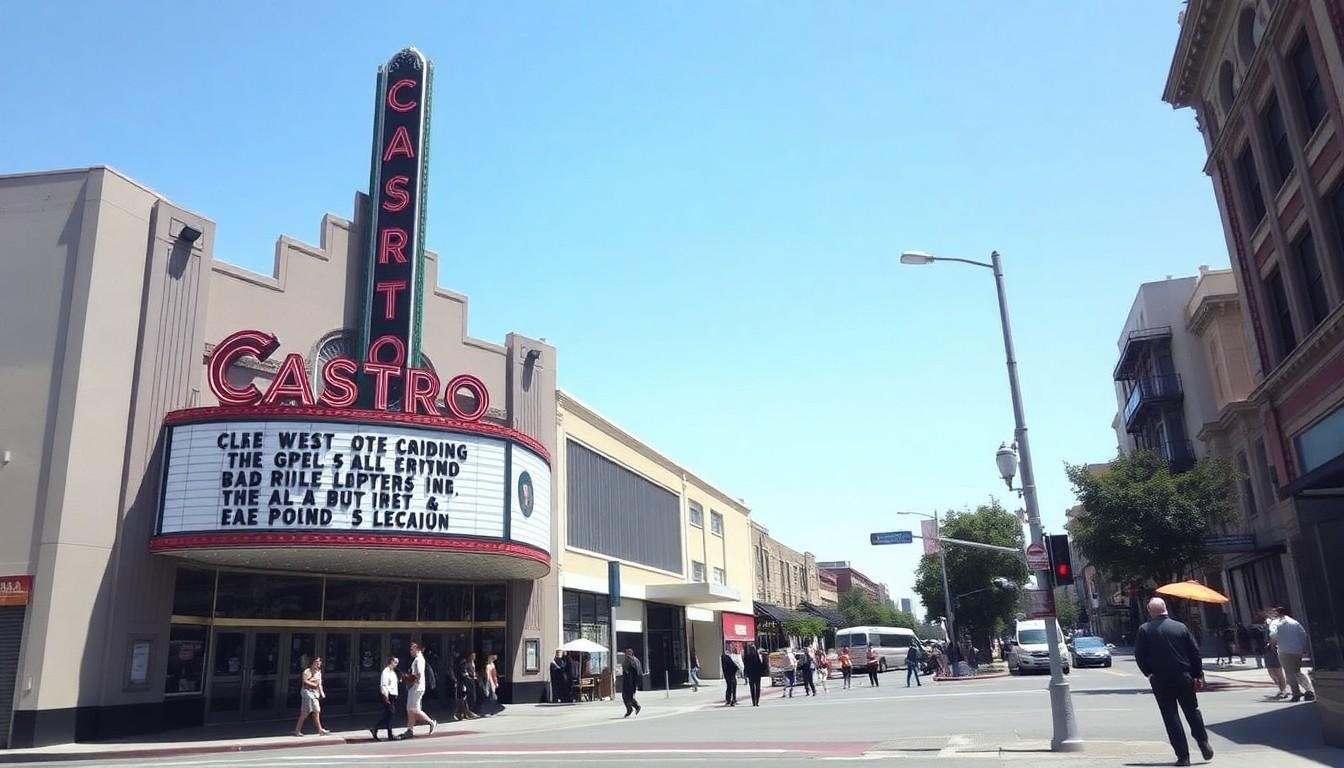
Shoppers of cinema, rejoice , Frameline42 has landed in San Francisco with a packed slate of queer stories, global perspectives and community celebration that matters. The 10-day festival (14–24 June) screens over 150 films from more than 30 countries, bringing new voices, archival treasures and party-ready documentaries to local stages.
Essential Takeaways
- Massive slate: Over 150 films from 30-plus countries, covering features, shorts and docs.
- Historic home base: The Castro Theatre remains a flagship screening venue with a storied, cinematic atmosphere.
- Standout premieres: TransMilitary, Retablo and Studio 54 were among the festival’s headline films, each offering distinct emotional textures.
- Community reach: Frameline pairs screenings with panels, parties and advocacy efforts; films like TransMilitary fuel real-world education and organising.
- Accessible vibes: Programming includes juried and audience awards, plus industry events for filmmakers and activists.
Why Frameline42 still matters , and feels celebratory
Frameline began in 1977 and has grown into the largest and oldest LGBTQ film festival on the planet, so there’s a lovely sense of ritual to attending. Walk into the Castro Theatre and you don’t just see a film, you feel the history , the velvet, the crowd hum, the shared gasp. Frameline42 leaned into that legacy while showcasing fresh international work, reminding viewers that queer cinema keeps expanding its horizons.
The festival’s scale also means there’s something for nearly every mood , aching dramas, sharp comedies, archival finds and urgent documentaries. If you love the social buzz of a festival, Frameline’s mix of screenings, panels and parties makes it an event rather than a programme, and that communal energy is part of the appeal.
Opening night and what to queue for first
Frameline opened with TransMilitary, a documentary that follows transgender service members as they navigate policy turmoil. It’s raw and humane, with scenes that linger , you’ll leave thinking about identity, duty and the stakes of public policy. The film has gone on to support advocacy and educational efforts, so it’s one of those screenings that extends beyond the theatre.
If you want emotional depth next, Retablo is a quieter, powerful pick. Set in the Peruvian highlands, it explores father-son bonds and the tricky work of growing into one’s identity. These two films show the festival’s range: one immediate and political, the other intimate and cinematic. Plan your schedule so you can take a breather between heavier features.
Party films and crowd-pleasers , Studio 54 and local love
Not every standout is heavy. Studio 54, screened as a closing night selection, is a glossy, music-fuelled dive into 1970s nightlife, offering spectacle and cultural context in equal measure. It’s the kind of film that sends you out of the cinema with energy , great for a post-screening night out.
On the local-history front, 50 Years of Fabulous gives viewers a celebratory, documentary portrait of San Francisco’s unique institutions and queer social life. It’s warm, informative and threaded with archival textures that make the city itself feel like a protagonist. For visitors, these films are a lovely way to connect the screen to the streets you’ll be walking during the festival.
Practical tips for first-timers and festival regulars
Buy tickets to headline screenings early , popular nights at the Castro fill fast. If you want variety, mix features with shorts programmes; shorts are a brilliant way to sample new filmmakers without a major time commitment. Bring layers: San Francisco evenings can be crisp even after a summer day, and the Castro Theatre can feel cool.
For those travelling from outside the city, align your visit with Frameline’s closing Sunday and Pride events to catch the wider sweep of celebrations. And if you’re a filmmaker or industry professional, check Frameline’s panels and networking events; they’re well-attended and genuinely useful for building connections.
What Frameline42 says about queer cinema right now
The festival’s 150-plus films from over 30 countries underline how global queer storytelling has become. From policy-focused documentaries that spur action to intimate dramas that map private lives, Frameline42 showcased the plurality of queer experience. Programming choices reflect both continuity , the festival’s long-held role as a safe public forum , and change, with younger filmmakers and non-US perspectives increasingly visible.
Expect Frameline to keep balancing celebration with activism. That mix is what has kept it relevant for four decades: it’s a place to watch, listen and organise, and to remember that queer film festivals do more than screen movies , they build community.
It's a small change to your calendar that can make a big difference to the films you see and the conversations you join.
Source Reference Map
Story idea inspired by: [1]
Sources by paragraph: