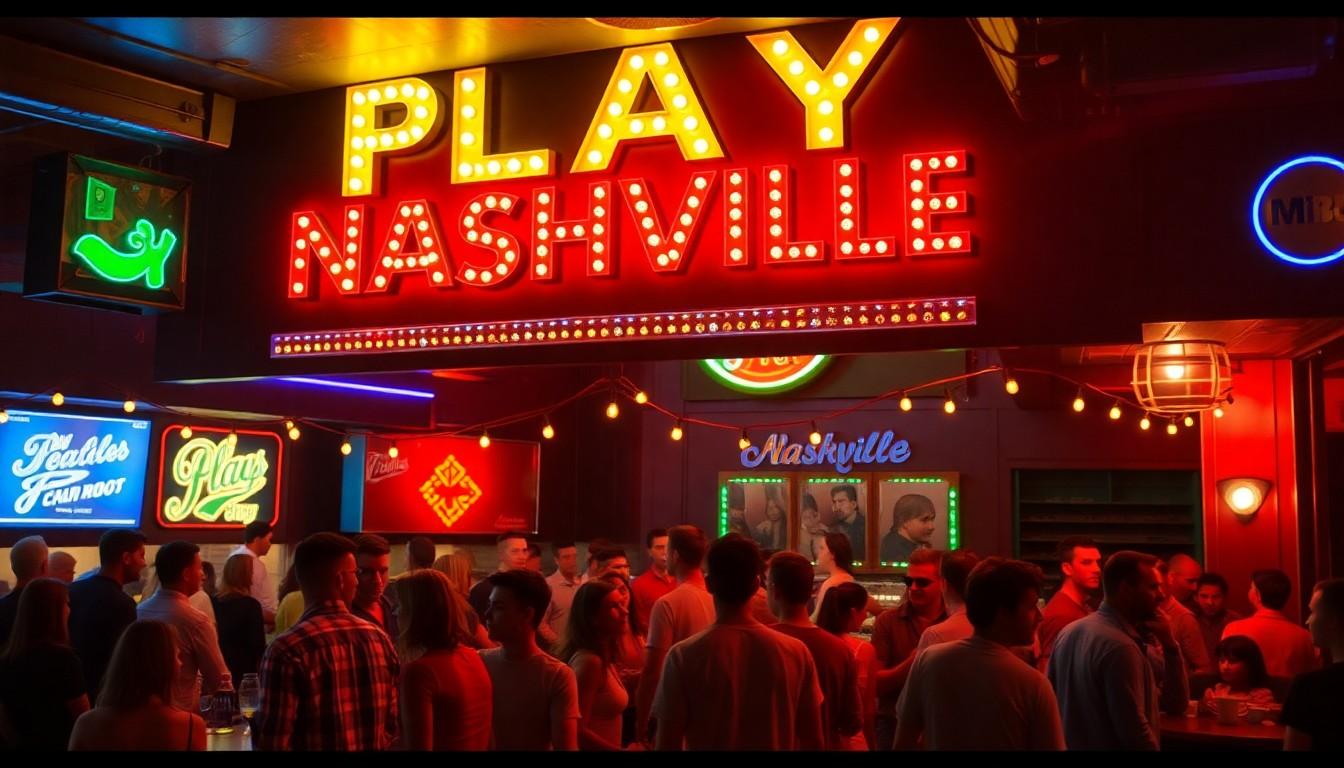
Shoppers are turning to more hands-on police training , Nashville recruits sat inside a popular gay nightclub to meet LGBTQ residents and learn who they’ll serve, a move designed to reduce awkwardness and build trust ahead of street duty.
- What happened: Metro Nashville Police recruits attended a diversity tour stop at Play Nashville, a drag-friendly nightclub, and took part in a moderated conversation with members of the LGBTQ community.
- Setting and tone: The session was informal and conversational, with recruits seated in the venue’s performance space; organisers urged recruits to bring questions so the hour-and-a-half wouldn’t be “awkward.”
- Organisers say: The city and police describe the visit as part of a standard diversity tour for recruits rather than a one-off Pride event.
- Practical feel: Attendees reported a relaxed atmosphere, useful face-to-face interaction, and a chance to hear lived experience rather than only classroom instruction.
- Who’s involved: The department’s LGBTQ liaison led the session and recruits spoke with local officials, including a Metro Council member who is transgender.
Why a nightclub? The hook: real people, real talk in a familiar space
Putting recruits inside a club is a deliberate choice , it lets officers meet LGBTQ residents where they socialise, so interaction feels less staged. The venue’s soft lights and drag-show buzz make conversations informal, and that can help lower guard and prompt honest questions. Organisers told recruits to bring queries to avoid awkward silence, and the format emphasised listening as much as lecturing.
This isn’t theatre for theatre’s sake. According to local coverage and the mayor’s office, the stop at Play Nashville is one of several community visits aimed at exposing recruits to groups they’ll encounter on patrol. The idea is simple: empathy and familiarity cut both ways, and a recruit who’s met local people is less likely to rely on stereotype in a tense moment.
How the training fits into Nashville’s wider approach to community policing
Nashville’s police academy offers a formal diversity tour as part of its introductory curriculum, and the department’s community outreach pages outline ongoing programmes to connect officers with different neighbourhood groups. The nightclub visit sits alongside classroom modules and other community stops, so recruits leave the academy with a mix of theory and context.
City officials framed the visit as routine and recurring rather than symbolic. The mayor’s office and the police department both shared video and statements showing the exercise as part of a broader commitment to an inclusive city. That matters in a place where local government has recently made diversity initiatives visible across agencies.
What trainees , and the public , can get from a face-to-face session
Face-to-face chats give recruits specific, memorable details that training slides never do: how a police interaction felt to someone in the community, which words are welcome and which are hurtful, and practical scenarios that might arise on a shift. Those sensory, human moments tend to stick: a recruit is more likely to recall a person’s voice and the club’s atmosphere than a bullet point on implicit bias.
Practical tip: If you’re involved in similar training, keep groups small, appoint a skilled moderator, and end with concrete takeaways , what to say, what to avoid, and where to find follow-up resources. That helps translate goodwill into behaviour change on duty.
Critics, context and how the city responds
Some will see a nightclub visit as political or performative; others view it as common-sense exposure. City spokespeople emphasised this was part of standard onboarding for recruits, not a one-off Pride stunt. Nashville’s broader record shows multiple diversity efforts across departments, from police outreach to training modules for utility workers , all intended to reduce bias and improve service.
The mayor’s known progressive positions and prior controversies were referenced in local reporting, and critics sometimes cite those ties when debating city initiatives. Still, officials maintain the goal is straightforward: prepare officers for the city they’ll serve.
What this means for community trust and future training
Bringing recruits into community spaces is a small, practical step toward trust-building. It won’t solve every problem overnight, but it normalises conversation, makes officers more comfortable asking questions, and gives residents a direct line to the people tasked with their safety. Expect to see more of these mobile diversity stops if the department keeps measuring them as part of recruitment and retention work.
It’s a modest change with practical payoff: officers who’ve shared a cup of coffee or a club seat are easier to humanise on the street.
Source Reference Map
Story idea inspired by: [1]
Sources by paragraph: