Discover why LGBTQ+ travellers are choosing Aruba for worry-free sun, sea and celebration; this guide covers where to stay, the best beaches and nightlife, practical travel tips and why same-sex couples can now marry on the island , plus how to make the most of Aruba’s calm waters and welcoming vibe.
Essential Takeaways
- Legally welcoming: Aruba recognises same-sex marriages after a 2024 Dutch Supreme Court ruling, making it one of the few Caribbean islands with full marriage rights.
- Very safe: The island scores highly on safety indexes, with low crime and a relaxed atmosphere where holding hands feels natural.
- Sun and sea every day: Aruba sits outside the hurricane belt, offering consistent sunshine, clear shallow waters and world-class beaches like Eagle Beach.
- Sustainable stays available: Several hotels prioritise green credentials , including the Caribbean’s first certified carbon-neutral resort , and many properties hold non-discrimination certifications.
- Compact nightlife: There’s a dedicated LGBTQ+ venue plus friendly mixed bars along Palm Beach, so late-night fun is easy and walkable.
Why Aruba feels genuinely relaxed and safe
The first thing you notice is how effortless it feels to unwind, with warm trade winds and clear water setting a calm tone. Visitors report low levels of street crime and a sense of normality when showing affection in public. According to regional coverage and local tourism messaging, recent legal changes have also reinforced a culture of inclusion, so the welcome isn’t just marketing , it’s legal and social. If you’re used to tiptoeing in other parts of the Caribbean, this is one place where you can relax and let the holiday mood take over.
Same-sex marriage is now recognised , what that means for your trip
A ruling from the Dutch Supreme Court in 2024 confirmed same-sex marriage rights for Aruba, aligning the island more closely with other parts of the Kingdom of the Netherlands. News outlets and human-rights groups reported the decision as a landmark for Caribbean LGBTQ+ rights. Practically speaking, couples can now plan legal ceremonies and expect the paperwork to be recognised, which removes a major barrier for many travelling couples. If you’re thinking of tying the knot, check the island’s official guidelines early , documentation and local residency rules vary.
Where to stay: beaches, boutique and sustainability-minded hotels
Most hotels cluster along the west coast around Eagle Beach and Palm Beach, giving clear choices: choose Eagle Beach for wider sands and a quieter pace, or Palm Beach for lively nightlife and easy access to restaurants and bars. For a grown-up, wellness-focused stay consider adults-only, eco-minded resorts that emphasise sustainability and calm. Many properties now hold inclusion certifications requiring non-discrimination training for staff, which makes booking simpler for LGBTQ+ travellers who value both comfort and values. Book early for Carnival season to avoid sold-out rooms.
Beaches and natural attractions worth plotting on your map
Eagle Beach is what postcards are trying to be: soft white sand, shallow swimming and two iconic fofoti trees that curl under the wind , they’re particularly photogenic at sunrise. For a change of scene, Arikok National Park offers desert-like trails, hidden coves and the Natural Pool, reached on guided tours that feel slightly adventurous and very Instagrammable. Cultural stops such as the Ayo Rock Formations and San Nicolas’s mural trail add texture to lazy beach days, so plan alternating chill and exploration days to keep the holiday balanced.
Eating, drinking and a compact, friendly nightlife
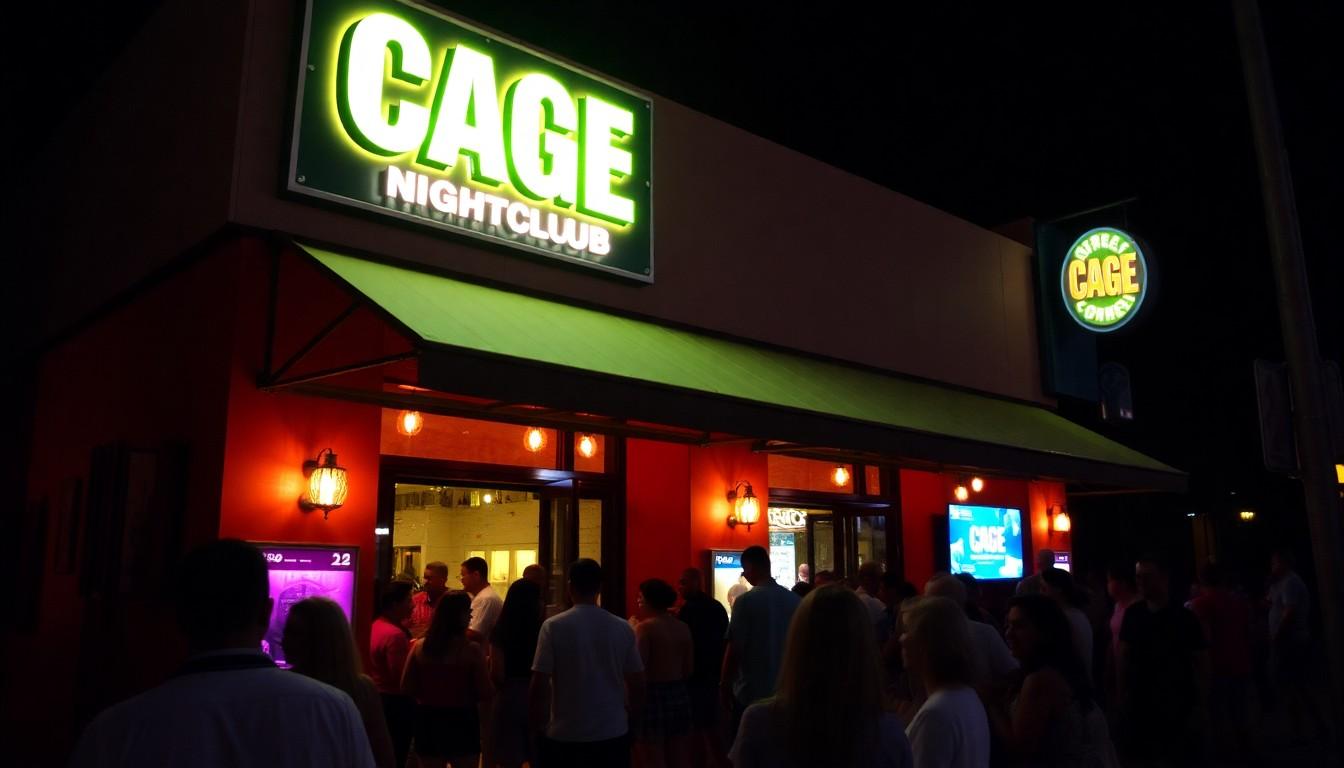
Aruba’s cuisine mirrors its multicultural heritage: savour local dishes such as keshi yena and stoba, sample fresh wahoo or mahi-mahi, and don’t skip the pastechi snacks for a quick energy boost. Drink local lager or a rum punch while watching a gentle Caribbean sunset. Nightlife centres on Palm Beach and Oranjestad; there’s a dedicated LGBTQ+ venue with themed nights and drag performances, and most other bars are mixed and welcoming. It’s easy to bar-hop on foot, so you can try a few spots in one evening.
Practical tips: when to go, what to pack and accessibility notes
Peak events include Carnival from January to mid-February, a lively time if you like parades and late parties, but expect higher prices and bigger crowds. April to August stays hot with fewer tourists, and September to November is quieter with occasional short rains. Aruba’s ban on reef-damaging sunscreens means you’ll need reef-safe SPF , good for coral and your conscience. Many hotels offer inclusion policies and accessibility features, but call ahead if you need specific mobility or medical accommodations. Finally, check official travel and marriage documentation early if you plan a wedding or legal partnership on the island.
It's a small change of plans that can make the whole trip feel safer, sunnier and a lot more relaxing.
Source Reference Map
Story idea inspired by: [1]
Sources by paragraph: