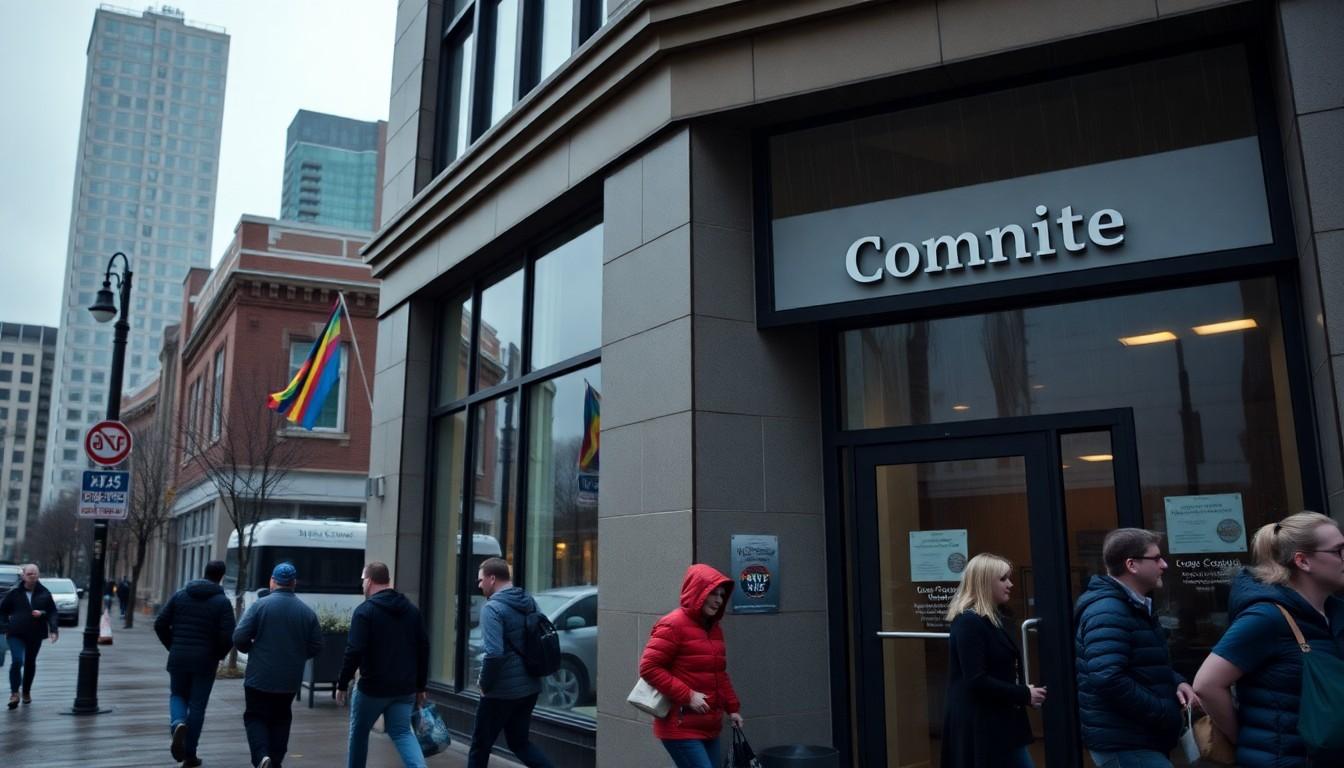
Shifting tides are sending thousands of transgender people to Seattle for safety, and local groups are scrambling to keep up; volunteers, stretched budgets and a possible city "civil state of emergency" all show why this matters for residents and newcomers alike.
Essential Takeaways
- Surge in arrivals: Local nonprofits report a dramatic increase in trans people seeking refuge since 2024, with hundreds contacting services in weeks.
- Strained resources: Organisations that previously managed small inflows are facing depleted funds, thin staff and rising costs.
- Potential emergency aid: The Seattle LGBTQ Commission has urged the mayor to declare a civil state of emergency to unlock roughly $2.1m for newcomer services.
- Practical help on offer: Groups provide housing, benefits enrolment, job help and peer navigation; volunteers and peer mentors are key to immediate relief.
- Community resilience: Despite funding shortfalls, volunteer numbers and peer-led support are climbing, creating quick, human responses.
A sudden wave arrives , and it feels urgent
Seattle’s trans-serving groups say the stream of people fleeing restrictive states has turned into a deluge, and it reads as a human story before it’s a policy problem. According to local charities, calls for help have spiked from a handful to hundreds, and peer navigators are often meeting newly arrived people straight off flights. The scene is gritty and genuine: exhausted newcomers, donated backpacks and strangers offering couches for weeks at a time.
This rise didn’t happen in a vacuum. Nationwide policy shifts and new state restrictions have left many trans people feeling unsafe and without basic documents, care or jobs. Organisations that once helped a few arrivals a year are now triaging hundreds. For anyone planning to move or help someone move, this means preparing for a longer, bumpier resettlement than in the past.
Why Seattle , and why now
Seattle’s reputation as a trans-friendly city is decades old, with early protections and medical services that drew people long before this latest surge. That institutional welcome matters: hospitals, legal protections and community networks make the city a pragmatic choice for people with nowhere else to turn. But the influx now includes many who arrive with virtually nothing , no job, no housing and few savings.
That changes the calculus for support services. Where newcomers once arrived with leases or employment lined up, helpers are now doing everything from emergency shelter sourcing to benefits enrolment. If you’re advising someone thinking of moving, note that arrival support exists but it’s less predictable and often relies on volunteer capacity.
The money gap , and the mayor’s decision
Nonprofits say private donations and grant opportunities have dwindled at the same time demand has spiked, leaving budgets stretched thin. One obvious remedy on the table is a civil state of emergency, which could free up municipal funds to help newcomers with housing, casework and basic needs. City leaders estimate that an initial programme could require around $2.1m.
Mayor Katie Wilson has said she’ll weigh the request and aims to make a recommendation by August. But Seattle faces a significant budget shortfall for other priorities, so the decision isn’t automatic. If you care about local services, this is where advocacy and city budgeting intersect: public pressure and clear cost plans often sway outcomes.
How nonprofits are adapting day-to-day
Organisations are pivoting fast: boosting volunteer recruitment, tapping peer networks, and streamlining intake so people can get IDs, healthcare access and employment support quickly. Peer-led models matter here , newcomers who’ve recently settled can offer the empathy and street-level knowledge that bureaucratic systems often lack. That’s why several groups have grown volunteer rosters from a handful to dozens.
Practical tip: if you want to help, consider donating gift cards, transport funds or time as a peer mentor; these are the most immediate and flexible ways to ease someone’s first month in a new city. Cash is ideal, but practical contributions often move faster when budgets are tied up.
What this means for the city and its services
If the influx continues, pressure won’t just fall on LGBTQ-specific shelters and groups; it will ripple into homelessness services, health clinics and rental markets. Already, some youth shelters report turning people away for lack of space. That’s a stark reminder that supporting newcomers is also about preserving broader civic services.
Looking ahead, the city’s response will signal whether local government can rapidly scale humane systems around emergency migration that’s not caused by natural disaster but by legal and political shifts. For residents, that means conversations about budgets, solidarity and where community priorities lie.
It's a small change that can make every welcome safer , and keep Seattle an option for people whose choices have been cruelly narrowed elsewhere.
Source Reference Map
Story idea inspired by: [1]
Sources by paragraph: