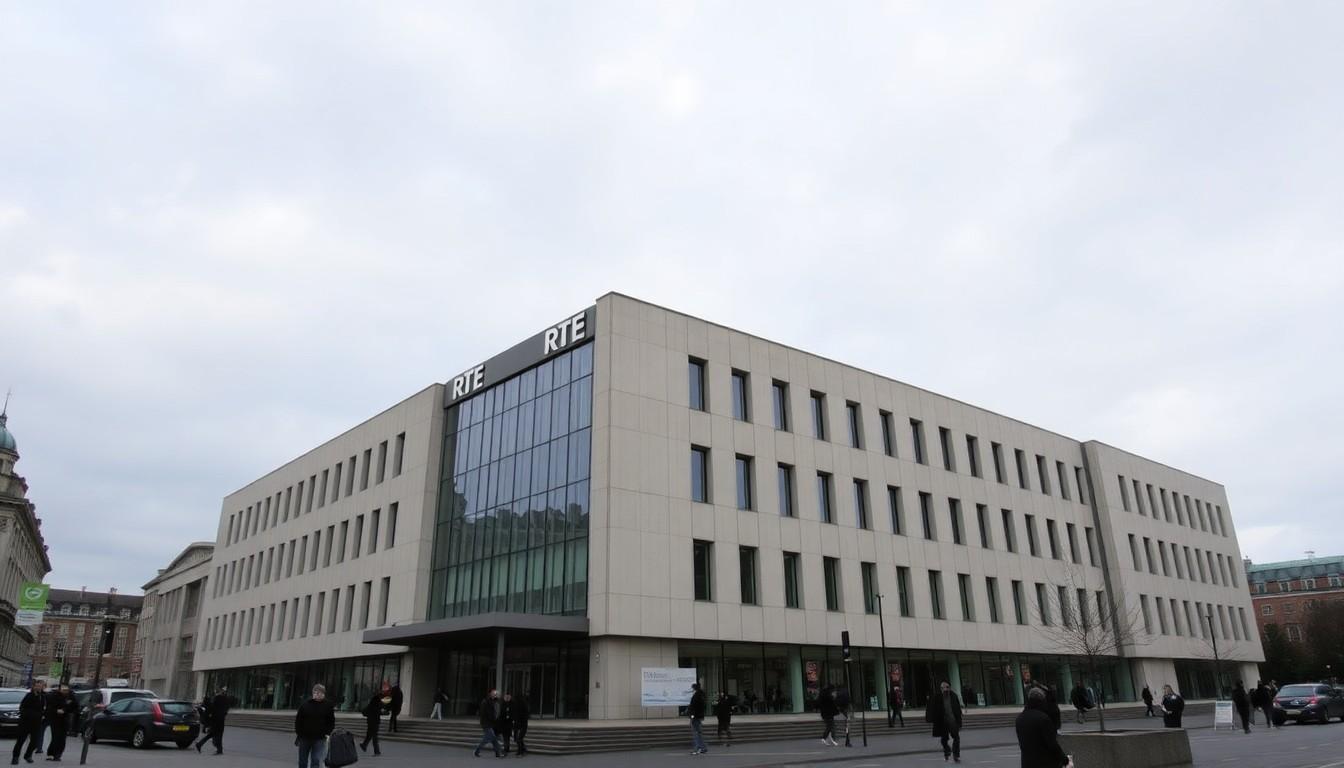
Shocking as it was then, the brutal, unsolved 1982 murder of RTÉ set designer Charles Self still resonates , not only as a cold case but as a turning point for Ireland’s gay community, policing and public conversation about safety, secrecy and justice. Here’s why the story keeps coming back and what it taught us.
Essential Takeaways
- Cold, violent crime: Charles Self was found murdered in Dublin in 1982 after a frenzied attack, a case that remains unsolved and disturbingly graphic.
- Community fear: The investigation heightened fear of being outed among gay men, making many reluctant to engage with police or the press.
- Media and memory: Documentaries and recent reporting have re-examined the case, sparking fresh interest and new witnesses coming forward.
- Institutional change: The shock of Self’s death helped catalyse meetings between activists and authorities that ultimately shifted how same‑sex relationships and policing were handled.
- Practical legacy: For families and investigators today, the case underlines the importance of sensitive policing, witness protection and preserving old evidence.
A violent killing that echoed through a community
The opening shock is still visceral: a creative, well liked RTÉ set designer attacked and murdered in his own flat. Reports describe a brutal, frenzied assault that left colleagues and friends reeling and, crucially, terrified. According to recent coverage, the manner of the murder and the media attention intensified fear among gay men in Dublin that their private lives could be exposed, with consequences for jobs and safety.
Back then, being gay brought legal and social peril. The killing quickly became more than a criminal story; it was a public warning, a painful example of how personal vulnerability and institutional failure could combine.
How the Garda response shaped mistrust
Coverage and later reflections suggest the Garda investigation did not reassure the gay community. Many were worried that engaging with detectives could lead to outing or discrimination, so potential witnesses stayed silent. That reluctance arguably hindered the case early on.
Decades later journalists and documentarians have pointed out that policing norms and homophobic attitudes at the time complicated the search for truth. The case shows how important it is for police forces to build trust with marginalised groups , a lesson still relevant today.
Documentaries and fresh leads have revived the story
Recent documentaries and investigative pieces have pulled the case back into the spotlight, and that renewed attention has produced new leads and recollections. Filmmakers and reporters revisiting the files have encouraged witnesses to speak up, while archival material has been re‑examined.
These revisitations demonstrate how public interest can keep cold cases alive and how media scrutiny sometimes prompts institutional re‑evaluation. They also underline the ethics of reporting: balancing public appetite for detail with respect for victims and vulnerable communities.
A turning point for activism and legal change
Observers and commentators note the wider social ripple effects. The outrage and fear following Self’s death fed into emergent conversations about gay rights, policing conduct and the need for legal reform. Activists used the case to press for better protections and to challenge the stigma that made witnesses fearful.
Over time, these pressures helped shift public attitudes and policy, contributing to the slow dismantling of laws and practices that criminalised or marginalised same‑sex couples. The murder is often remembered as one of the painful catalysts for that change.
Practical lessons for now: evidence, engagement, empathy
For investigators, lawyers and campaigners, the Self case offers clear takeaways: preserve evidence carefully, create safe channels for witnesses, and acknowledge how prejudice can hamper justice. For families and communities, it’s a reminder that unresolved cases linger in collective memory and that patiently coaxing out truth matters.
And for journalists and documentarians, it shows the power , and the responsibility , of telling these stories with sensitivity.
It's a small, grim chapter in Ireland's history that helped change conversations about safety, secrecy and rights.
Source Reference Map
Story idea inspired by: [1]
Sources by paragraph: