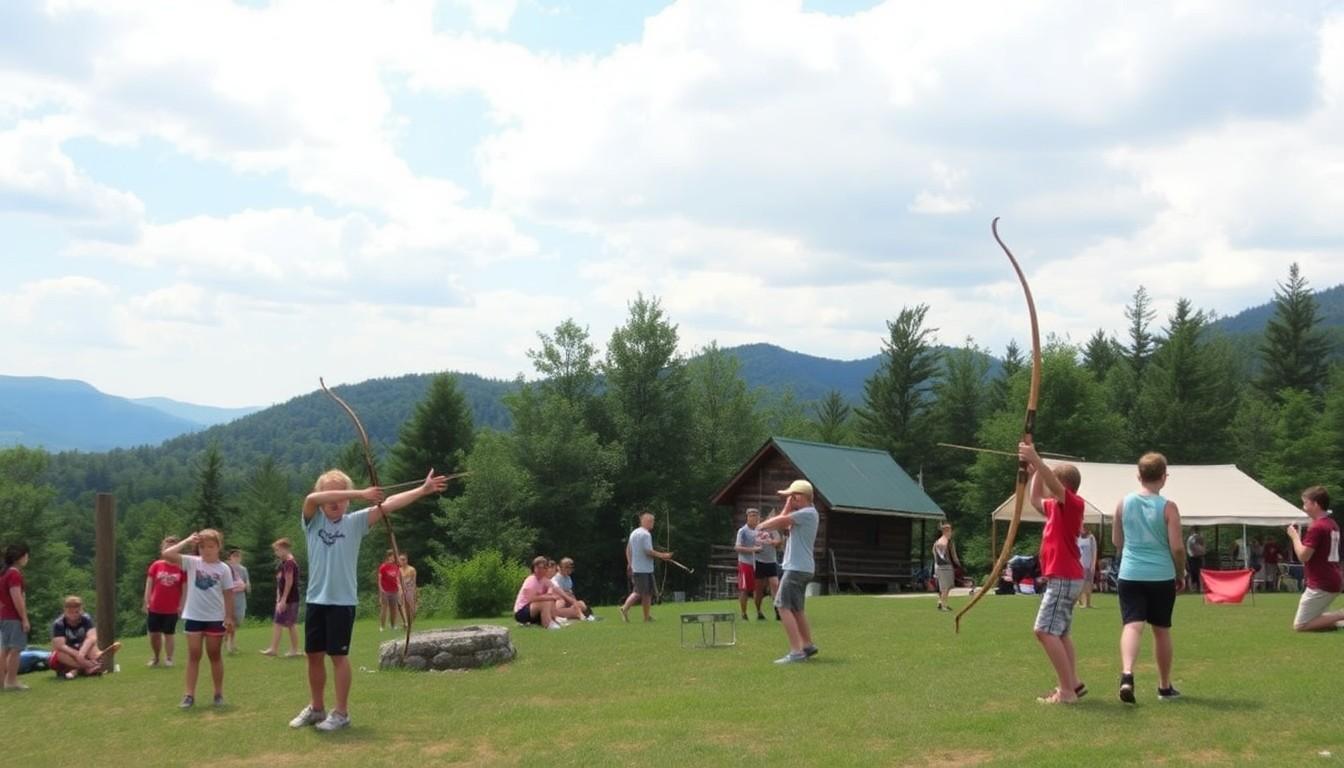
Shoppers and planners are flocking to queer summer camps as adults , vibrant weeklong and weekend retreats where LGBTQ+ people gather outdoors, make friends, and do everything from archery to sauna dips; here’s why they matter, what to expect, and how to pick the right getaway.
Essential Takeaways
- Longstanding favourites: ‘Camp’ Camp in central Maine has run for decades and draws an intergenerational crowd, with many returning year after year.
- New and nimble: Dyke Camp and Sappy Trips are newer options that prioritise specific communities and experimental programming like shibari and sauna time.
- DIY weekend trips: Friend-organised getaways such as Camp Carabiner show you don’t need a big operation to build a memorable queer camp experience.
- Activities vary wildly: Expect old-school camp fare (canoeing, s’mores, colour wars) alongside wellness, craft and queer-specific offerings.
- Practical vibes: Pack layers, bug spray and an open mind , most camps balance structured schedules with relaxed social time.
Why queer adult camps are booming , and why they feel different
There’s a tactile joy to being outside with people who get you, and queer camps lean into that warmth. According to organisers, these retreats recreate the safety and whimsy of childhood camps while adding explicit LGBTQ+ inclusion , which matters if you’ve spent adulthood hunting for affirming spaces. Many campers describe the feel as both nostalgic and transformational: structured days of activities and long evenings by the bonfire invite low-stakes intimacy. If you want cheap theatre-level drama, there will probably be a “no talent, talent” show; if you want gentle solitude, there’ll be a quiet dock to sit on.
The veterans: what ‘Camp’ Camp offers and who it suits
‘Camp’ Camp has become an institution, drawing people from their twenties to their eighties for a full week of traditional camp pursuits and queer programming. It’s run like a classic sleepaway camp , think colour wars, pottery, horseback riding and Broadway dance , but every detail is curated to foster community among LGBTQ+ adults. Organisers point out the intergenerational mix as a selling point: you’ll share cabins and meals with people at very different life stages, which can be grounding and, frankly, hilarious. Choose this if you want a full-week immersion and enjoy a busy activity schedule.
Newer, sharper offerings: Dyke Camp and Sappy Trips
Fresher projects like Dyke Camp and Sappy Trips show how organisers are tailoring retreats to specific needs and vibes. Dyke Camp launched to create a space for queer women and non‑binary folks to let loose in the woods, with programming that can include body‑positive spaces like pond dips and saunas and even rope-work workshops. Sappy Trips comes from a city planner’s desire to build intentional queer community away from urban life, offering a weekend that’s part pause and part party. If you want niche workshops, more relaxed weekend timing, or an explicitly feminine/masculine energy, consider one of these newer options.
How to DIY a queer camp weekend , lessons from Camp Carabiner
You don’t need a national organisation to build a brilliant queer camping weekend. Camp Carabiner started as a friend-group getaway: a campsite in the Catskills, caravans, planned meals and a loose itinerary of field games, movie night and woodchopping. The practical lesson? Small teams with planning skills can create rituals that feel profound. Pick a site that allows your intended activities, split responsibilities (food, transport, first aid) and include both structured events and roomy social time. It’s intimate, flexible, and often cheaper than ticketed retreats.
Practical tips on choosing the right queer camp for you
First, consider length and intensity: weeklong camps demand more time off work, while weekend retreats fit better into most schedules. Think about programming , do you want lots of classes and workshops, or more downtime by the lake? Check age ranges and accessibility details; some camps aim for intergenerational mixes, while others cater to specific communities. Don’t forget logistics: cabin styles (shared bunks vs private tents), food options, and policies on nudity, alcohol or substances. Finally, read feedback from past campers when available; organisers often share testimonials about how life-changing the weekend felt.
What to pack and what to expect when you arrive
Pack for comfort: layers, sturdy shoes, insect repellent, a refillable water bottle and a headtorch for late-night chats. Bring items that ease social moments , a deck of cards, a favourite playlist, or a craft project to share. Expect a balance of structured activities with long stretches of unprogrammed social time; many campers say the best conversations happen after the day’s official events wind down. And be ready for the small, affectionate rituals that make queer camps memorable: communal meals, colour war paint, and the collective relief of being seen.
It’s a small change that can make every weekend feel more like home.
Source Reference Map
Story idea inspired by: [1]
Sources by paragraph: