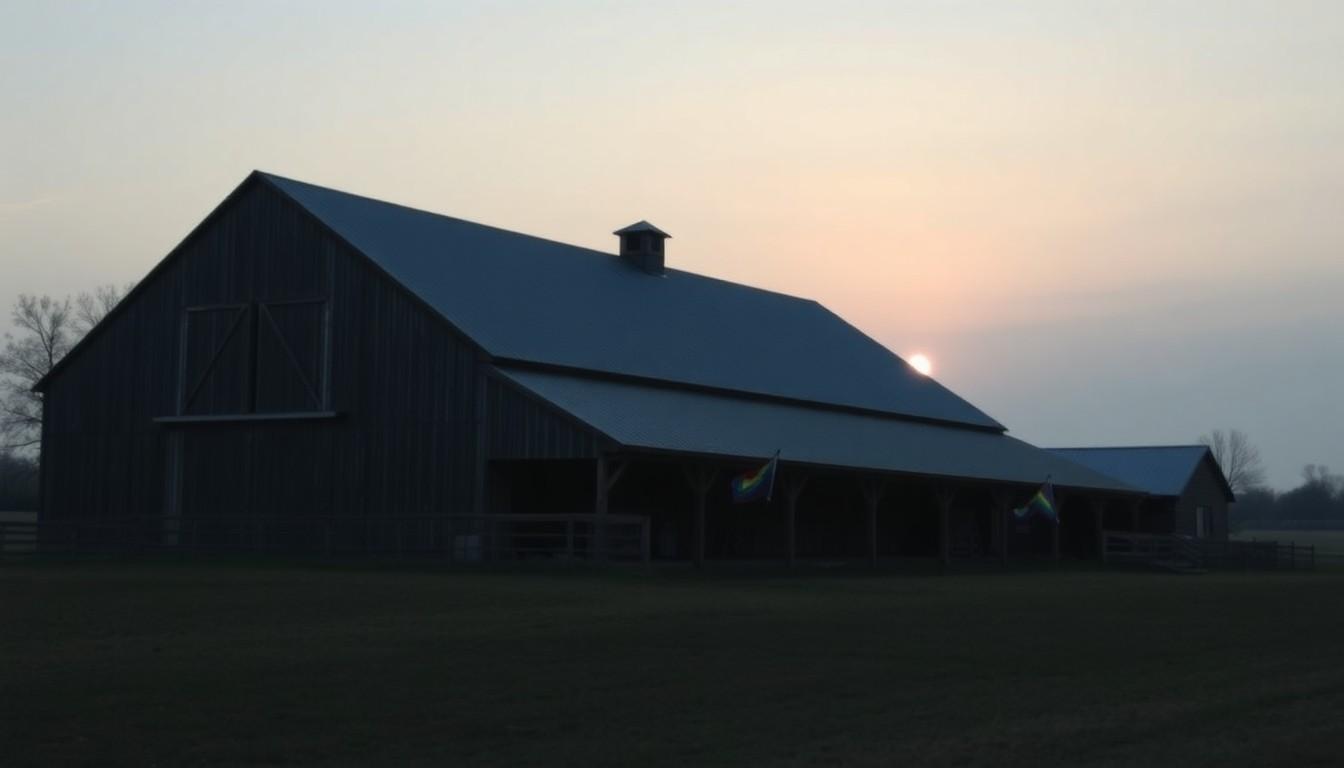
Shoppers, watchers and the farming community paused when a young creator hit ‘post’ during Pride , and the response shows why rural LGBTQ+ visibility still matters. Clifton Carpenter’s coming-out carousel with cows made people smile, sparked conversations and reminded us that representation can change lives, even on the farm.
Essential Takeaways
- Big reaction: Clifton Carpenter’s Pride post reached a wide audience and drew overwhelmingly positive messages, including from local farmers.
- Real concerns: He still faces negativity off-camera and says slurs and old attitudes persist in some rural settings.
- Authenticity wins: Carpenter plans to keep making farming content that’s true to him , animals, work and a bit of fashion.
- Practical message: His advice to young queer people: take your time, find a trusted person, and don’t dim your spark.
- Cultural nudge: Representation in agriculture matters because visibility chips away at stereotypes and isolation.
A simple post, a surprisingly big moment
When Clifton Carpenter decided to announce he was “officially a gay farmer boy” in a Pride carousel featuring calves, he thought he was marking a personal fresh start. Instead he found himself accidentally providing a face , and a voice , for LGBTQ+ people in a stubbornly traditional industry. The post felt warm and tactile; people replied with notes that sounded like hugs in text form, praising his honesty and cheering on the animals in the background. According to Attitude, Carpenter’s inbox filled with supportive messages from followers and local farmers alike.
Why it landed is straightforward: authenticity sells and humanity sticks. In a feed crowded with glossy influencer moments, a farmer and his cows felt refreshingly real. For young people in the countryside who rarely see queer role models, that visual reassurance matters.
Positivity online , but not the whole picture
The reaction on social channels was near-unanimous in support, Carpenter says, but he’s careful to point out that social media can flatten complexity. He has experienced negative comments and real-world slurs that he hasn’t fully unpacked publicly yet. That’s an important reminder: a viral, feel-good moment doesn’t erase the harder, quieter experiences people still face in some rural communities.
This split between public warmth and private difficulty is common in visibility stories. The applause helps, but it doesn’t substitute for cultural change or safety nets. Carpenter’s plan to eventually talk about the darker edges of his experience will be useful for anyone trying to understand the full picture.
Stereotypes shifting , slowly but visibly
Agriculture remains coded as male and straight, but that image is fraying. Carpenter points out that women have long been central to farming and that social media is finally giving those contributions recognition. His presence helps broaden that frame; seeing a gay man doing practical farm work nudges perceptions about who belongs in rural spaces.
For anyone wondering whether representation moves the needle: it does, incrementally. Each visible person makes the next one a bit easier. As Carpenter puts it, you don’t need to look, sound or act the same as everyone else to fit in , a tidy one-sentence challenge to stereotypes.
How coming out shaped his content , and why he won’t change
Clifton says he won’t alter his content to fit any label or audience expectation. He’ll keep posting milking clips, farm life, fashion shots and the odd laugh , all the ingredients that made people follow him in the first place. That decision matters commercially and culturally. Creators who lean into their full selves tend to build more resilient audiences, and authenticity often translates into longer-term trust.
If you’re a creator or someone thinking about coming out, his approach is clear: be yourself, not a curated idea of yourself. That’s sound advice whether you work on a farm, in an office, or in front of a camera.
Advice that actually helps: small steps for big change
Carpenter’s guidance for young queer people in rural areas is practical and humane. Start by working on your own wellbeing, he says; find a trusted friend or family member; practise saying the words out loud when you’re ready. He urges people not to rush or pressure themselves , timing matters and safety matters more. Those are small, real steps that can chip away at the fear isolation breeds.
His most poignant takeaway is how moving it was to get messages from people who still felt they couldn’t be open. That’s why one authentic Instagram post can mean more than applause: it can be permission and relief, offered without fuss.
It’s a small change that can make every day on the farm a little easier.
Source Reference Map
Story idea inspired by: [1]
Sources by paragraph: