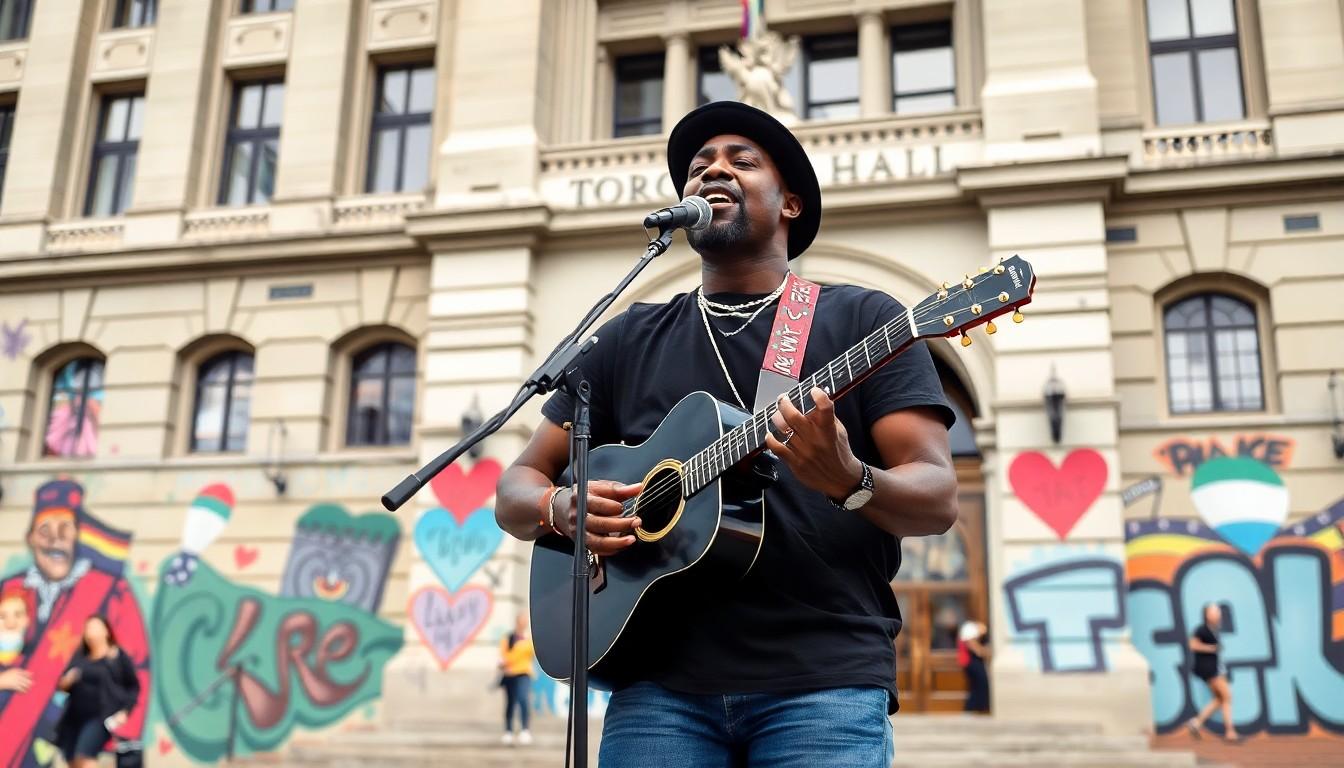
Shining from Mariental to Toronto, Lize Ehlers turned heads at Pride while arguing for Namibia to treat arts as an economic engine , a vivid reminder that culture, visibility and investment go hand in hand for creatives and queer entrepreneurs.
Essential Takeaways
- Big moment: Lize Ehlers marched and performed at Toronto Pride as an international ally ambassador, proudly carrying Namibia’s flag.
- Performance highlights: She sang her song “Change” at a community vow renewal and delivered a 30-minute set on Pride Toronto’s community riser.
- Queer visibility: Ehlers and Rodelio Lewis appeared in drag as DJ Rise Elders and Miss Mavis Dash, marching near national leaders and drawing attention to Namibian queer talent.
- Policy point: Ehlers urged Namibia to invest in its creative economy and open doors to queer-owned businesses to attract international partnerships.
- Personal note: She’ll be picking projects more carefully for the year and planning family time ahead of an October reunion.
A girl from Mariental took the front of the parade , and people noticed
There’s a particular thrill when a hometown artist walks ahead of thousands, flag in hand, and this trip to Toronto was exactly that for Ehlers. She described the moment as deeply emotional, the sort of vivid, public recognition that feels warm and loud at once. According to coverage, she returned as an international ally ambassador and performed at several high-profile events across Pride weekend.
That visibility matters beyond pageantry. For many Namibian creatives, seeing one of their own at a major global festival signals possibility , and it’s the kind of moment that can catalyse conversations about funding, collaboration and cultural exchange.
Performances that blended ceremony, community and pop
Ehlers didn’t just march; she performed. Her song “Change” featured at a community vow renewal marking 25 years of marriage equality, while she and Rodelio Lewis staged a 30-minute performance on a community riser. Lewis also lip-synced Beyoncé’s “Spirit/Bigger,” adding theatrical flair.
These moments show how artists translate personal narrative into shared experience. For those booking acts or curating festivals, her appearances are a reminder that a single artist can carry ceremony, activism and crowd-pleasing energy all at once.
Drag, diaspora and diplomatic rows: culture as soft power
Ehlers and Lewis embraced drag personae , DJ Rise Elders and Miss Mavis Dash , which broadened the idea of national representation. They marched directly behind Canadian leaders, a visual that fused queer performance with diplomatic visibility.
That juxtaposition makes a point: culture is soft power. When artists fly a flag at Pride, they aren’t just performing; they’re offering a version of their nation to the world. It’s a useful argument for governments and funders who still see the arts as optional.
Why Namibia should think of creatives as an economic sector
Ehlers used her platform to push a clear policy case: countries that invest in artists and build sustainable cultural partnerships see outsized returns. She suggested Namibia could attract more international investment by supporting queer-owned businesses and treating culture like an economic driver.
This isn’t just rhetoric. Industry figures and conversations in Namibia have recently revived debates about how public funding and corporate sponsorship could be structured to support festivals, galleries and creative SMEs. For arts managers and policymakers, the practical takeaways are simple: fund residencies, seed export-ready projects and back international networking trips.
How to support Namibian creatives (and what to look for)
If you want to help from home, consider these small, practical moves. Buy music and merchandise directly from artists, follow and share their work on social channels, and support queer-owned venues and online fundraising drives. For funders: think multi-year support rather than one-off grants, and include travel and export costs in budgets.
For artists, Ehlers’ approach offers a blueprint: carefully choose projects that build networks, balance touring with time for family and use high-visibility moments to press for structural change at home.
It’s a small change that can make every performance count.
Source Reference Map
Story idea inspired by: [1]
Sources by paragraph: