Shoppers, activists and city officials are still debating whether a piece of cloth belongs on lamp posts and crosswalks. Across the US, attempts to remove Pride flags and rainbow crosswalks have become a flashpoint , here's why it matters, who’s pushing bans, and what visibility really does for LGBTQ+ people.
Essential Takeaways
- What happened: State transportation officials and governors in several red states ordered the removal of rainbow crosswalks and flags, citing rules against “political” or “ideological” messages.
- Visible signal: Pride flags and painted crosswalks act as quick, readable signs that a place might be safer or more welcoming , they’re loud, colourful and emotionally resonant.
- Why it matters: Experts link attacks on flags to a broader authoritarian impulse to enforce sameness and erase public recognition of minorities.
- Local pushback: Activists and communities have repainted crosswalks and fought bans, arguing these symbols are about safety and belonging, not politics.
- Practical note: If you display a Pride flag, expect reactions , from cheers to vandalism , and consider visibility strategies like placement, weatherproofing and community support.
Bulldozers, memos and a very public erasure
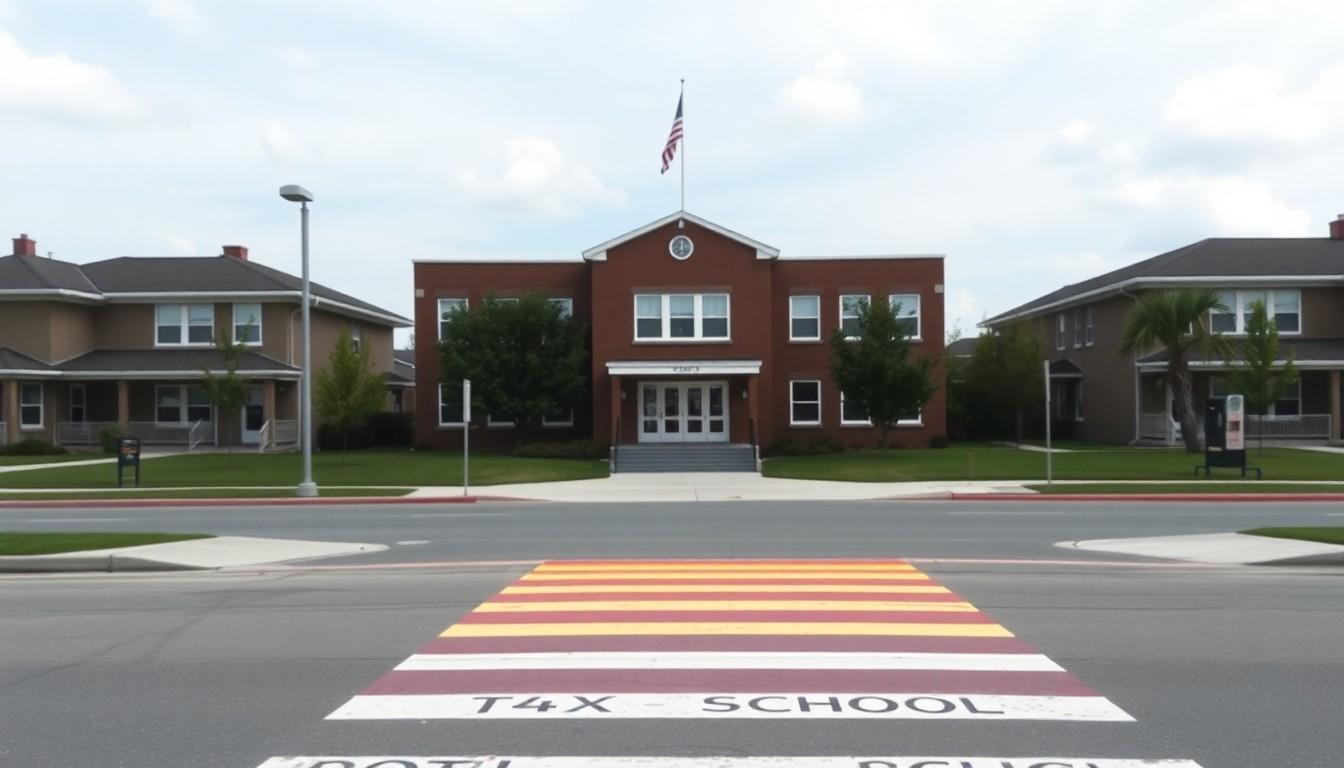
Last autumn, crews in Florida used heavy machinery and sledgehammers to remove a Pride-painted crosswalk in Miami’s South Beach, a stark, physical act that felt like more than maintenance. According to local reporting, the removals followed guidance from federal and state transportation officials claiming such pavement art was a “distraction.” The scene , bright paint scrubbed away , was visually jarring and, for many locals, felt like an intentional silencing.
This is not isolated. Axios and regional outlets documented similar takedowns in cities across Florida, and university towns have debated removing Pride crosswalks after commission votes. The machines and memos give a bureaucratic sheen to what community members experience as deliberate exclusion, and that gap between policy language and lived effect fuels anger and activism.
Flags as shorthand for safety and belonging
For queer people, a flag is more than decoration; it’s an immediate, human signal. Pride flags outside a café, a church, or a council building tell people they might be able to be themselves without constant fear. Survey data and advocacy groups link public affirmation , even symbolic , to better well‑being and a greater ability to participate in community life.
That’s why institutions flying flags draw attention: it’s not the fabric that offends critics so much as what the fabric stands for. When a city hall raises a rainbow, it’s an official nod to inclusion. For people who’ve learned to hide, that nod can feel transformative.
Why the right obsessively targets symbols
Political scientists and psychologists point to deeper dynamics behind flag bans. Research on authoritarian tendencies suggests a strong desire for uniformity and clear boundaries; visible markers of difference , like rainbow colours , can be perceived as threats to a preferred social order. Academic commentary has linked violent anti-LGBTQ+ behaviour to a policing of gender and sexuality norms, not mere personal dislike.
So removing flags becomes symbolic enforcement: take away the sign, and you erase the public claim to space. Conservatives who back these actions often argue they’re defending neutrality or public decorum, but critics say the efforts are selective. When governments ban Pride flags while leaving other symbolic displays intact, it reveals which forms of visibility they’re willing to tolerate.
Local law, national politics and the culture wars
The campaigns to remove Pride displays tend to follow a playbook: a state-level directive or legal change filters down to city streets, and local officials are left to decide between compliance, defiance, or legal fights. In several Florida cities, for instance, state transportation letters prompted the patchwork removal of painted crosswalks. Some municipalities complied; others resisted or repainted under community pressure.
Meanwhile, activists haven’t gone quiet. Videos and reports show volunteers repainting crosswalks and rallying neighbours, turning acts of removal into renewed organising. These grassroots responses transform what looked like a losing skirmish into a mobilising moment that draws attention, donations and local solidarity.
Practical advice: flying a flag without making yourself a target
If you want to show support but minimise risk, think tactically. Choose locations that are well lit and visible to community allies, use durable, weatherproof materials, and secure mounting to deter theft. Connect with local groups so displays are not isolated statements but part of a network , coordinated visibility reduces the danger for any one person or business.
And know the law where you live: public building rules differ from private property rights, so check local ordinances before putting anything on a council building or painted pavement. Community-led efforts to fund and maintain symbols tend to be safer and more sustainable than solo gestures.
What this fight tells us about belonging
At its heart, the backlash against Pride flags exposes an anxiety about who gets to be seen. A rainbow is simple, bright and unambiguous; for many it’s joyful, for some it’s threatening. That tension explains why a small, colourful object can prompt outsized political energy. The more public symbols of inclusion survive, the more ordinary visibility becomes , and the less it feels like an imposition.
It’s a fight that’s both symbolic and practical: reclaiming a flag or repainting a crosswalk is about dignity as much as policy. And whether you’re a business owner, an ally, or someone choosing where to walk home at night, those small acts of recognition still matter.
It's a small change that can make every street a little safer and a little more human.
Source Reference Map
Story idea inspired by: [1]
Sources by paragraph: