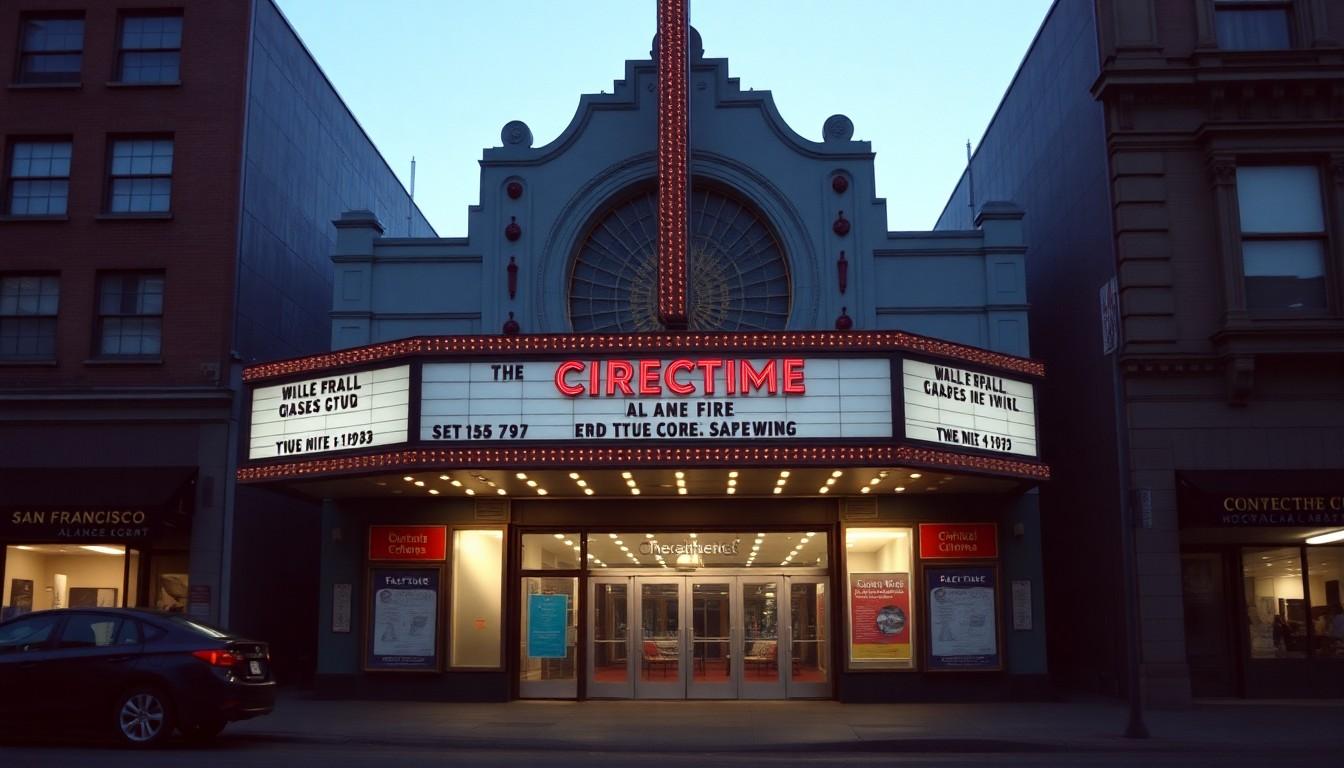
Shoppers are turning to smaller screens and cinema lovers are flocking back to theatre seats , queer film festivals across the US are expanding dates, hybrid access, and industry programming, giving LGBTQI filmmakers and audiences fresh chances to connect in person and online.
Essential Takeaways
- Wide selection: Major festivals like Frameline50, NewFest and Out on Film showcase hundreds of features, shorts, and documentaries across genres.
- Hybrid access: Many festivals now offer streaming windows alongside in-person screenings , great if you can't travel but want the program feel.
- Industry focus: Queer Film Summits, panels and grant programmes help emerging filmmakers build careers and networks.
- Trans and non-binary visibility: Several line-ups prioritise trans and non-binary stories, with dedicated awards and documentaries in the mix.
- Community ties: Local festivals maintain links to Pride events and grassroots partners, keeping screenings civic and social.
Why Frameline50 still matters , and smells like popcorn in Oakland
Frameline hits a milestone with its 50th edition, running across San Francisco and Oakland and bringing back the sparkle of a reopened Castro Theatre. The festival’s BAFTA-qualifying status and partnerships with awards bodies like the Iris Prize keep it on filmmakers’ radars, while the city venues give screenings a communal, celebratory buzz. Frameline’s mix of features, shorts and experimental work means there's always something surprising; if you care about queer cinema history and fresh voices, it’s an essential stop. And if you can't make the trip, the hybrid approach used by Frameline and others makes sampling programmes much easier.
Out on Film: deep roots in Atlanta with a professional turn
Out on Film marks another packed season, running late September into October and programming roughly 150 titles alongside a Spring Mini-Fest. The festival continues to accept submissions across categories and adds professional development via the Queer Film Summit, now in its third year. That combination of community screenings and roundtables means Atlanta attendees get both cosy Q&As and real networking , handy if you’re a filmmaker trying to pitch or a cinephile who likes post-show conversations. Check submission windows and rules in advance if you plan to enter work.
Frameline, NewFest and hybrid viewing , the festival that follows you home
NewFest in New York and Frameline in the Bay Area are two examples of festivals that no longer treat the theatre as the only home for queer films. Streaming windows and hybrid passes now sit beside in-person events, widening access for audiences outside major cities and allowing films to gather momentum before or after their festival premieres. For viewers, that means fewer FOMO moments; for filmmakers, it means broader exposure without sacrificing the buzz of a packed screening.
Regional hubs: TeaDance, Reel Affirmations and the volunteer spirit
Smaller festivals keep things intimate and local. TeaDance in Columbia times screenings with South Carolina Pride and prioritises direct filmmaker–audience contact via post-show Q&As. Reel Affirmations in Washington D.C. pairs its main slate with a companion Pride Film Festival and grant support for emerging directors, which helps sustain local talent. These regional events often rely on volunteers and community partners, and that grassroots energy makes screenings feel like proper neighbourhood nights out rather than corporate showcases.
OutfestNEXT and the LA pause , a different kind of focus
Los Angeles’s flagship festival is taking a pause this cycle, with OutfestNEXT stepping in as a concentrated alternative hosted at the LA LGBT Center. The shorter, venue-focused format tightens programming and concentrates filmmaker conversations and networking in one place, which can be more efficient for busy creatives. If you're in LA and miss the full festival scale, OutfestNEXT offers many of the professional benefits in a compact package.
The trends shaping programming , resilience, visibility and support
Across the calendar you'll see common themes: resilience and visibility headline many 2026 programmes, and festivals are edging further into explicit support for trans and non-binary storytellers. QFest St. Louis, for instance, foregrounds visibility through its OUT, LOUD theme and programmes documentaries that centre parents and families of trans children. Grant schemes, industry panels and year-round screenings show festivals are thinking beyond single-week events , they're building ecosystems that sustain queer cinema long term.
It's a small change that can make every screening feel a little more like home.
Source Reference Map
Story idea inspired by: [1]
Sources by paragraph: