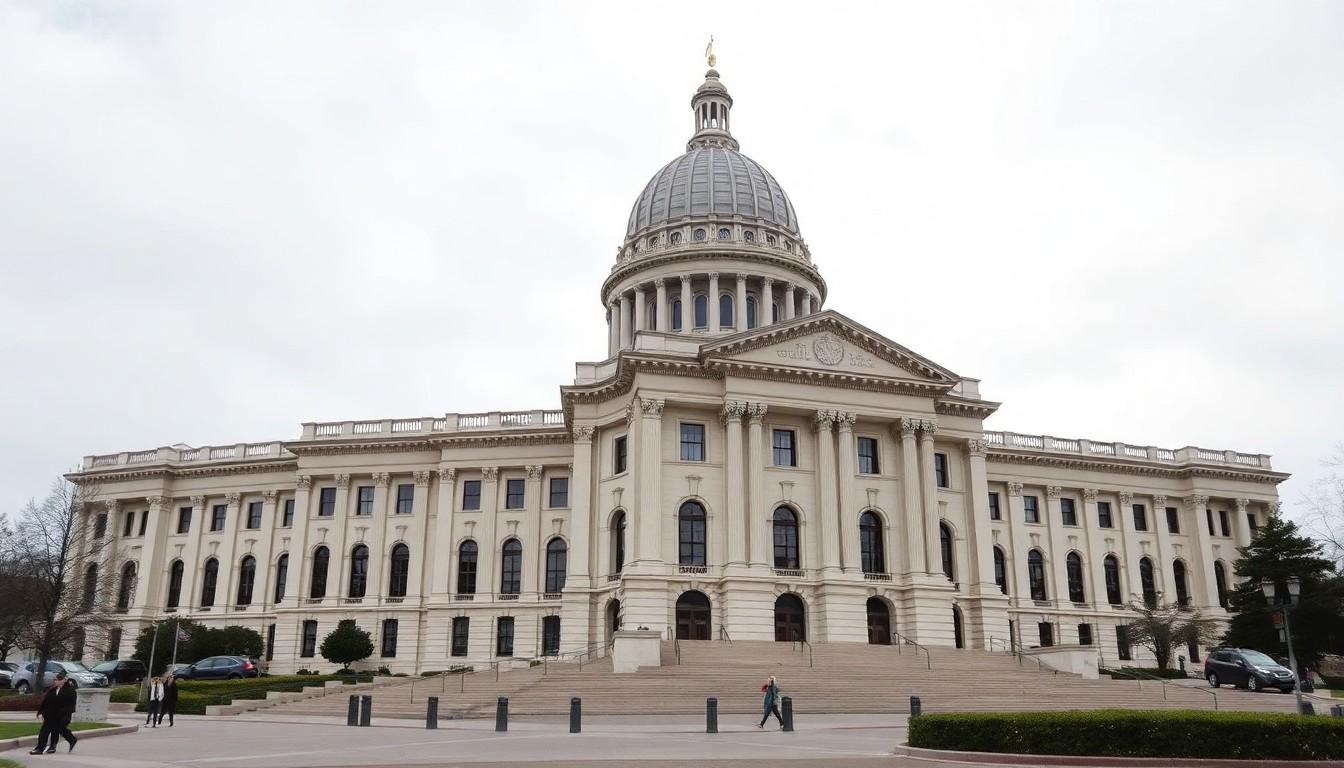
Watch closely: voters and activists are eyeing the LGBTQ Victory Fund’s slower-than-usual endorsement pace this year, as more than 260 out candidates run nationwide but only a handful so far have received the group’s backing in California , a development that matters for media attention, fundraising and who appears on November ballots.
Essential Takeaways
- Broad reach: Victory Fund endorsed roughly 267 out candidates nationwide as of early July 2024, showing continued momentum in LGBTQ political runs.
- California lag: Only 29 of those endorsed are contesting races in California, a smaller share than some activists expected.
- Bay Area focus: Several Bay Area incumbents and challengers , from San Francisco to the East Bay , have secured or are seeking endorsements; some won primaries outright.
- Expedited renewals: Victory Fund introduced an expedited process for incumbents seeking reelection, helping speed decisions for sitting officeholders.
- Competitive legislative picture: A mix of incumbents and first-time queer hopefuls remain in contention for state and federal seats that could expand the Legislative LGBTQ Caucus.
Why the pace of endorsements matters , and why folks noticed
The Victory Fund’s stamp carries more than a logo; it draws media attention, donor interest and other organisational endorsements, so its timing shapes campaigns’ momentum. People report a mild buzz and some frustration over fewer early endorsements in California, where competitive primary seasons often determine who gets a fundraising bump. For first-time candidates, a delayed nod can feel like a missed opportunity to cut through crowded fields.
Backstory: Victory Fund’s board meets monthly to vote on endorsements, and leaders say this cycle’s surge in candidate filings created a bandwidth crunch. That’s both a logistical headache and a sign of progress , more out people running for office.
Practical take: If you’re backing a newcomer, don’t rely solely on one endorsement; diversify outreach to local groups and small-dollar donors while waiting for national organisations to finalise their lists.
Who in the Bay Area has won , and who’s still waiting
Several Bay Area officials have already secured their spots for November, whether by running unopposed or winning primaries outright. Sonoma County Superintendent Aime Carter, Contra Costa Supervisor Ken Carlson and San Jose’s Anthony Tordillos were re-elected without contest, while San Francisco’s Scott Wiener and Phil Kim advanced on to the general election ballot.
Context: Those wins underline that local name recognition still counts. Meanwhile, some East Bay incumbents , Janani Ramachandran in Oakland and James Aguilar in San Leandro , are also in the running for full terms and have the sort of municipal profiles that often attract Victory Fund attention.
Practical insight: Local campaigns that combine community organising with targeted digital outreach tend to sustain energy while waiting for national endorsements.
The strategic shift: expedited support for incumbents
In response to heavy workloads and to ensure continuity, Victory Fund announced an expedited endorsement route for incumbents seeking re-election ahead of Pride Month. The move accelerated some decisions but left questions about non-incumbent challengers.
Why it matters: Incumbent-friendly speed can stabilise seats the community already holds, but it also raises concerns about visibility for first-time candidates who might change the caucus’s composition.
Advice for activists: Advocate for transparent timelines from endorsing organisations and push for clearer criteria so challengers understand the process and can plan fundraising accordingly.
Competitive state legislative races to watch in November
A handful of queer challengers and incumbents are in tight contests that could reshape California’s Legislative LGBTQ Caucus. Annalisa Perea in Fresno and Clarissa Cervantes in Riverside both led their primaries and are seen as strong November contenders. Matthew Adams , seeking to be the first asexual legislator , faces an uphill race in a GOP-held district.
Trend note: Victory Fund backed only a subset of out non-incumbents before the primary, mainly in Los Angeles County. That selective early support reflects a strategy of focusing resources where pickup odds look best, but it also leaves some promising candidates waiting.
Practical tip: Voters in these districts should check ballot guides and local endorsements; a grassroots phonebank or community canvass can tip close races more than waiting for national ads.
What this means for national politics and the next steps
Victory Fund reported dozens more endorsements in early July, though none were for California that week, so the picture is still evolving. Evan Low, the group’s president and CEO, acknowledged delays but framed them as growing pains tied to an uptick in LGBTQ candidacies nationwide. Organisations like the Human Rights Campaign and state legislative caucuses continue to coordinate endorsements that could complement Victory Fund moves.
Outlook: Expect more endorsements to drop after primaries conclude and as fall fundraising ramps up. For candidates, the best plan is to keep building local momentum, engage small donors, and make a compelling case to national groups when they come calling.
It's a small change that can make every endorsement , and every vote , count.
Source Reference Map
Story idea inspired by: [1]
Sources by paragraph: