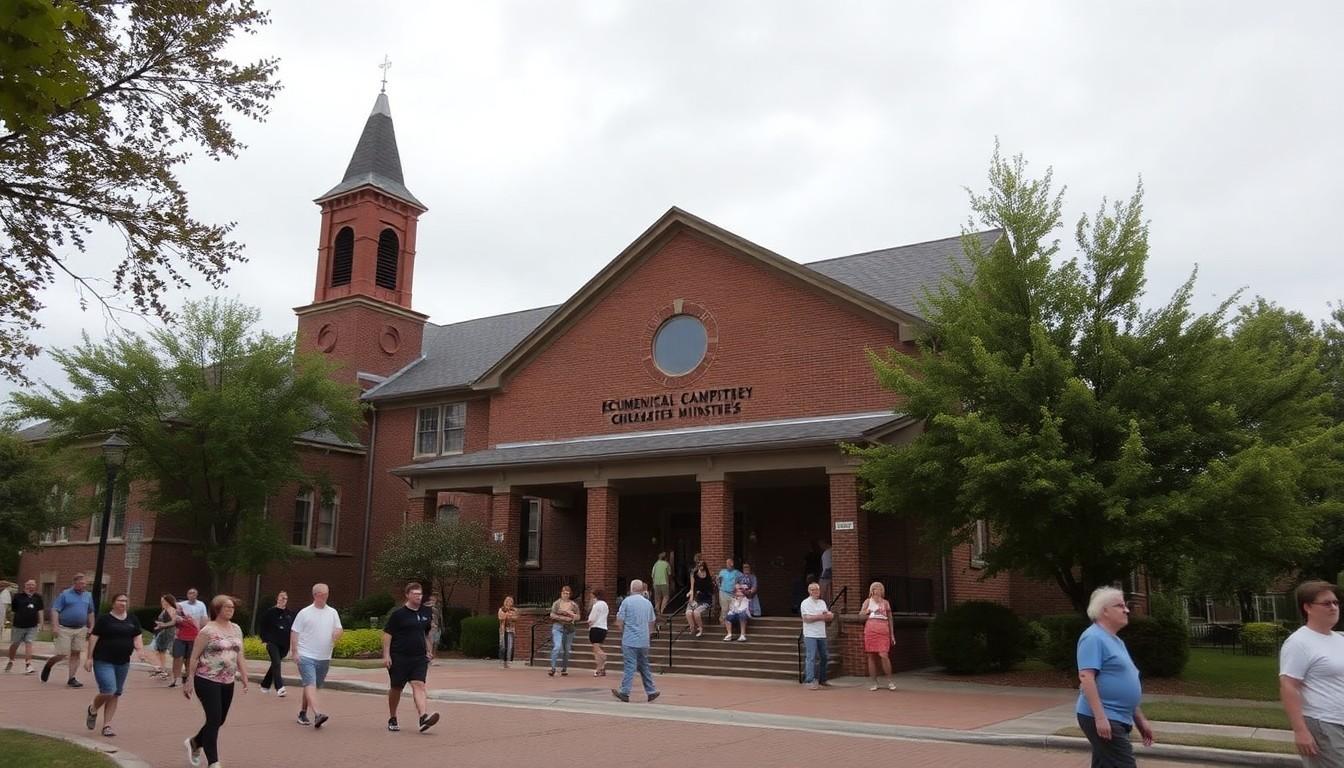
Shoppers for stories and neighbours alike are gathering in Lawrence for a lively Queer History Social this Saturday , free food, cocktails, and first‑hand memories of campus activism that matter to anyone curious about local LGBTQ+ roots.
Essential Takeaways
- When and where: The social runs 6 p.m. Saturday, July 11 at Ecumenical Campus Ministries, 1204 Oread Ave, and it’s open to the public.
- Speakers to watch: Kathy Rose‑Mockry, Lee Hubbell and Ruth Lichtwardt will share personal histories and context about KU‑era activism.
- What to expect: Short talks, Q&A, free food and drinks , a mix of oral history and social time with a warm, reflective vibe.
- Why it matters: These local stories connect campus organising in the 1970s to today’s community networks and mutual aid work.
- Practical note: The event is hosted by the Trans Liberation Front (formerly the Trans Protection Party); RSVPs are encouraged.
A night that feels like sitting round a kitchen table
There’s something quietly convivial about an event that pairs free cocktails with oral history; expect chatter, laughter and a few moments that land heavy. The Trans Liberation Front , a local mutual aid group that changed its name from the Trans Protection Party , is organising the social to centre Lawrence voices and memories. For those who remember campus protests and the slow, fraught climb towards recognition, this will feel like homecoming with refreshments.
Why the 1970s still matter in Lawrence’s queer story
Kathy Rose‑Mockry will discuss her book, Liberating Lawrence, which gathers gay activism on and around the University of Kansas in the 1970s and places student stories at the centre. According to publisher listings, the book pulls together archival work and interviews that make the era vivid again. Those years set foundations for later services and organising, so hearing from people who were there brings the dry facts to life , you can almost smell the paper of flyers and the sweat of meetings.
First‑hand voices: activists and organisers at the mic
Lee Hubbell, a former member of the Lawrence Gay Liberation Front, and Ruth Lichtwardt, who once directed Gay and Lesbian Services of Kansas, will join Rose‑Mockry. That trio mixes grassroots protest experience with NGO‑style community support, so expect a range of perspectives: the urgency of early direct action, the slow building of services, and the messy politics between them. Events like this show how small groups can grow into mutual aid networks that still matter today.
How this ties into broader archival and academic work
Local reunions and readings like this connect to a wider push to preserve queer student histories; libraries and university projects have been collecting oral histories and student publications for years. Academic coverage on campus activism underscores how student movements spread tactics and cultural change across regions. If you’re curious, follow up with local library collections or the book’s references to dig deeper , it’s a good way to map one person’s story onto the larger movement.
Going along: tips and what to bring
Turn up early if you want a front‑row seat for the talks, and bring a friend , conversations often continue long after the formal programme ends. RSVP if you can, so the hosts can plan food and drinks. And if you’ve got a personal memory or scrap of ephemera , a flyer, a photograph , consider sharing it; events like this thrive on community contributions and the gentle hum of shared memory.
It’s a small evening that helps stitch local history into the present, and your neighbour’s story might be the most surprising part.
Source Reference Map
Story idea inspired by: [1]
Sources by paragraph: