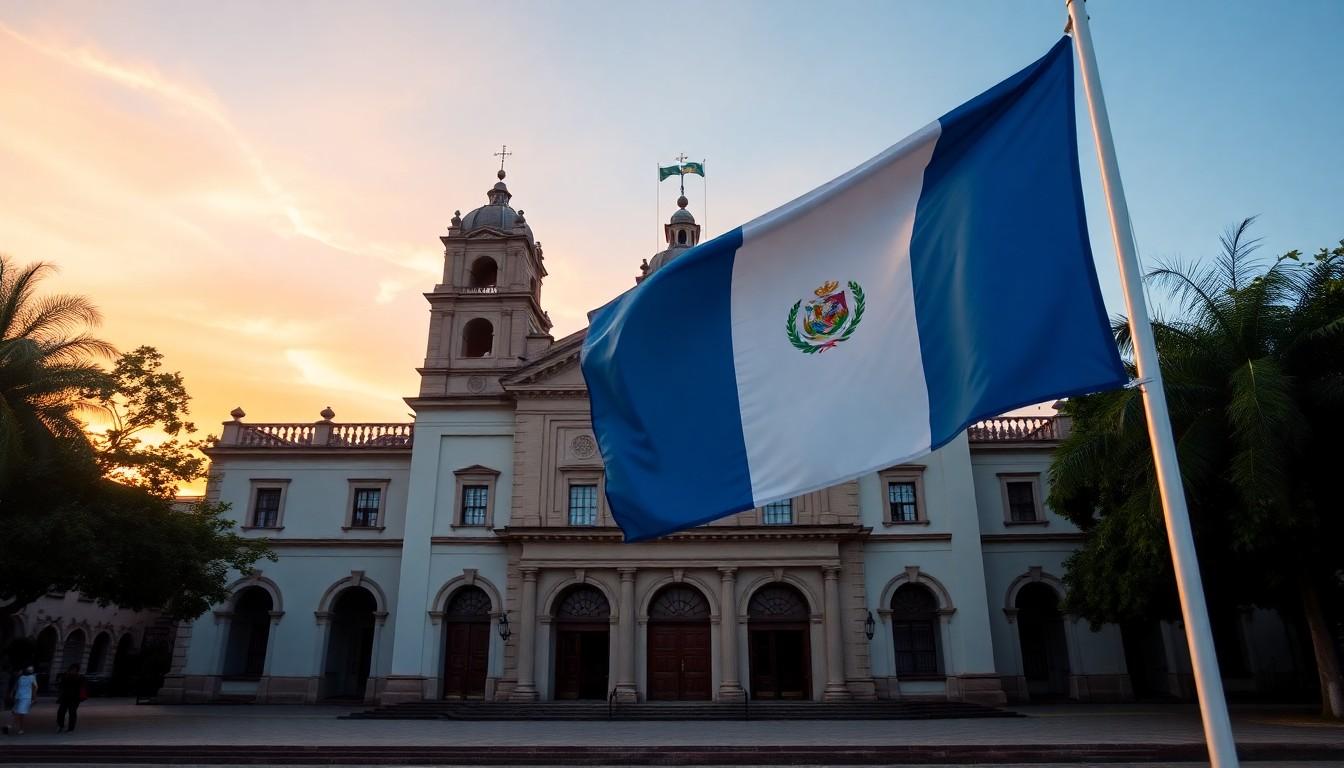
Shouting, smiling and holding bold placards, two Guatemalan athletes used the Gay Games opening ceremony in Valencia to push back against anti-LGBTQ moves at home , a vivid act of visibility that matters for kids, tourists and anyone who cares about human rights in Central America.
Essential Takeaways
- Historic visibility: Two Guatemalan athletes marched in the Gay Games Parade of Nations, likely the first Guatemalan delegation to do so, and used the moment to protest local anti-LGBTQ actions.
- Local clash: Antigua Guatemala’s mayor sought to stop the city’s first Pride march, moving it out of the historic centre and prompting heavy policing of a defiant, marginalised demonstration.
- Why it matters: Guatemala lacks comprehensive anti-discrimination protections and ranks low on regional LGBTQ equality indexes, so symbolic acts abroad carry political weight at home.
- Practical advice: Visitors to Antigua can support change by booking with LGBTQ-owned hotels, cafés and guides; small choices send money and visibility to local communities.
They marched so kids back home could see themselves
The strongest image from Valencia was simple and sharp: two friends in their national kit, holding signs that turned slurs into slogans and laughed in the face of silence. Outsports reported that Juan Mejia and Marcial Diaz weren’t there just to compete, they were there to be seen, and the sensation of pride was almost tangible. That kind of visibility can feel warm and rare for people who’ve learned to hide.
Guatemala’s conservative politics and influential Christian groups mean public queer life is often risky. According to human-rights trackers and regional comparisons, the country lags behind neighbours on legal protections and social acceptance. So when athletes take a stage like the Gay Games, it’s more than spectacle , it’s political theatre with real emotional payoff for those who’ve never seen themselves reflected.
If you’re wondering why a sporting moment matters, think about the kid who never joined a team because they didn’t think sport was for someone like them. These are the kinds of lives small acts of visibility hope to nudge.
The mayor, the court and a Pride moved to the margins
A week before Valencia’s opening, Antigua Guatemala’s first planned Pride march hit a major roadblock when Mayor Juan Manuel Asturias asked a court to halt the parade through the city centre. Local reporting and Spanish-language outlets documented the legal move and the controversial decision that followed: judges agreed to move the march out of the historic heart of the UNESCO-listed town.
Residents and organisers defied the ruling and marched anyway, but the event was heavily policed and pushed to the edges of the city’s social life. Plaza Pública and regional reporting framed the mayor’s intervention as part of a wider pattern of authoritarian decisions aimed at culture and civic space. For a town used to welcoming tourists, the shift felt like a return to caution and calculation.
The politics are raw: Asturias is running for re-election and, in the words of those involved, used the controversy to rally conservative voters while casting queer people as convenient scapegoats.
Why the Gay Games stage was the perfect platform
Sport has this useful quality: it gathers attention without always being explicitly political, which makes protest there both surprising and effective. Juan and Marcial competed , in CrossFit, swimming and wrestling , and then used their presence to spotlight a story that might otherwise have stayed local.
Outsports quotes make clear they wanted to send a direct message to gay kids, trans people and couples who can’t hold hands without fear. There’s also a strategic ask: they urged Guatemalans and Central Americans who’ve avoided teams to try sports as a route to belonging. It’s a subtle shift from confrontation to invitation, and that helps broaden support.
Looking ahead, they hope to grow a larger Guatemalan delegation for the next Gay Games in Perth in 2030 , a practical, long-term plan to keep the spotlight on homegrown change.
How tourists and allies can turn sympathy into support
You don’t need to be an activist to make a difference; your booking choices matter. Juan and Marcial specifically asked tourists to use LGBTQ-owned hotels, cafés and tour guides in Antigua Guatemala. That’s a small, immediate way to channel money to people who are working on the ground, and it’s a signal that the town’s queer community is worth protecting.
If you want to do more: amplify stories from Guatemalan organisers on social media, support NGOs working on legal protections, and consider travel organisations that partner with local queer businesses. Even a single booking or share can nudge local attitudes, especially in a place as tourism-dependent as Antigua.
What this moment signals about sport, rights and the region
Guatemala’s case shows an uncomfortable truth: legal tolerance isn’t the same as social acceptance, and visibility abroad can outpace reform at home. The country’s low ranking on equality indexes and the absence of anti-discrimination laws mean that symbolic acts , like marching in Valencia , carry outsized influence.
Still, there’s cause for quiet optimism. The athletes’ message was practical and hopeful: show up, play, and be part of the change. If enough people take that advice, the next Gay Games might see a much larger Guatemalan flag in the Parade of Nations , and a little less need for protest.
It’s a small change that can make every cheer and every photo matter.
Source Reference Map
Story idea inspired by: [1]
Sources by paragraph: