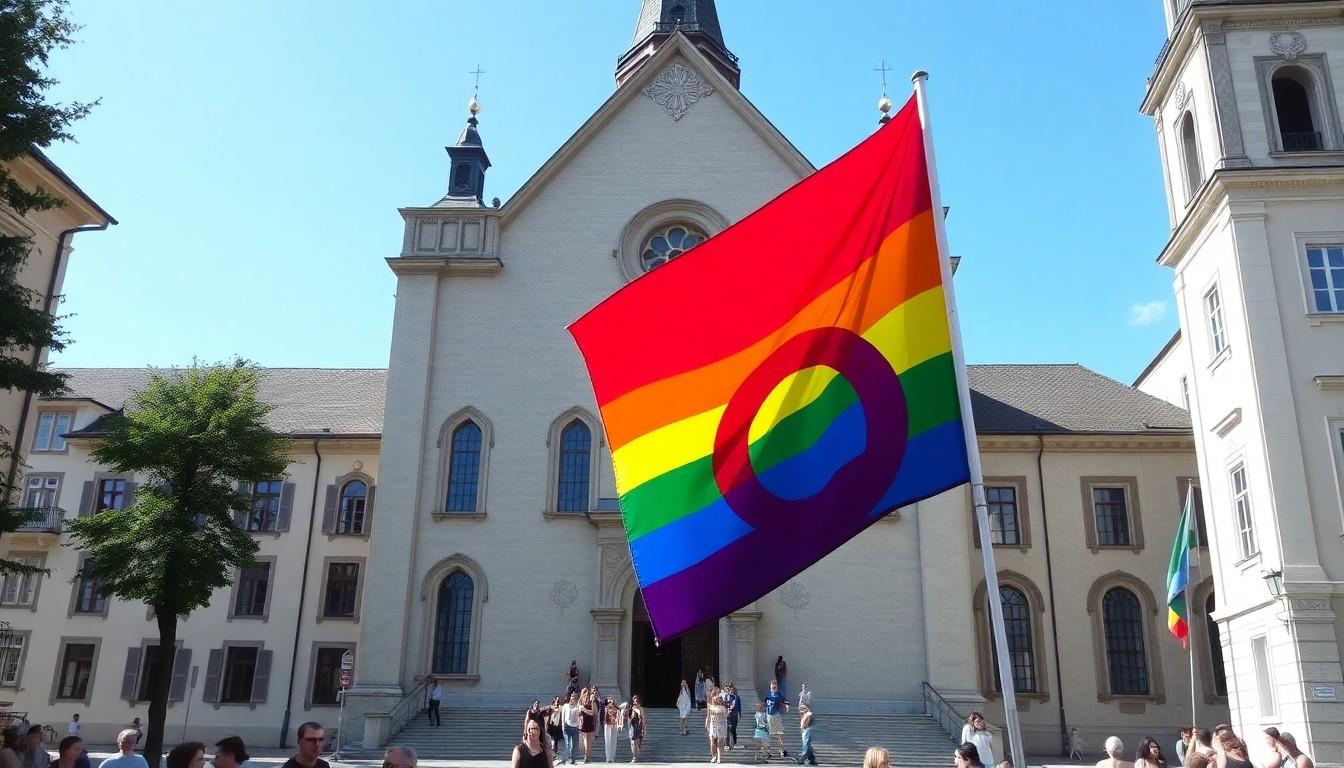
Shoppers and parishioners alike have noticed a new, visible pastoral shift: the Diocese of Gurk-Klagenfurt publicly backed Villach’s first Pride Parade, sending clergy and its Rainbow Pastoral Ministry to join prayers, a parade presence and a youth-facing outreach that matters to local communities.
Essential Takeaways
- Public support: The Diocese of Gurk-Klagenfurt openly participated in Villach’s Pride events with a prayer service and a parish booth.
- Rainbow Pastoral Ministry: The diocese runs a dedicated “Rainbow” ministry aimed at inclusion, worship design and visible solidarity with LGBTIQ* people.
- Youth involvement: Youth ministry leaders staffed a stall at the Pride Village and the event was organised by a youth group with ties to Catholic youth networks.
- Pastoral emphasis: The diocese promotes welcoming language, “You are you”, and calls for Christian communities to reflect diverse identities in worship.
- Leadership notes: The diocese operates under Bishop Josef Marketz, who has previously signalled support for expanded roles for women and blessings for same-sex couples.
A visible pastoral presence: prayer, parade and a parish booth
The strongest image from Villach was simple and public: clergy and the diocesan Rainbow team hosting a prayer service at St Michael’s Chapel before joining Pride activities, a quiet gesture with a colourful backdrop. According to the diocese, that same team and the youth office were visible at the subsequent Pride Village with an information stall, signalling an outreach that mixes prayer with presence. For locals this felt both pastoral and political, a church that wanted to be alongside people rather than apart.
This kind of visibility has practical effects: it offers an accessible space for people who may feel marginalised and it places the diocese within civic conversation about identity and belonging. If you’re wondering what to expect at similar church-led initiatives, think low-key liturgy, informational resources and a genuine attempt to meet people where they are.
What the Rainbow Pastoral Ministry actually says
The diocese’s Rainbow Pastoral Ministry is more than a slogan; its web pages set out goals such as using rainbow colours on church buildings, holding blessing ceremonies and asking how Christian communities can become more open to diverse identities. Those lines are phrased as pastoral outreach, an attempt to reduce marginalisation within church life and provide support for queer people and their families.
That framing shifts the debate from doctrine to practice: it asks how worship, events and parish life can reflect lived realities. For anyone assessing the ministry, the point to watch is whether this leads to long-term pastoral care and structural inclusion, or remains symbolic gestures around particular events.
Youth-led Pride and diocesan participation: why it matters
Villach’s parade was organised by a youth group with existing ties to Catholic youth organisations, which helps explain why the diocesan youth office was present. The Youth Ministry’s involvement, staffing a booth at the Pride Village, signals a strategic focus on young people and on pastoral relationships that start early.
From a practical standpoint, youth-facing outreach changes who the church talks to and how: workshops, peer support and visible parish contact can be a gentler bridge than formal policy debates. Parents and youth workers watching this trend should note how local parishes might offer safe spaces, information and signposting to support services.
How this fits with diocesan leadership and wider church tensions
Bishop Josef Marketz, who oversees the diocese, has previously expressed support for female deacons and blessings for same-sex couples, so this visible backing of Pride events sits within a broader pattern of pastoral openness. That stance places the Gurk-Klagenfurt diocese among contemporary dioceses experimenting with inclusive practices, even as it sits uneasily with more traditionalist readings of Catholic teaching.
Observers should expect conversations to continue: some parishioners will welcome the pastoral shift, others will voice concerns about doctrine. Either way, the diocese’s choices will likely deepen local debate about how belief and belonging meet in parish life.
Practical tips if you’re curious or cautious
If you want to engage with similar parish initiatives, start small: attend an open event, speak to youth ministers, or ask about the concrete pastoral services on offer. If you have doctrinal concerns, request clear explanations from parish leadership about the aims and boundaries of any Rainbow ministry. For families, check how events are framed for children and whether pastoral care networks are available.
Above all, look for continuity: occasional gestures matter, but lasting pastoral support shows up in regular groups, trained staff and signposted services.
It's a small change that can make every parish encounter feel more purposeful.
Source Reference Map
Story idea inspired by: [1]
Sources by paragraph: