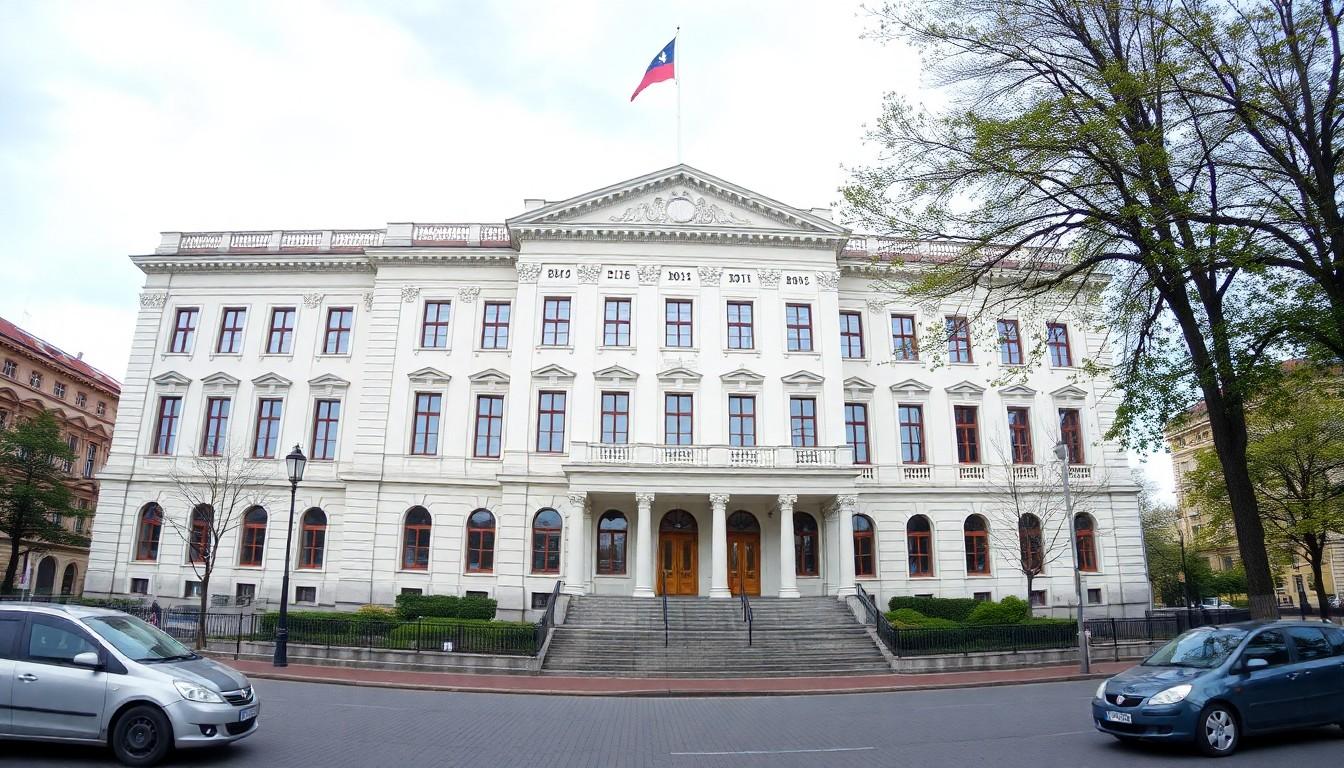
Shoppers for rights, activists and the public rallied online as the 2026 "Homophobe of the Year" anticategory revealed its winner , a bloc of 90 Slovak MPs who supported a constitutional amendment. The vote highlights public outrage, the activists’ plan to deliver the prize in person, and what it means for LGBTI rights ahead of elections.
Essential takeaways
- Public-led verdict: A public online poll run by Inštitút ľudských práv and Dúhové Slovensko named the 90 MPs as the top nominee, reflecting strong public engagement.
- Why they topped the list: These MPs voted for a constitutional change critics say restricts adoption and education rights for LGBTI people.
- Organisers’ response: Activists plan to hand over the anticenа to all 90 MPs in person, signalling a confrontational but civic approach.
- Broader impact: Organisers warn the amendment institutionalises discrimination and say the result may influence voter sentiment in upcoming parliamentary elections.
A dramatic win: 90 MPs take the anticenа and why it matters
The most striking result from the 13th Homophobe of the Year poll was not a single name, but a group: 90 members of the National Council who backed the constitutional amendment. The choice carries a sharp, public sting , the collective nomination suggests many voters see the law as a systemic problem, not just isolated comments or incidents. According to campaigners, the amendment tightens rules around who may jointly adopt a child and affects school-related provisions, sparking fears among LGBTI advocates.
Organisers at the Inštitút ľudských práv and Dúhové Slovensko framed the result as predictable given the pattern of nominations during the public phase. They argue the constitutional tweak turns what should be a neutral civic document into one that effectively discriminates, and their reaction has been to raise the profile of advocacy work. For readers, it’s a reminder that legislation aimed at "family values" can have real consequences for everyday protections and access to services.
Public mobilisation: how the vote unfolded and what it says about civic energy
The poll was open through the institute's website, letting citizens nominate and vote, which organisers say drove the overwhelming lead for the MPs. That public mobilisation , people clicking, sharing and responding , is itself newsworthy; it shows a lively civic response to a policy debate many feel strongly about. Organisers welcomed the engagement and said it demonstrates a surge of opposition to the amendment.
This kind of grassroots participation often signals more than immediate anger: it can reshape campaigns, influence party messaging, and nudge voters at the ballot box. If the public reaction translates into electoral shifts, parties that championed the amendment could find their support eroded, particularly among younger or urban electorates.
The amendment’s concrete effects: adoption, schools and everyday life
Campaigners have pointed to two main areas affected by the amendment: adoption rules and education. By restricting joint adoption to married couples, critics argue the change cuts out many stable caregiving arrangements and leaves children and prospective parents in legal limbo. In schools, the amendment is seen as opening doors to curricula or policies that marginalise LGBTI students.
For parents, teachers and social-work professionals, the practical advice is simple: check how the new text will be applied locally, seek clarifications from authorities, and, if needed, consult legal counsel or advocacy groups. Activists warn that absence of vigilance means policy shifts can quietly reshape services and protections before most people notice.
The organisers’ tactics: handing over a symbolic prize in person
Organisers plan to physically deliver the anticenа to each of the 90 MPs , a deliberate choice that mixes theatre with accountability. Past recipients have sometimes accepted the prize, opened a dialogue and even revised their public remarks; in one earlier case a recipient later said he had adjusted some statements after meeting activists. This time, activists seem bent on keeping pressure high and making the political cost visible.
That approach is part accountability, part outreach: it forces a public conversation and gives MPs a chance to respond. For readers, it’s a good example of how civic groups use symbolism to maintain momentum and to turn abstract policy into a tangible public story.
What next: politics, activism and the run-up to elections
Organisers say the anticenа result could spill into the parliamentary vote, with early indicators hinting at shifting party fortunes. They noted that some parties that backed the amendment might face tougher prospects, and public sentiment could reshape campaigning in key constituencies. Meanwhile, the Inštitút ľudských práv says it will ramp up LGBTI-focused work, buoyed by a recent association with the global ILGA network.
So watch this space: activism, public opinion and electoral politics are now intertwined around the issue. For anyone following rights, families or education policy, the coming months will show whether public outrage over the amendment nudges law and politicians back toward more inclusive approaches.
It's a small but visible way for voters and activists to hold decision-makers to account.
Source Reference Map
Story idea inspired by: [1]
Sources by paragraph: