Discover lively, proud and provocative queer art in Amsterdam this summer; visitors are flocking to museums and galleries showcasing historic queer faith, erotic ceramics, nostalgic club photography and stories of love and loss, and these shows matter because they map community, memory and celebration.
Essential Takeaways
- Historic focus: Ons Geloof is Liefde traces the Lutheran queer community from the 1950s to today, mixing archive material and contemporary art.
- Provocative ceramics: Chris Rijk’s If You Read This You Are Gay riffs on Delftware with bold erotic humour and macho imagery.
- Club culture in photos: The Sinful Son’s Polaroids capture the sweaty, colourful energy of European queer nightlife, vital and intimate.
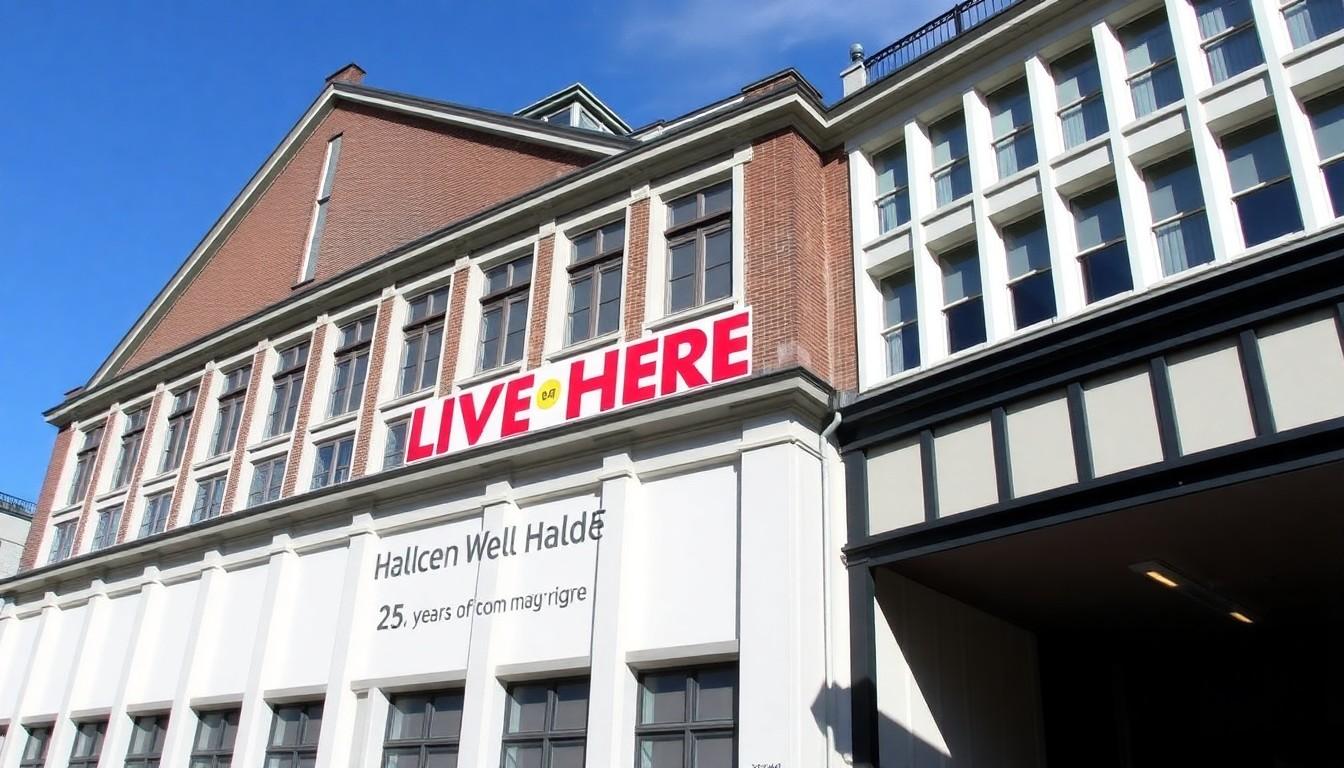
- Anniversary portraits: Love Lives Here marks 25 years of equal marriage in Amsterdam with portraits of seven queer couples, including early pioneers.
- Memory and mourning: Mijn Broer revisits the artistic legacy of Bart Davidse through a documentary about family, art and AIDS-era loss.
Ons Geloof is Liefde: queer faith with a beating heart
Start with history that feels immediate and human: Ons Geloof is Liefde at the Luther Museum shows how a small Lutheran queer community carved out space from the 1950s onwards, and the exhibition smells faintly of old paper and incense , touching, oddly comforting. According to museum listings, the show combines archival material with eight contemporary artists exploring “queer futurity,” asking how queer lives reimagine faith and society. This isn’t dusty church history; it’s an argument that queer spirituality has long been part of Amsterdam’s social fabric. If you’re choosing an offbeat cultural stop, pick a morning visit when the light through the windows softens the displays. Expect texts, photos and artworks that invite quiet reflection; it’s especially relevant if you’re curious about how religious spaces and queer identities overlap and evolve.
If You Read This You Are Gay: ceramics that wink and roar
If you like your art to nudge and provoke, Chris Rijk’s solo show at Rademakers Gallery is a delightfully brash take on masculinity. He recasts classic Delftware motifs into hypermasculine, tattooed figures , the pieces look polished but the messages are playful and pointed. Press listings tie the exhibition to World Pride activity, so there’s a celebratory crowd and an atmosphere that’s part salon, part party. It’s a smart bit of cultural remix: traditional craft meets camp desire. Tip: this show photographs well, but mind reflections on glossy glazes. If you enjoy art that pairs craft skill with eyebrow-raising content, add it to your gallery crawl.
Dance Like No One Is Watching: costumes, confidence, freedom
Across town, group shows such as the one curated by Ravestijn Gallery pivot on joy and transformation. Joel Quayson’s pieces about costume and identity underline how clothing can liberate mood and presence , you can almost feel the fabric swish as dancers reclaim themselves. The exhibition title says it all: these works celebrate shedding expectations and moving like the room isn’t judging. It’s a mood lift, and a reminder that queer art often foregrounds the body and performance. Go if you want something upbeat between deeper museum stops. Bring an open mind; the work is as much about play as it is about politics.
Beautiful Creatures: club photography as collective portrait
The Sinful Son (Peter van der Wal) uses vintage Polaroids and flashes to bottle club nights , faces lit in split seconds, sequins and sweat rendered tactile. The images feel immediate; you can almost hear the bass. Melkweg Expo frames these photos as a portrait of an international queer community at its most alive. It’s nostalgia without syrup: gritty, ecstatic and affectionate. For photographers and club-goers alike, the show is a reminder of the social importance of nightlife , a place for identity, solidarity and joy. Best enjoyed in the evening, when the subject matter aligns with your own rhythms.
Love Lives Here and Mijn Broer: love and legacy
Two quieter but essential shows travel different emotional registers. Love Lives Here at De Hallen marks 25 years of equal marriage in Amsterdam through Laurien Riha’s portraits of seven couples; the images read as tender civic history. Meanwhile, Mijn Broer, a film about Bart Davidse shown at the HIV Vereniging building, revisits an artistic life lost to AIDS and the complicated inheritance that followed. It’s a sobering, humane counterpoint to the city’s festival atmosphere. Together these works remind you that celebration and remembrance are part of the same story. If you plan visits, slot the documentary into a slower day and pair portraits with a walk through local archives or plaques.
How to plan your queer art crawl
Map shows by neighbourhood and opening times, mornings for museums, evenings for club photography, so you avoid rushing and get the best light. Buy tickets in advance for popular gallery nights and check whether talks or performances coincide with your visit. Wear comfortable shoes, and leave time to sit in a café and let impressions settle. If you’re visiting with friends, pick one major exhibition and two smaller shows to keep the day balanced. And if you want souvenirs, look for catalogues or prints; many artists and galleries sell limited-edition pieces that double as keepsakes.
It's a small cultural season that mixes pride, provocation and personal memory , pick your favourites and make a day of it.
Source Reference Map
Story idea inspired by: [1]
Sources by paragraph: