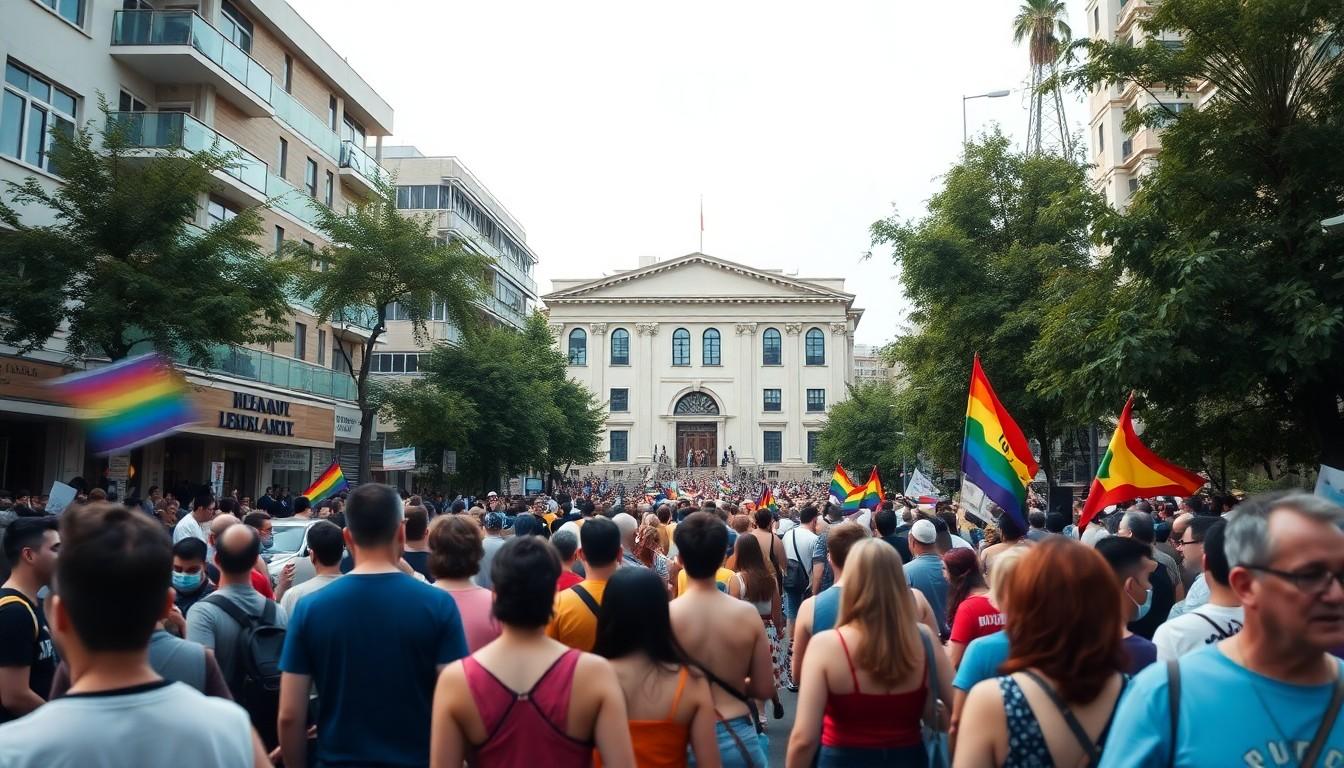
Notice how solidarity slogans travel fast, but the lives they claim to protect are often left behind; activists in Western cities rally for Palestinian rights, yet queer Palestinians face real danger under armed groups and conservative authorities , here’s why critics say solidarity must include honest attention to queer lives and how to make it meaningful.
Essential Takeaways
- Contrast matters: Israel hosts visible queer public life, while Gaza and parts of the West Bank offer little safety for LGBTQ people.
- “Pinkwashing” debate: Accusations that Israel exploits gay rights to distract from Palestinian suffering are contested and often oversimplify reality.
- Real harm to queer Palestinians: Persecution, family coercion and legal vulnerability persist in Palestinian territories; solidarity needs to acknowledge that.
- Practical solidarity: Support should include funding queer Palestinian groups, amplifying local voices, and opposing all groups that target LGBTQ people.
- Democratic nuance: Defending queer rights means criticising governments where needed while recognising hard-won freedoms where they exist.
Why the slogan “Queers for Palestine” rings hollow to some queer Palestinians
The image of a bright protest placard is emotionally powerful, but it can mask a stark sensory reality: in much of the occupied territories, living openly as queer is dangerous. The Guardian and other outlets have documented how queer Palestinians face family pressure, legal uncertainty, and threats from armed groups. That contrast , visible Pride parades in Tel Aviv beside silence or repression in Gaza , is what drives the critique.
Historically, queer public life in Israel grew from sustained activism, legal challenges and democratic contestation. Those who criticise “Queers for Palestine” argue that solidarity that ignores these facts ends up erasing the very people it claims to champion. Practical solidarity, by contrast, starts with listening to queer Palestinians themselves.
What people mean when they say “pinkwashing” , and why it’s contested
“Pinkwashing” has become shorthand for the claim that a state promotes LGBTQ freedoms to gloss over other human-rights abuses. Academic work and activists have popularised the term to challenge simple PR narratives. But the label also simplifies complex realities: Israel does have public queer culture and legal protections that simply don’t exist in neighbouring territories, and dismissing those gains as mere propaganda can be insulting to people who fought for them.
Observers from different publications have highlighted this tension: accusing a country of image-manufacturing can be a legitimate critique, yet it mustn’t erase the lived victories of local queer communities. A more useful debate separates marketing from substance, so you can criticise state policy without denying grassroots queer achievements.
The lived dangers for queer Palestinians that solidarity should address
Reports and human-rights summaries make clear that queer Palestinians often confront family coercion, social ostracism, and threats from non-state actors. In some cases, protesters against ruling groups have been intimidated or worse, showing that the “resistance” is not a single monolith that defends personal freedoms.
If you care about queer life in Palestine, start by supporting local NGOs, legal aid projects and safe-housing initiatives. Amplify first-person accounts from queer Palestinians, and push international funders to prioritise LGBTQ safety in the territories rather than assuming a one-size-fits-all political stance will protect them.
How to be consistent: solidarity that doesn’t sacrifice nuance
Solidarity that’s useful is both principled and practical. That means opposing policies you see as oppressive while also condemning any group , state or non-state , that targets LGBTQ people. It also means recognising democratic space where it exists, and defending people in it against harassment.
A few concrete moves: lobby your MPs to fund protections for queer Palestinians, donate to vetted on-the-ground groups, and make sure demonstrations include a platform for queer Palestinian speakers. And remember, shouting slogans about one side’s villainy doesn’t replace concrete safety measures for vulnerable people.
Where this debate is heading , and what activists should keep in mind
The conversation isn’t just academic; it’s about whose bodies are considered when we call something solidarity. Publications and think pieces point to a growing insistence that queer politics must be universal, not selective. That demand should push movements to be more intersectional, accountable and informed.
Looking ahead, meaningful solidarity will be judged by whether it reduces harm. If rallies and hashtags lead to more funding, visibility and protection for queer Palestinians, they’ll have done real good. If they only signal virtue in far-away streets, they should be questioned.
It's a small change that can make every expression of solidarity safer and more honest.
Source Reference Map
Story idea inspired by: [1]
Sources by paragraph: