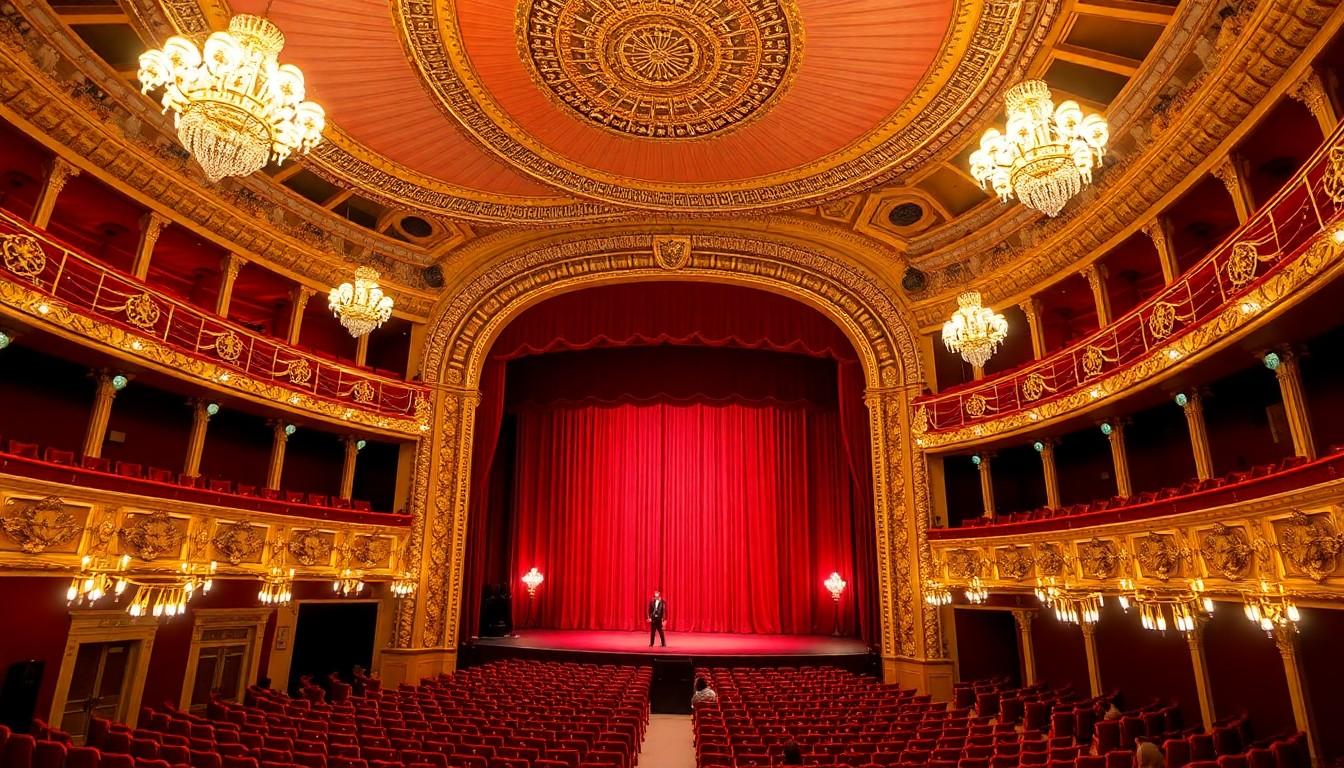
Celebrate the spectacle: theatre lovers and curious onlookers in New York are finding queer joy everywhere this Pride Month, from La Cage aux Folles revivals to rambunctious productions like Titanique and The Rocky Horror Show, and it matters because these shows make identity feel celebratory, communal and , yes , wildly fun.
Essential Takeaways
- Broadway spotlight: Revivals and new takes on classics are centring queer joy in public, theatrical spaces.
- Emotional resonance: Songs like “I Am What I Am” carry defiant, cathartic power and still land deeply.
- Cultural roots: Ballroom references and campy absurdity trace back to queer Black and Brown communities and survival strategies.
- Everyday joy: Queer happiness can be loud and political or quiet and personal; both are valid and sustaining.
How Broadway put queer joy centre stage this Pride
New York’s theatres have been draped in colour and noise this month, and you can practically feel the applause in the air. According to theatre listings and roundups of Pride programming, shows from La Cage aux Folles to The Rocky Horror Show have been promoted and staged with queer experience at the heart of their storytelling. These productions don’t just depict LGBTQ+ lives, they invite audiences to exult with the characters , the sort of communal uplift that feels tactile, like warm lights and a chorus line cheering you on. For anyone choosing seats this summer, expect spectacle that’s both showy and sincere.
Why a single song can mean so much
There’s a reason “I Am What I Am” still hits in 2026. The number’s declaration of selfhood is a tiny sermon delivered through brass and bravado; audiences recognise it as protest and as comfort. Journalists and reviewers point out how moments like Albin’s stand for more than a choice of wardrobe , they’re about refusing shame when public life insists on hiding. If you’re picking a performance to see, look for shows that give these anthems room to breathe: they’re the moments that turn communal joy into personal permission.
From ballroom floors to Broadway lights , the importance of roots
Modern productions are borrowing visual language from ballroom culture and other queer communities of colour, and that’s not just aesthetic theatre-telling. Those styles developed as responses to exclusion, turning fierce performance into both refuge and rejoinder. Coverage of the new Cats revival, for instance, highlights how elements of ballroom show up onstage, making the past present. When creatives credit those roots on playbills or in interviews, it helps audiences understand that the glamour onstage has a history of survival, creativity and love.
The delightful power of absurdity and camp
Some shows lean hard into silliness , Titanique, which riffs on a pop icon and a historical disaster, is deliberately absurd , and that’s part of queer joy’s toolkit. Critics and cultural commentators note that absurdity in these pieces isn’t mere mockery; it’s a form of release, a way to laugh and be free for a few minutes. If you’re after a night that loosens the shoulders and resets mood, a campy, over-the-top production will do just that. The trick is to enjoy the nonsense while feeling the human warmth underneath.
Quiet joy and everyday authenticity matter, too
Not every instance of queer joy need be a parade or a standing ovation. Illustrators, activists and community members remind us that small, private moments of being yourself are themselves acts of joy, especially when they come against difficulty. Reviews and essays this month stress that theatre can hold both the raucous and the tender , a whispered acceptance scene is as meaningful as a full-cast finale. For anyone supporting someone coming out, or seeking permission to be themselves, these quieter portrayals are often the most useful.
It's a small change in your evening plans that can leave you feeling lighter , pick a show, enjoy the noise, and let yourself laugh.
Source Reference Map
Story idea inspired by: [1]
Sources by paragraph: