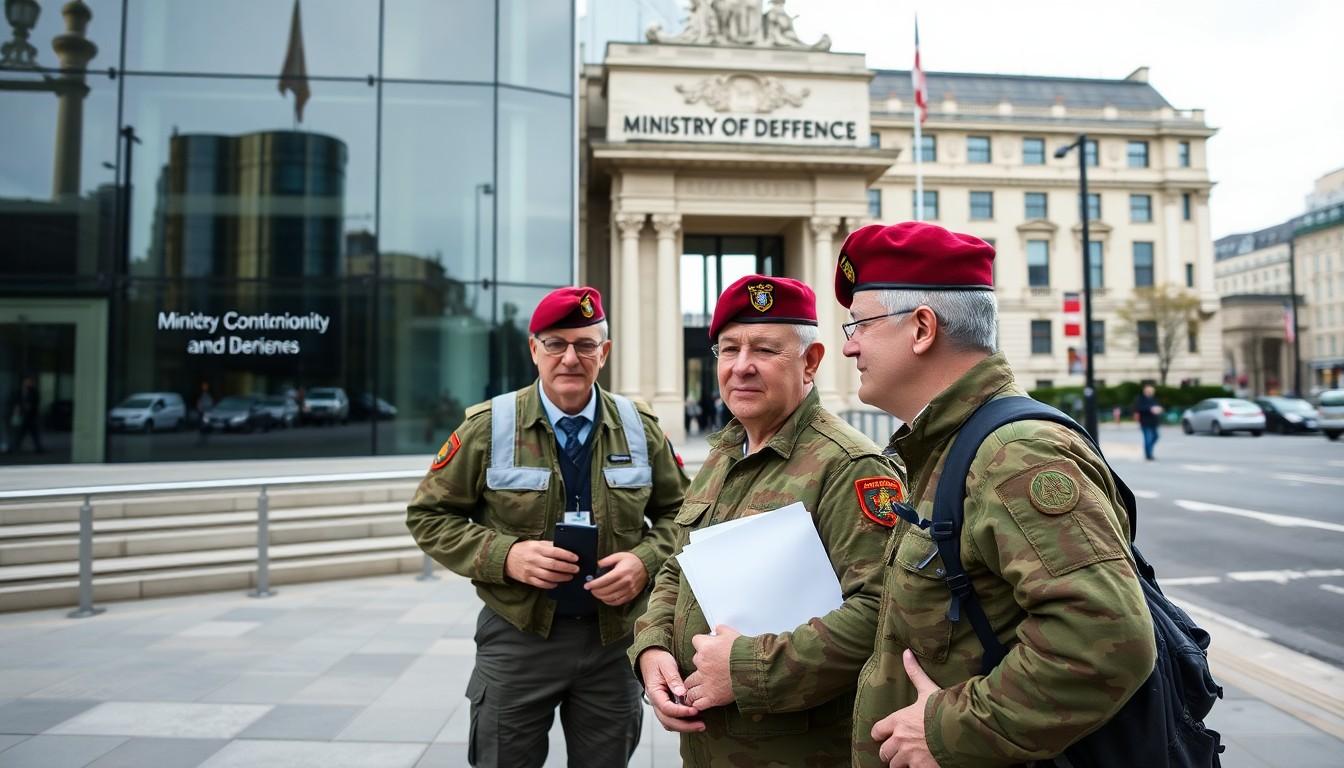
Shoppers aren’t the only ones racing a clock , LGBT veterans are being urged to apply now for financial recognition after a long-standing armed forces ban; former service personnel who faced dismissal or abuse for their sexuality or gender identity can claim up to £50,000, but the scheme closes in December.
Essential Takeaways
- Who’s eligible: Former service personnel affected by the 1967–2000 ban on homosexuality and gender identity discrimination can apply.
- What’s on offer: Awards of up to £50,000 are available under the LGBT Veterans Financial Recognition Scheme.
- Deadline urgency: Applications must be submitted before the scheme closes in December 2026.
- Help is available: The Royal British Legion and specialist groups can assist with applications; the process is described as straightforward by those who've applied.
- Emotional impact: Many applicants report relief and reconnection with their service identity when records are corrected and harms acknowledged.
Why veterans are being urged to act now , the deadline matters
Time is the headline here: the government-backed Financial Recognition Scheme for LGBT veterans has a firm closing date, and campaigners say that many eligible people still haven’t come forward. The issue is both practical and personal , applicants can receive up to £50,000 to recognise the harm they endured, and many are also seeking restored records, medals or simply an official acknowledgement. According to government statements, the scheme represents a long-overdue attempt to address historic wrongs and offers tangible redress. If you or someone you know served between 1967 and 2000 and suffered because of sexual orientation or gender identity, now is the moment to enquire.
What the scheme covers and how much you can get
The scheme covers historic mistreatment linked to the blanket ban on homosexuality in the UK armed forces that persisted until 2000. Awards are scaled to the severity and impact of the harm, with a maximum of £50,000 available for the most serious cases. The sums are intended to recognise psychological, physical and career harms , not to replace a lifetime of service, but to acknowledge damage done. Official guidance from the government explains eligibility criteria and the types of evidence that help support an application; the Royal British Legion and charities such as Fighting With Pride can guide applicants through paperwork.
How veterans describe the harm , human stories behind the claims
Personal accounts make the issue real: veterans who were dismissed, investigated, bullied or threatened with prison describe years of fear and a lasting sense of broken identity. Many talk about being forced to hide who they were while serving, only to be struck off reserve lists with a stigma attached. For some, having records corrected and receiving recognition has been healing , it reconnects them with a service identity they once had to deny. Campaigners stress that experiences vary widely, from subtle career damage to severe psychological or physical abuse, and the scheme is designed to reflect that range.
Getting help to apply , practical steps and where to turn
You don't need to go it alone. The Royal British Legion and specialist veterans’ organisations offer one-to-one support, help gathering paperwork and advice on evidence that strengthens a claim. Practical steps include checking your service dates against the scheme window (27 July 1967 to 11 January 2000), collecting discharge documents, medical records or witness statements, and contacting recognised charities for assistance. Many local councils and veterans’ hubs also list restorative measures and signposting services. Starting early gives you time to assemble records and get support if you hit a snag.
What happens after you apply , outcomes and outlook
Decisions aim to be fair and proportionate: successful applicants receive a financial award and may also have military records updated, medals restored or other restorative measures applied. Campaigners say this is not about penalising the past but about acknowledging harm and offering practical recognition. The wider picture includes an official apology and memorials, signalling institutional acceptance of the injustice. While no single payment can erase years of mistreatment, recognition can make a meaningful difference to wellbeing and community belonging.
It's a small change that can make every claim count , if you think you qualify, start your application now.
Source Reference Map
Story idea inspired by: [1]
Sources by paragraph: