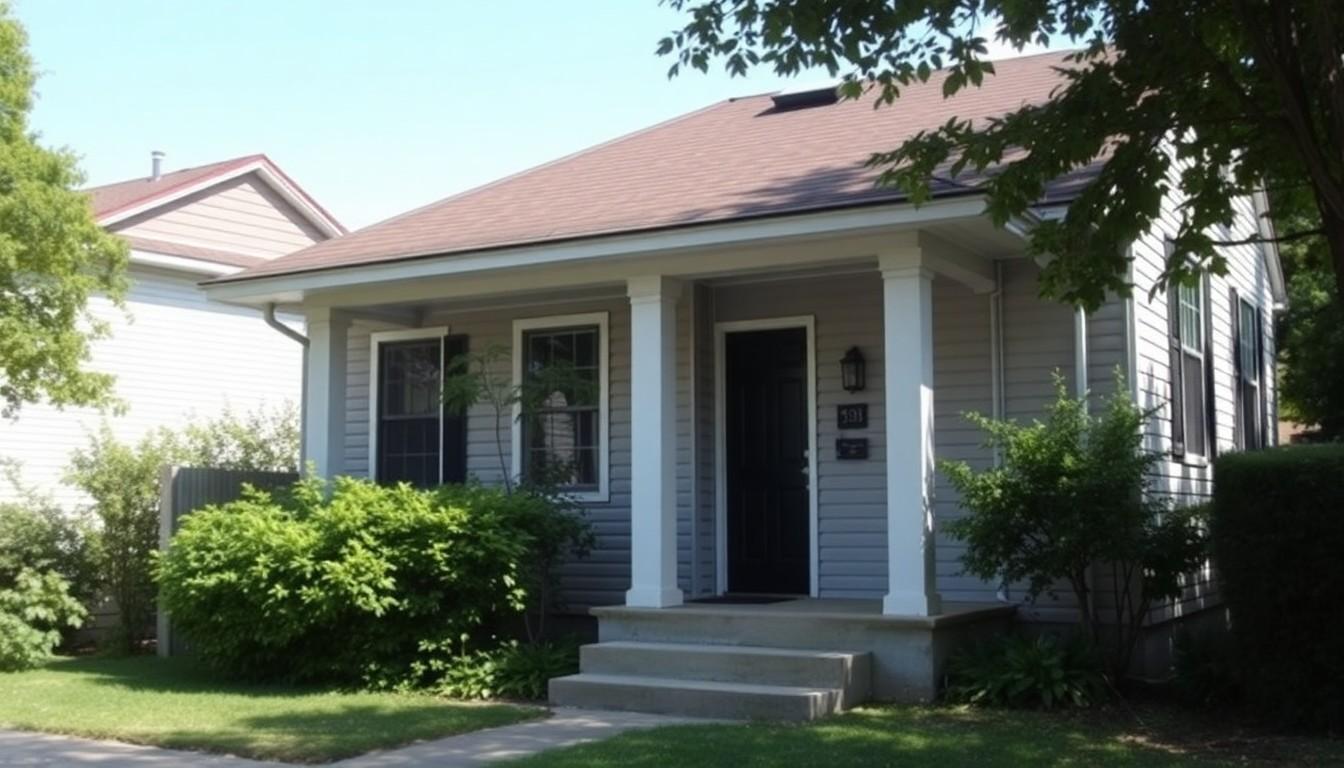
Shoppers for safer recovery are choosing places that feel like home , not hospitals. As Pride season sparkles, an expanding LGBTQ+ sober movement is turning up visibility, creating bright sober living homes and tailored treatment to meet unique needs across the US, and that matters for recovery and dignity.
Essential Takeaways
- Higher risk: LGBTQ+ people face substance-use rates two to three times higher than the general population, driven by discrimination, isolation and identity stress.
- New options: Community-focused sober living and outpatient centres are emerging to offer culturally competent care and safer social spaces.
- Design matters: Sober homes that feel bright, social and welcoming help people relax and stay engaged in recovery.
- Visibility helps: Pride events are increasingly including sober-friendly spaces, reducing stigma and normalising sobriety.
- Practical choice: Look for programs with LGBTQ-competent staff, peer support, and clear rules about safety and inclusivity.
Why LGBTQ-specific sober housing is finally arriving , and why it feels different
There’s a frank emotional lift when recovery spaces stop feeling clinical and start feeling like home, with sunlight, colour and a social vibe that says you belong. According to reporting on new initiatives, founders who left other careers to build sober homes wanted places they themselves would choose to stay in. That matters because many LGBTQ+ people drifted away from traditional sober housing that can be austere or mismatched to queer life. Industry directories and centre listings now show an uptick in properties and programmes aiming for both comfort and recovery-specific care. If you’re choosing a place, prioritise ones that combine professional counselling with peer connections , it’s the social fabric that helps people stick with sobriety.
The scale of the problem , why targeted services aren’t optional
Research and service guides consistently show substance use is disproportionately higher in LGBTQ+ communities, tied to stigma, trauma and rejection. For many, addiction is wrapped up with experiences of harassment, family breakdown and mental-health burdens, so a one-size-fits-all approach misses crucial contexts. That’s why centres tailored to queer clients can provide trauma-informed therapy, identity-affirming group work and safer housing where people aren’t forced to explain or hide who they are. When clinical programmes adopt those lenses, outcomes and engagement improve , and people can heal without having to educate their clinicians first.
What to look for in LGBT-competent recovery services
Choosing a sober home or outpatient centre is part instinct, part checklist. Practical things to check: staff training in LGBTQ cultural competency, visible non-discrimination policies, peer groups with queer-identifying members, and trauma-focused therapy options. Also scan for everyday comforts , communal spaces that feel welcoming, nearby transport and activities that aren’t centred on alcohol. Many new providers publish service details and resident testimonies online; use those plus a phone conversation to ask about safety protocols and community rules. If possible visit first , your gut about the vibe is a legitimate data point.
Pride, stigma and a changing culture around sobriety
Pride calendars now often include sober meet-ups, alcohol-free dance nights and recovery-focused panels, which is shifting public perception. Social campaigns and visible sober celebrities also help normalise being queer and substance-free. That cultural change reduces the isolation that fuels relapse and makes it easier to ask for support. At the same time, organisers and venues are still figuring out how to balance celebration with safety, so there’s room for more collaboration between recovery services and Pride planners to ensure sober spaces are not tokens but integral parts of festivities.
How founders are building for dignity, not just detox
Some operators in the space deliberately left other high-earning careers to create recovery homes with warmth, design and community at their core. Their aim is simple: sober living shouldn’t be bleak. By investing in bright, social environments and programming tailored to queer experiences, these homes hope to shift the narrative around treatment from punishment to possibility. For people considering recovery, that approach sends a strong message , you can be yourself and still get the help you need.
It's a small change that can make every step toward sobriety feel safer and more humane.
Source Reference Map
Story idea inspired by: [1]
Sources by paragraph: