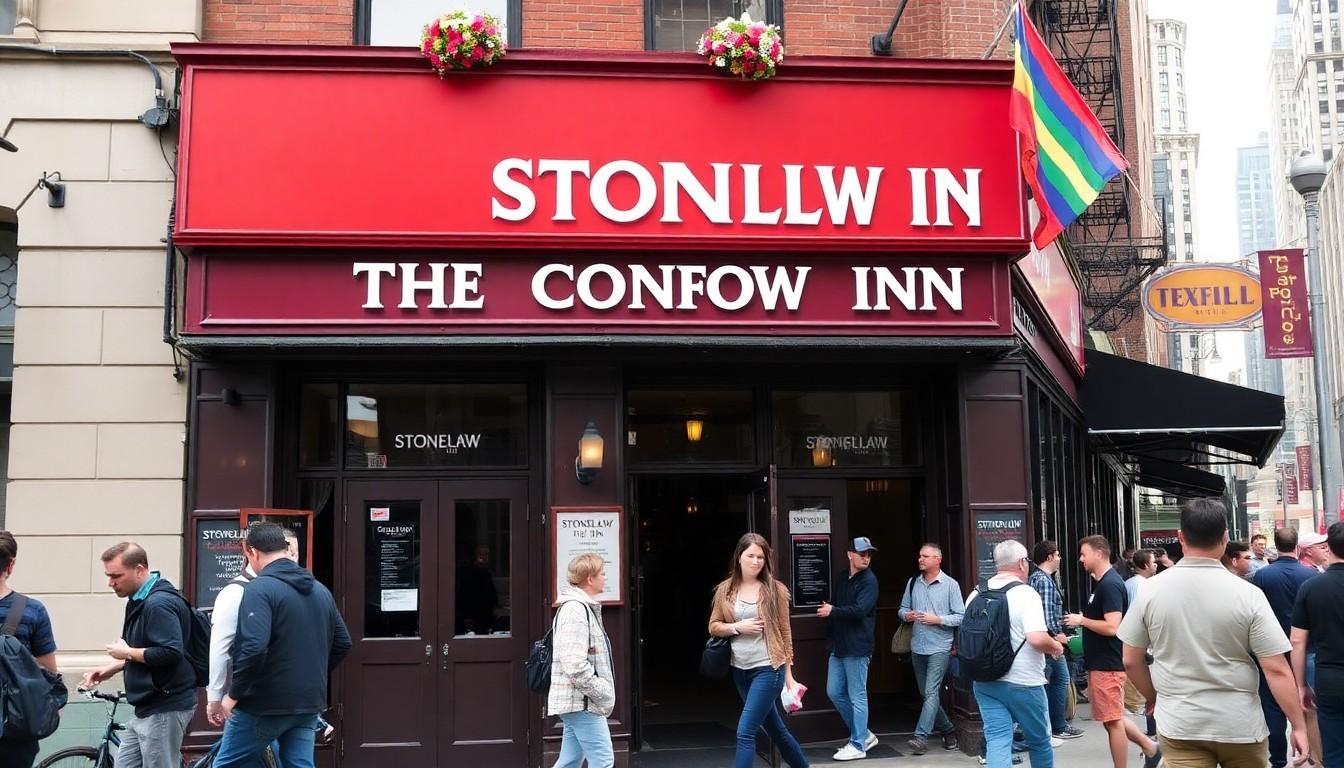
Shoppers, activists and Pride-goers are watching as The Stonewall Inn’s co-owners push back against rising anti-trans rhetoric, arguing the fallout from celebrity commentary has real-world consequences for LGBT+ people worldwide. Here’s why their global campaign matters, what they’re doing, and practical ways venues and allies can help protect safe spaces.
Essential Takeaways
- What happened: The Stonewall Inn’s owners say JK Rowling’s public stance has fuelled harm and division for trans people around the world.
- Scale of impact: Trans people make up a small share of the population but are increasingly used as political targets, according to The Stonewall Inn team.
- Action plan: Their non-profit, The Stonewall Inn Gives Back Initiative (SIGBI), has an eight-point programme to help venues create safer, year-round inclusion.
- Visible effects: Legal and policy changes , from Scottish court rulings to US school sport bans , show how heated the debate has become.
- Practical tip: Venues can adopt simple commitments, clear policies, staff training, and visible support, to keep LGBT+ spaces welcoming.
Stonewall’s owners call out celebrity influence , and it’s personal
The owners of The Stonewall Inn say comments from global figures have ripple effects that reach far beyond social media, and they’re speaking out with a kind of weary urgency. They see celebrities’ words turning into political tools, and that’s worrying when the stakes include access to safe spaces and basic recognition. According to coverage, the duo argue public influence has helped fuel a wave of anti-trans sentiment that’s landing in laws and public attitudes, not just online.
Their perspective comes from running a landmark site of queer history while watching current debates unfold, so it’s both symbolic and practical. They’re keen to remind people that history is fragile , forget the backstory and rights can be chipped away. For anyone running a bar, club or community hub, their point is clear: rhetoric matters, and silence can be costly.
Why the spotlight on trans people feels disproportionate
It’s striking to hear organisers note that trans people represent a very small slice of the population, yet they’ve become central to big political fights. That mismatch , tiny group, huge controversy , is exactly what makes the issue manipulative for some politicians, the owners say. They point to recent court rulings and policy shifts as evidence the debate has moved from discussion to exclusionary practice.
Context helps: campaigns to change laws like the Gender Recognition Act in Scotland created a flashpoint, and that set off a broader culture war. For readers wondering what to do, recognising the scale helps , this isn’t about erasing women’s rights, their message suggests, it’s about not weaponising a minority for political gain.
SIGBI: an eight-point plan you can actually use
The Stonewall Inn Gives Back Initiative (SIGBI) is the concrete response to the rhetoric , a set of eight practical measures designed with LGBT+ people to help venues be safer and more inclusive year-round. The idea is refreshingly straightforward: make policies visible, train staff, celebrate diversity beyond Pride month, and commit to ongoing consultation with the communities you serve.
If you manage a venue, start small. Post clear non-discrimination signs, create an incident response plan, and set a budget for periodic staff training. SIGBI’s model is intended to be adoptable worldwide, whether you’re a village pub or a city nightclub, and it’s a reminder that inclusion doesn’t need to be performative to be effective.
Legal shifts show the debate has moved into courts and schools
Across different countries, legal decisions and education policies have shifted the discussion into institutions people rely on. Recent rulings in the UK and US , from redefining sex in legal contexts to limits on participation in women’s sports , show how quickly public discourse morphs into formal restrictions. The Stonewall Inn owners point to these moves as examples of how cultural narratives become policy.
For parents, teachers and community leaders, the practical implication is to pay attention to local policy changes and challenge misinformation. Schools and colleges, in particular, need clear guidance so vulnerable young people aren’t left to navigate politicised rules alone.
What this means for Pride, history and the future
Running a historic site like The Stonewall Inn brings a duty to history and a responsibility to the future. The owners are trying to keep the memory of 1969 alive while also using their platform to build protections today. They’re worried about erasure , whether by removing references to trans people from memorials or by quietly rolling back rights , and they’re urging younger generations to learn the past so they’ll fight for the future.
There’s a hopeful note: action is contagious. When pubs, clubs and cultural institutions adopt simple, sustained inclusion practices, they make everyday life safer for LGBT+ people. And that’s the point , not just one month of rainbows, but year-round recognition and safety.
It's a small change that can make every safe space stronger.
Source Reference Map
Story idea inspired by: [1]
Sources by paragraph: