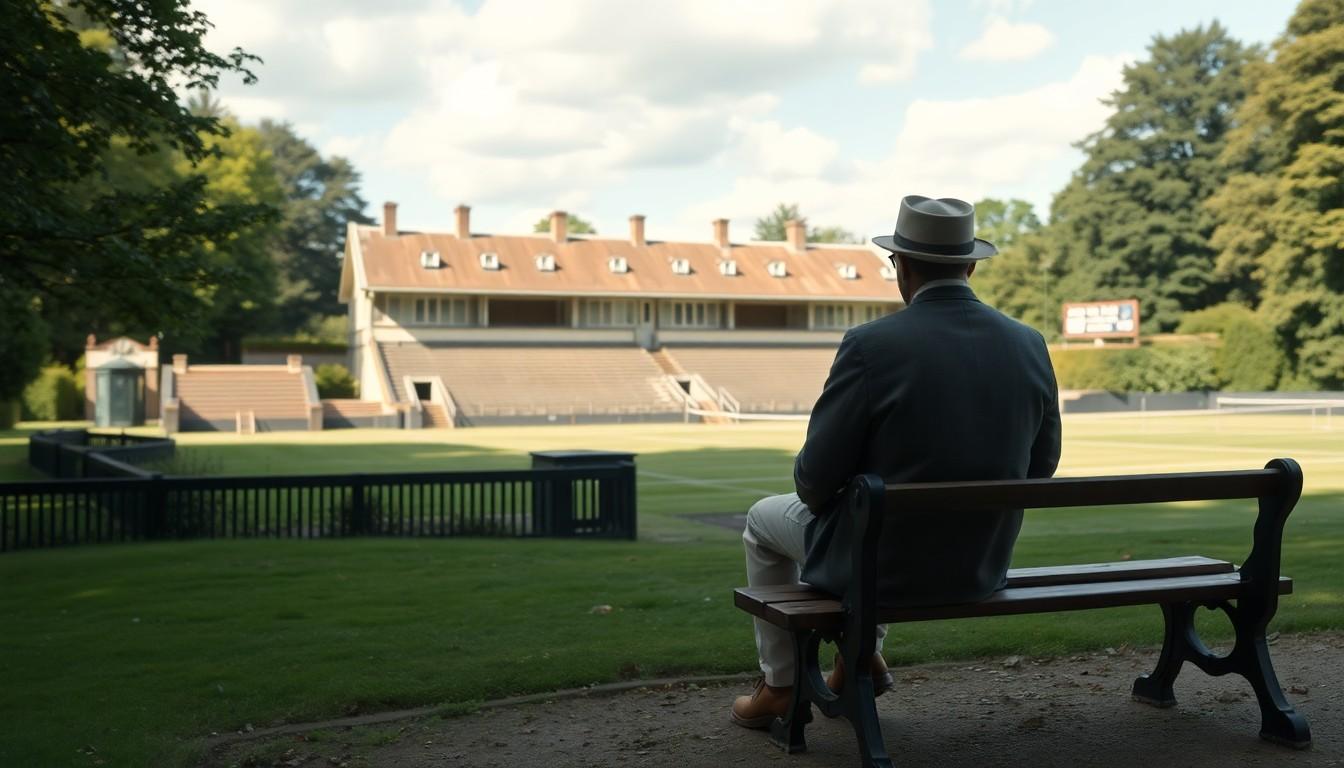
Shoppers are turning up to parks and Pride events to catch Fairlight, a bold new musical that reimagines the invention of lawn tennis as a what-if queer love story; it's touring the UK and lands in Sussex this summer, blending history, activism and an 1980s synth soundscape.
Essential Takeaways
- Tour dates: Fairlight visits Hove Park Tennis Club on 31 July and closes at Crawley Pride on 22 August.
- Creative team: Co-created by librettist Alexandra Taylor and composer Michael Wolters.
- Storyline: The show imagines the relationship between Harry Gem and Augurio Perera, the men linked to inventing lawn tennis, through a speculative queer lens.
- Tone and sound: Part art, part activism, the piece mixes Victorian-set scenes with modern interviews and a synth-heavy 1980s texture.
- Practical: Tickets and details are available at fairlightmusical.co.uk; a concert version will appear at Crawley Pride.
Why Fairlight feels refreshingly alive on stage
Fairlight greets you with something a little sharp and a little nostalgic , a synthesised 1980s sound that gives Victorian scenes an uncanny modern pulse. That sonic choice makes the past feel immediate and a touch mischievous, so you don't watch history as a museum piece but as a living question.
According to creators Alexandra Taylor and Michael Wolters, that liveliness is intentional: they're not asserting hidden facts but inviting audiences to ask what might have been, and what stories have been lost. That framing makes the show feel less like a lecture and more like a conversation you overhear at a café, urgent and quietly radical.
Reimagining tennis founders as a "what if" queer love story
The musical centres on Harry Gem and Augurio Perera, the pair most often credited with inventing lawn tennis in the 1860s. Rather than claim a recovered secret, the writers pose a deliberate counterfactual: what if these men were queer and what would that have meant for their lives and the sport they helped shape?
Taylor has stressed the ethical ground here , the production engages with absence and evidence, not with an attempt to rewrite documented history. For audiences this matters: it's an imaginative exploration that also acknowledges the many untellable lives erased by time.
Mixing past and present to explore homophobia in sport
Fairlight doesn't stop at period drama. It moves between Victorian scenes and contemporary material, including interviews with current LGBTQ+ tennis players, to draw a line from past invisibility to present-day challenges. That switching-up keeps the show's questions urgent: why does homophobia persist in sport, and how visible can queer athletes really be?
Composer Michael Wolters has pointed to the wider problem across sports, noting that aside from a few exceptions , like gymnastics and diving , acceptance remains patchy. The musical uses both archive-style storytelling and modern testimony to suggest that visibility itself is part of the battleground.
Theatrical style: part activism, part pop-synth theatre
On paper Fairlight sounds like an odd blend, but on stage the pieces slot together. The 1980s synth palette named after the Fairlight CMI sampler gives the show a pop-theatre gloss, while the libretto leans into theatrical intimacy. The result is art that wants to do something: to entertain, to provoke, and to open a discussion.
If you're considering going, expect an experience that asks questions rather than hands down answers. It's smart, at times cheeky, and built to be discussed in the pub or on the train afterwards.
How to see it and what to expect in Sussex
Fairlight is on at Hove Park Tennis Club on the evening of 31 July, and a concert-style performance will close the tour on Crawley Pride's main stage on 22 August. Tickets and practical details, including accessibility info and likely run times, are listed at fairlightmusical.co.uk.
If you care about theatre that mixes history with contemporary concerns, or you're curious about cultural retellings of sport, this is an easy pick: bring a jumper for outdoor shows and a readiness to join a conversation about visibility.
It's a small change in perspective that makes history feel remarkably present.
Source Reference Map
Story idea inspired by: [1]
Sources by paragraph: