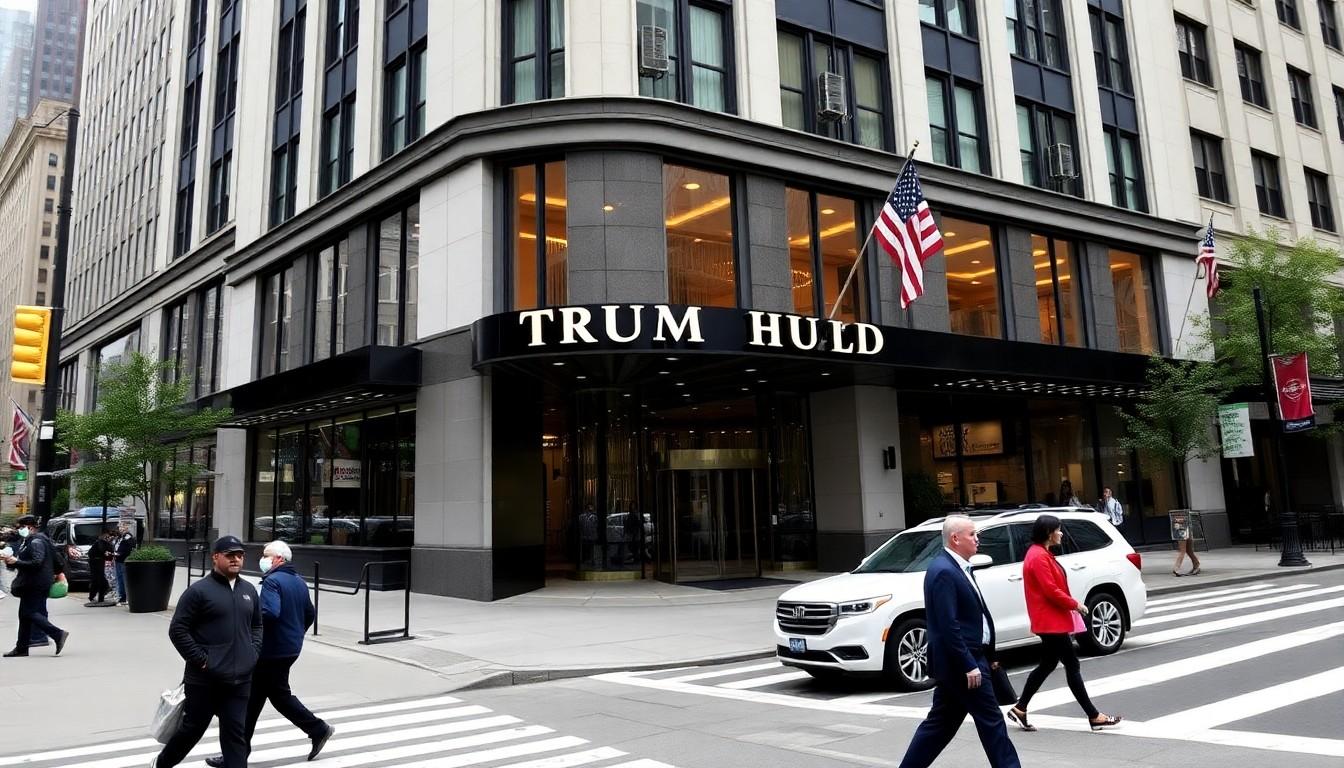
Watching bewildered MAGA-aligned attendees at a Pride fringe feel like a surreal sideshow , reporters went to New York’s Pride to ask why people who could lose rights are cheering policies that threaten them, and what they found was confusion, denial and a few old-school GOP converts.
- Surprising sight: A small MAGA-aligned festival set up near Trump Tower during Pride drew curiosity for its contradiction , loud flags, glitter and arguments in favour of leaders widely criticised for anti-LGBTQ+ policies.
- Common thread: Many attendees appeared unaware or dismissive of concrete threats like cuts to HIV funding and rollbacks of workplace and medical protections.
- Tone of responses: Interviews often sounded uncertain or rooted in talking points rather than facts, with some subjects openly questioning whether reported harms were real.
- Notable figure: The fringe crowd included activists linked to the WalkAway movement, a faction that has tried to recast conservative allegiance among queer people.
- Emotional texture: Conversations captured a mixture of earnestness, cognitive dissonance and, for onlookers, a sadomised fascination , like watching someone cheer while the scoreboard reads against them.
What happened outside Trump Tower felt like performance art , only it wasn’t
Reporters Walter Masterson and Lorelai Crean headed to a MAGA-aligned Pride event and found a tableau that looked part protest, part support group for contradiction. The scene had all the sensory cues you’d expect: flags snapping, voices raised, a kind of brittle excitement that’s equal parts festival and political rally. According to media coverage of the fringe events that sprang up near the tower during Pride weekend, these gatherings were small but visually loud, making them hard to miss.
There’s a backstory here: New York’s Pride attracts thousands, and from that crowd fringe factions often pop up to make points , or spectacle. Some of those points have shifted since older generations of gay conservatives, who largely prioritised fiscal policy, gave way to a newer MAGA-aligned strain that elevates culture-war signalling. For journalists and bystanders, the immediate impression was cognitive dissonance: people celebrating a movement that, by policy record and rhetoric, has repeatedly targeted LGBTQ+ advances.
If you’re wondering what motivates someone to cheer for a party that may strip away protections, it helps to remember that identity politics and partisan identity don’t always align. Some say it’s loyalty to a leader, others point to single-issue concerns like immigration or economics. But when the issues directly affect your safety or healthcare, the disconnect becomes hard to ignore.
“I don’t think any of that’s true”: fact-checking in real time
One of the most striking moments the reporters captured was a man insisting that claims about cuts to HIV/AIDS funding and workplace protections were simply false or exaggerated. When presented with contemporaneous reporting and data suggesting otherwise, his response veered into “fake news” territory , a reflex familiar to many political correspondents.
This reaction underlines how media literacy and source trust shape political belief. According to wider coverage of local Pride events, there's a mosaic of news ecosystems at play: some folks rely on conservative outlets, others on social feeds where talking points circulate unchecked. For people who haven’t followed policy details, headline claims can be reframed until they lose connection with reality.
Practical tip: if you’re trying to have a conversation about policies that affect civil liberties, anchor it in verifiable, recent sources and patient explanations. Facts won’t always land, but clear, calm context helps people who are genuinely curious, and quickly exposes talking points that don’t hold up.
Trans rights became the litmus test , and it got messy
When the discussion turned to trans youth and access to healthcare, the interviews moved into territory that’s both highly personal and politically explosive. Recounts from New York hospitals and advocacy groups show real-world examples of trans youth having care delayed or contested, even in cities considered relatively progressive. Yet some festival-goers framed these cases as “debates” rather than urgent medical and human-rights issues.
That framing echoes a broader national trend where trans rights have become a headline culture-war item. For many queer people, the stakes are existential; for some MAGA-aligned attendees, the issue is a performative grievance that fuels identity with their political tribe. The result is an argument that looks less like civic debate and more like an identity defence mechanism.
If you’re navigating conversations about trans rights, a practical approach is to lead with human stories and local resources. Explaining how puberty blockers or other care are part of standard protocols, and who makes those medical decisions, can reduce abstraction and increase empathy.
Who’s behind the fringe crowd , a new strain of conservative queer politics
Historically, gay Republicans often identified with groups like the Log Cabin Republicans, who emphasised tax and business policy. The newer MAGA-aligned queer contingent, sometimes associated with movements such as WalkAway, is different: it mixes personal narratives about disaffection with progressive causes and a strong alignment with a polarising leader.
That difference matters. Coverage of fringe organisers shows they’re less about traditional conservative platforms and more about cultural opposition to mainstream LGBTQ+ activism. Figures associated with this movement have been visible at events and on social media, and the optics , especially near a symbolic site like Trump Tower , are deliberately provocative.
For sceptical readers: don’t assume all queer conservatives share the same priorities. Some are sincere converts on economic grounds; others are performing a contrarian identity. The key is to look past the banner and ask what policies are being promoted and who benefits.
Why the spectacle makes the rest of Pride look different
There’s a bittersweet irony in seeing small MAGA gatherings at Pride while the broader parade marches for inclusion and safety. For many long-time activists, Pride is a hard-won celebration of survival and rights; the sight of people who might vote those rights away cheering beneath the same rainbow can feel surreal and, frankly, painful.
Media coverage of Pride and related clashes in past years has shown that festivals in big cities often attract a range of groups, from allied activists to hostile hecklers. The presence of provocative fringe events is part of that noisy ecosystem. Still, most attendees and organisers focus on community, safety, and visibility , and that remains the central story of any Pride weekend.
If you’re heading to Pride next year and want to avoid the spectacle, plan your route, stick with official events, and bring friends. It’s easier to enjoy the music and the glitter when you’re not distracted by a political sideshow.
It’s a small contradiction in a big city , but one that says plenty about how politics and identity collide.
Source Reference Map
Story idea inspired by: [1]
Sources by paragraph: