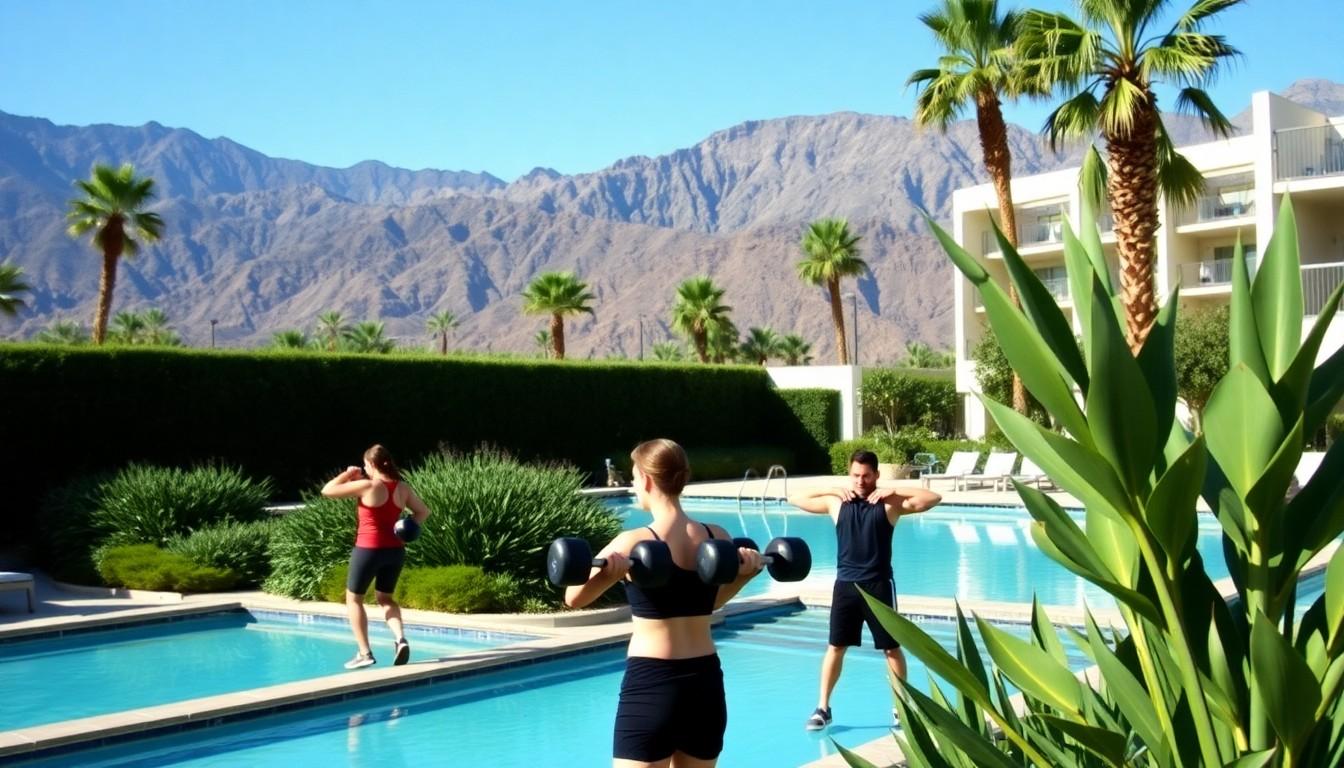
Shoppers are swapping circuit parties for coach‑led lifting camps in Bali, Costa Rica and Palm Springs, where gay men train, socialise and come home stronger , physically and socially. These multi‑day retreats promise structured resistance work, scaled coaching and a friendlier, long‑term focus on fitness and belonging.
Essential Takeaways
- Coach‑led training: Retreats centre on programmed resistance sessions, not casual classes, with coaches guiding progress and technique.
- Solo‑traveller friendly: About 80% of guests book alone, and organisers design the schedule to foster easy social bonds.
- Locations and length: Trips run from short US escapes in Palm Springs to six‑nine day multi‑country blocks in Bali, Costa Rica and beyond.
- Wellness, not punishment: Programs scale for all levels and emphasise sustainable strength, health and community over aesthetics.
- Real choice matters: Some operators label themselves “fitness retreats” while offering yoga or group travel , pick ones built around lifting if you want consistent strength work.
Why lifting camps have replaced the circuit party night out
Think of the sound of plates clinking instead of thumping bass, and you’re close to the vibe many are seeking. According to market operators, the new gay fitness retreats put resistance training centre stage, with multiple training sessions a day and clear progression goals. That change reflects a shift in priorities , attendees often want functional strength, injury prevention and community more than a holiday photo op. Industry organisers say the trips foster friendships fast because everyone shows up with shared goals, and that social maths is as powerful as the programming.
What a coach‑led retreat actually looks like
These aren’t impromptu push‑up sessions on the beach. Expect scheduled barbell, squat and accessory sessions in private gyms, intimate coaching ratios, mobility work and recovery built into the day. Visiting Wrld and Ketanga, for example, run multi‑day blocks with certified coaches who write the training plan and scale loads for individuals. The emphasis is on progression: you’ll track lifts, tweak technique and leave with a sensible next phase to continue at home.
Picking the right retreat: spotting the real lifting camps
Not every “fitness” retreat is created equal. Some operators lean into yoga, plant medicine or packaged group travel and only sprinkle in strength training. If a programme promises consistent resistance sessions, clear coaching credentials and a private training space, you’ve likely found a lifting camp. Check itineraries for session counts per day, coach bios, guest numbers and whether the programme supplies follow‑up training plans. That tells you whether the trip is built around lifting or simply wearing the label.
Who signs up , and why solo travellers love them
Around 80% of attendees reportedly book alone, which says a lot about how these retreats are marketed and run. The structure makes it easy to meet people , shared training, meals and downtime give natural conversation starters. Many guests arrive wanting to build a base rather than compete, so the atmosphere tends to be supportive rather than cutthroat. For those who’ve outgrown one‑night highs and want friendships that stick, these camps offer a better return on holiday investment.
Practical tips: how to prepare and what to expect
Pack smart: bring lifting shoes if you use them, a training log, and a pair of straps or belt if you depend on them. Arrive with a clear idea of your current maxes and any niggles so coaches can scale efficiently. Ask organisers about coach‑to‑guest ratios and what recovery support is provided , things like guided mobility sessions and nutrition talks matter. Finally, check whether the retreat offers a follow‑up plan so the gains don’t end when you fly home.
It's a small change that can make every trip about more than a tan , it can change how you train and who you train with.
Source Reference Map
Story idea inspired by: [1]
Sources by paragraph: