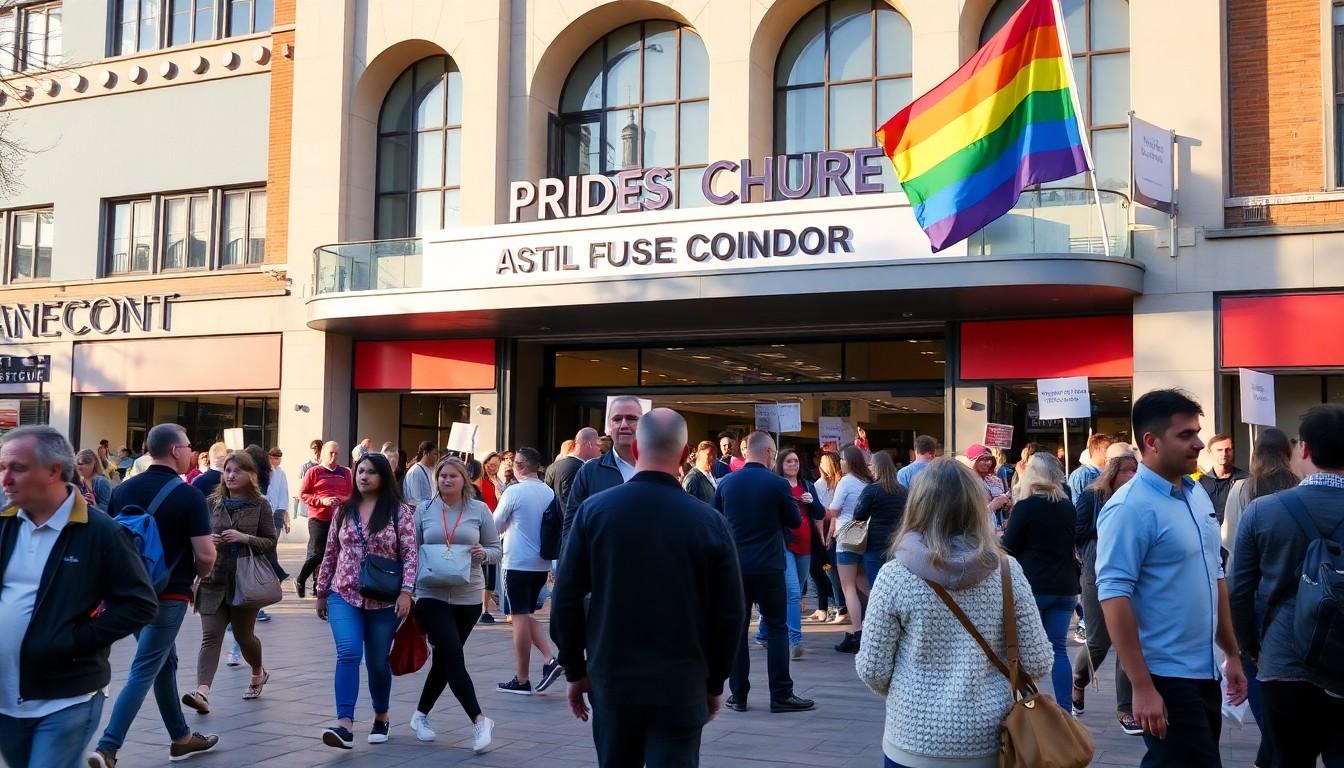
Spotting a worrying trend: London Pride marchers verbally abused Jewish attendees identified as Zionists, sparking a police probe and fresh debate about whether Pride remains a safe, inclusive space for all LGBTQ+ people. Here’s why it matters, what happened, and how organisers and marchers can act now.
Essential Takeaways
- What happened: Verbal antisemitic abuse was captured on video at London Pride, with victims identified as Zionist Jews subjected to slurs and accusations.
- Police action: The Metropolitan Police Service said it is aware of videos and is investigating, emphasising work to tackle all hate crimes.
- Community alarm: Jewish and LGBTQ+ advocacy groups condemned the incidents, stressing that targeted exclusion has risen in recent years.
- Wider pattern: Reports and research suggest many LGBTQ+ Jews feel pushed out of events and online spaces, leading some to withdraw.
- Practical next steps: Pride organisers, venues and marchers can tighten codes of conduct, improve steward training and create clearer reporting pathways for victims.
What the footage shows and why it landed at the top of people’s feeds
Video clips circulated over the weekend showing members of the parade directing abuse at Jews they identified as Zionists, with onlookers and others in the march caught between boos and supportive placards. The scenes are visceral , voices raised, faces contorted , and the contrast with Pride’s celebratory atmosphere makes the footage feel particularly jarring. According to news reports, the Met says it is investigating the incidents and monitoring online material. That response matters because visible law-enforcement follow-through can reassure victims and deter repeat behaviour.
How this ties into a longer story of exclusion within progressive spaces
This is not an isolated headline. Research by advocacy groups points to a sustained pattern in which queer Jews report exclusion from both online forums and public events. A 2025 A Wider Bridge report found many LGBTQ+ Jews saying they’d been expelled from social channels or harassed, and sizable shares had pulled back from attendance at events. Those figures help explain the raw anger and hurt behind recent reactions: when people feel repeatedly erased, a single public incident can seem like proof of a broader trend rather than an aberration.
What organisers and stewards can do now to make Pride safer
Event teams have practical levers: clearer participant rules, visible stewarding, de-escalation training and rapid-response reporting channels for hate incidents. Some venues and community groups have already tightened policies after similar episodes in other cities, and that’s a template worth following. Simple steps , signage stressing inclusion, hotline numbers for immediate help, and swift removal of repeat offenders , don’t cure underlying tensions, but they do reduce harm on the day and send a clear message about norms.
The policing angle: investigation, evidence and community trust
The Met’s public acknowledgement and probe are important, but follow-through is what builds trust. Police forces asking for footage, liaising with community groups and publishing outcomes can turn an upsetting episode into a case study in accountability. Still, policing alone won’t heal communal rifts. Many in the Jewish and LGBTQ+ communities say they want a mixture of justice, institutional reform and cultural conversation that addresses the roots of hostility.
Why this matters beyond London: lessons for Pride worldwide
Pride events are accustomed to handling disruption, but targeted abuse aimed at a specific identity within the LGBTQ+ umbrella raises different stakes. If organisers elsewhere take note, they can adapt their policies sooner rather than learning the same lessons later. For individuals, the takeaway is simple: check an event’s code of conduct before attending, know how to report incidents, and look out for friends who may feel particularly vulnerable. Inclusion is intentional work, not a given.
It's a small change , clearer rules, better stewarding and honest community conversations , that can make every Pride safer.
Source Reference Map
Story idea inspired by: [1]
Sources by paragraph: