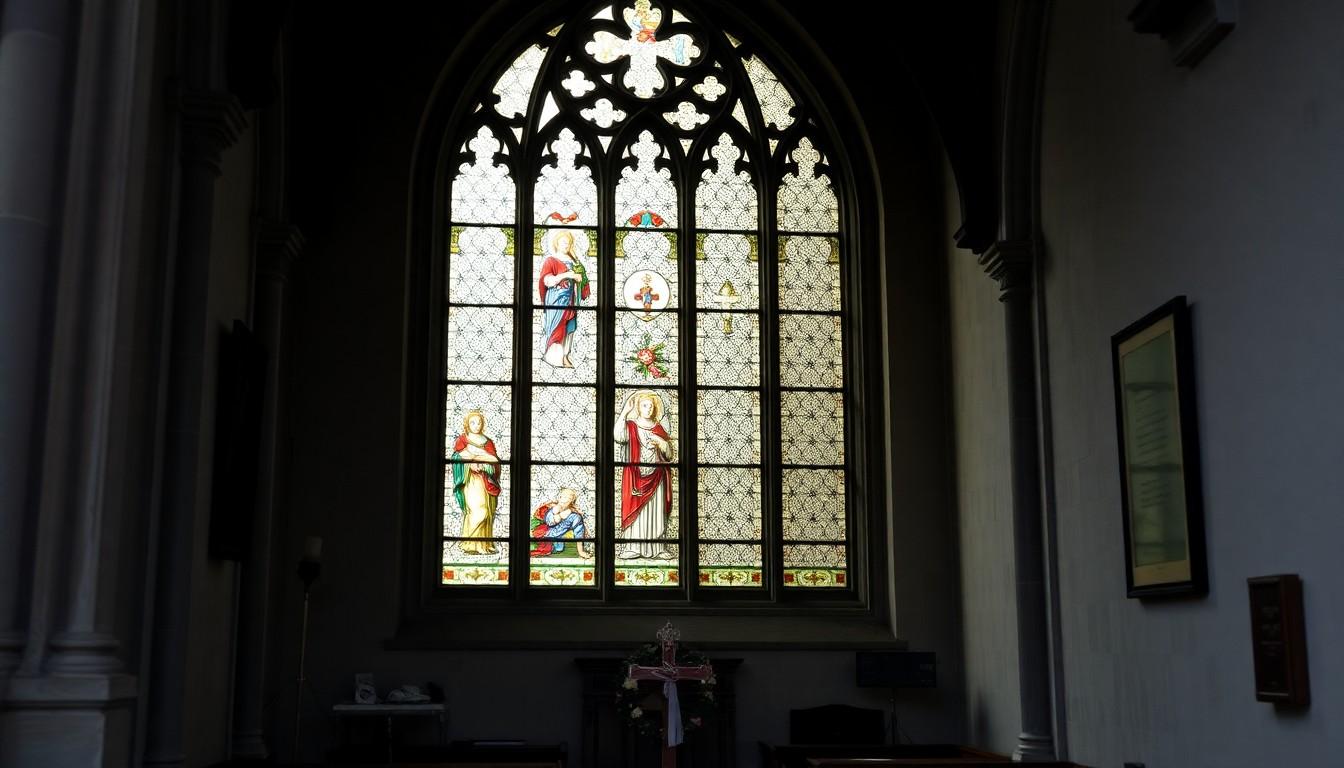
Spotting Pride posters outside a parish prompts a bigger question: who are these services for, what do they signal about the Church of England’s mission, and why readers across the spectrum are watching. Churches from London to dioceses nationwide are experimenting with new liturgies, pastoral outreach and conversation spaces , and it's shaping how people think about faith and community.
Essential Takeaways
- Synod action: The General Synod has approved steps to conclude the Living in Love and Faith (LLF) process and set up new working groups to take next-stage work forward.
- Formal signalling: Church leadership has publicly signalled support for exploring Anglican ways forward on same-sex relationships while seeking unity and pastoral care.
- Local practice varies: Some parishes run year-round LGBT-focused programmes and Pride services; others emphasise pastoral chaplaincy and listening ministries.
- Practical feel: Events range from quiet discussion groups and chaplaincy support to celebratory liturgies that blend popular culture with traditional worship.
- Why it matters: These choices affect parish identity, who feels welcome, and how the Church balances doctrine, pastoral care and engagement with culture.
Why Synod moves matter , a top-level nudge, not a uniform policy
The General Synod’s recent decisions give shape to the conversation, not a single answer for every parish. The Synod approved motions aimed at concluding the Living in Love and Faith process and setting up new working groups to take next steps. That means bishops, clergy and lay leaders will be working on pastoral and theological guidance centrally, while leaving room for local discernment. For people inside and outside the church this is significant: it signals institutional willingness to keep talking rather than lock positions. Expect more national guidance, but also continued variety on the ground.
What parishes are actually doing , from chaplaincy to year-round Pride programming
On the ground, responses look very different. Some parishes offer formal LGBT chaplaincy and pastoral support, providing a safe, discreet space for conversation and care. Others stage more public-facing events such as Pride services, film nights, and concerts that mix modern anthems with carols or prayers. The result is a patchwork: a familiar city church might run a year-long calendar of queer-focused events, while a rural benefice sticks to small-group pastoral listening and occasional public affirmations. That variety can feel creative and welcoming to some, and bewildering or alienating to others.
The pastoral angle: why chaplaincy and listening matter
Pastoral chaplaincy work is quietly influential because it addresses immediate human needs , counselling, community signposting, funeral support and spiritual conversation. Organisations and diocesan teams offering LGBT chaplaincy show a practical side of the Church that’s often overlooked amid headline debates. For many people who come through parish doors, what matters is daily care and being heard, not the shape of national doctrine. This focus on pastoral presence also helps parishes navigate sensitive pastoral situations without making every decision a public spectacle.
Culture and worship: bridging tradition and contemporary tastes
Some parishes attempt to bridge tradition and contemporary culture by borrowing current music, film and performance themes into liturgy. That approach has two big risks: it can feel like clever cultural mimicry that dates quickly, and it can obscure core theological markers that many expect in worship. On the other hand, creative liturgies can genuinely connect new people to parish life when done with theological seriousness and pastoral sensitivity. The practical tip for clergy: be intentional about why you borrow a pop-culture reference and how it serves gospel-shaped worship, not simply how it grabs attention.
Where this leaves congregations , unity, difference and local judgment calls
The national process aims to hold unity and difference together, but the day-to-day reality rests with local leaders and congregations making judgment calls. A parish deciding to run a Pride-themed service or a year-long programme needs to weigh pastoral gift, missional clarity and the expectations of its existing congregation. Some will find new life in being explicitly welcoming; others will see it as a distraction from core teaching. Whatever the choice, open communication and clear pastoral intent help reduce division and build understanding.
It's a small change in how services look and who’s invited that can make a big difference to people’s experience of church.
Source Reference Map
Story idea inspired by: [1]
Sources by paragraph: