Shoppers for change are cheering: California has carved out a landmark $10 million LGBTQ+ Community Center Fund in its 2026–27 budget, a first-of-its-kind state investment that promises local health, housing and youth services across the state , and could set a national example.
Essential Takeaways
- Historic allocation: California’s budget establishes a $10 million statewide LGBTQ+ Community Center Fund to support local centres offering care and services.
- Expanded health dollars: The fiscal plan adds $26 million to the Transgender Health Care Fund and broadens uncompensated care grants to include gender-affirming services.
- Big-picture safety net: Nearly $1 billion over five years is earmarked to bolster HIV treatment and prevention via the ADAP rebate plan, alongside $900 million for homelessness programmes.
- Survivor support fortified: Lawmakers approved a $50 million backfill to sustain victim services affected by federal shortfalls.
- On-the-ground impact: Centres can expect funding for medical care, mental health support, housing navigation and youth programming, all with a community-first focus.
Why $10 million for community centres matters now
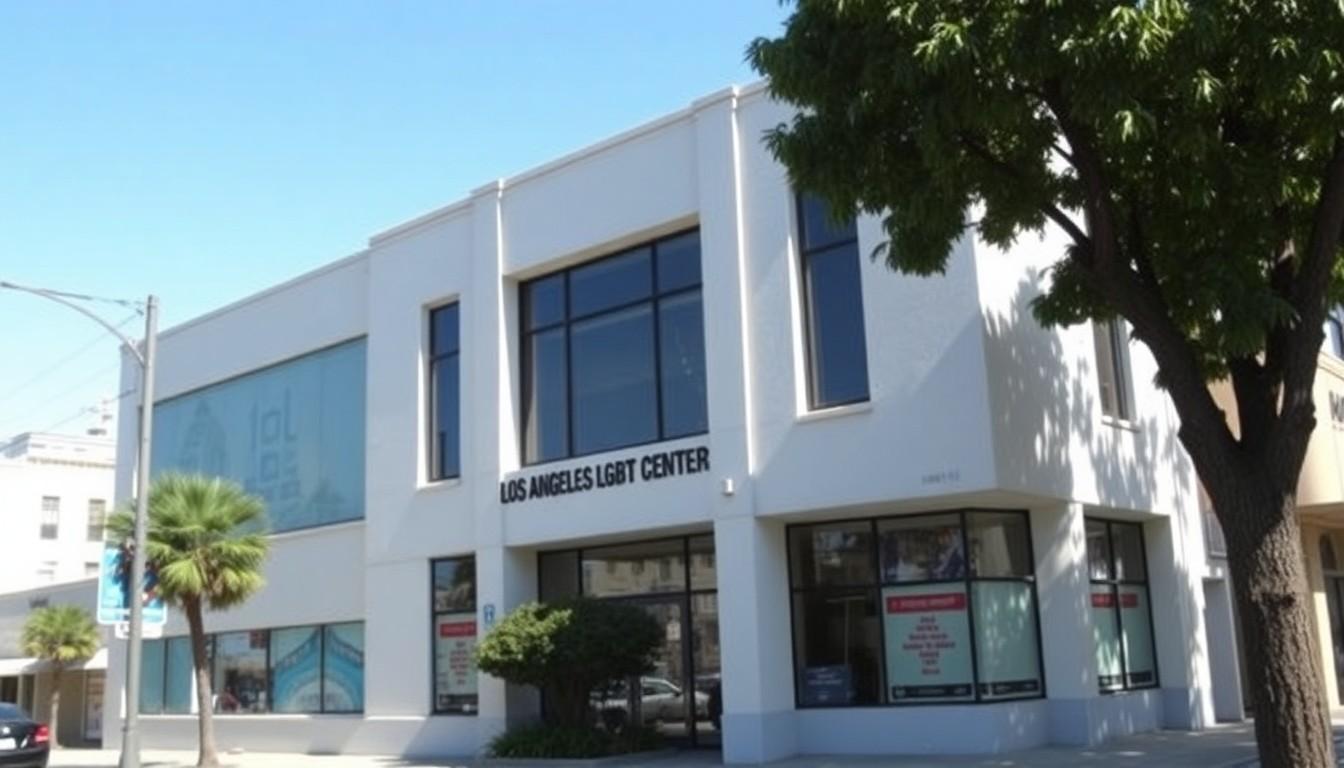
California’s new community centre fund has a practical, human texture: it's money that helps pay for rooms, counsellors and clinicians where LGBTQ+ people already turn for care. The Los Angeles LGBT Center hailed the move, pointing out that this sort of dedicated state support is rare, if not unprecedented. With centres often juggling grants and fundraising appeals, a reliable pot makes planning , and staffing , less fragile.
The fund arrives at a politically charged moment, when other states have cut protections. California’s choice to invest signals a policy contrast and a values statement. Practically speaking, local centres will be able to expand drop-in services, open more youth programmes and stabilise clinical offerings, which matters if you’re a young person seeking gender-affirming care or someone needing low-barrier HIV services.
What the health funding actually covers
Beyond the community centre line, the budget beefs up health-specific programmes. An additional $26 million goes to the Transgender Health Care Fund to protect medically necessary treatments, and the Uncompensated Care Grant Programme has been expanded to explicitly cover gender-affirming services alongside reproductive healthcare. That means clinics that previously struggled to get reimbursed now have clearer pathways to cover expenses.
For patients, the change reduces the financial friction around accessing care. For providers, it eases administrative strain and makes offering specialized services more sustainable. If your local clinic has been patching together funding, this should feel like a welcome, steadying hand.
HIV prevention and homelessness: funding that ties together
The budget doesn’t treat issues in isolation. A near‑billion-dollar plan over five years for the ADAP rebate fund aims to shore up HIV treatment and prevention, while $900 million is set for the Homeless Housing, Assistance, and Prevention Program. Those two commitments work in tandem: housing stability and reliable medication are both essential to improving health outcomes in LGBTQ+ communities disproportionately affected by homelessness and HIV.
Advocates note that these sums don’t fix structural problems overnight, but they create breathing room for longer-term programmes and partnerships. Expect increased outreach, more supportive housing placements and stronger medication access in counties that move quickly to claim and distribute the funds.
How local centres will decide who benefits first
Allocation frameworks vary, but the idea is to support a network of local providers offering a mix of services: medical care, mental health, youth programming, housing navigation and HIV prevention. Local governments and nonprofit partners will likely triage based on greatest need, capacity and geographic gaps , rural areas, for instance, might get priority for outreach dollars.
If you run a centre or volunteer locally, start by checking state guidance and your county’s public health office for application timelines. For residents, this is a moment to make needs visible: client data, waiting lists and community letters can influence how funds are distributed.
What advocates and officials are saying , and what’s next
Leaders from the Los Angeles LGBT Center framed the budget as one of the most significant LGBTQ+ policy victories in California history, saying the investments will save lives and strengthen institutions. The governor’s office and legislative backers have published budget summaries and floor reports detailing the allocations and implementation timelines, so the technical work is underway.
The next steps are practical: rulemaking, grant guidance and local outreach. Implementation will determine how fast funds translate into appointments, beds and counsellors. Still, the broad bipartisan budget passage suggests momentum to get money flowing rather than stalled.
It's a small change that could make every service safer, steadier and more accessible for people who need them.
Source Reference Map
Story idea inspired by: [1]
Sources by paragraph: