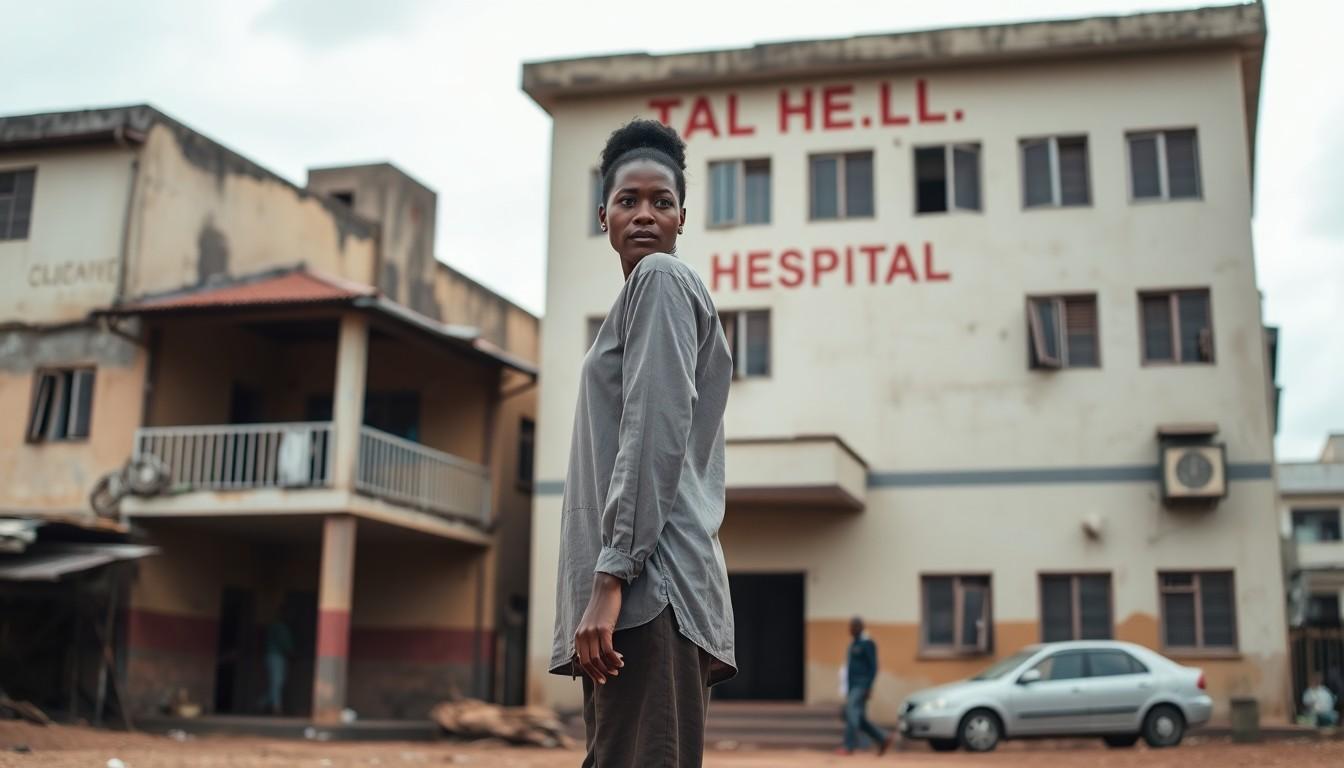
Shoppers are turning their attention to the human cost: in Senegal, LGBT+ people face fresh legal penalties and a climate of fear that is changing daily life, threatening healthcare access and forcing many to consider fleeing or going quiet , why it matters for human rights and public health.
Essential Takeaways
- New penalties: Senegal’s March law raises prison terms for same-sex relations to five–ten years, increasing risk of arrest.
- Widespread arrests: Over a hundred people have been detained since February amid investigations that sweep phones for private messages.
- Health impact: Fear of detection is pushing people away from clinics and HIV services, even though antiretrovirals keep many undetectable.
- Social pressure: Families, religious voices and moralising campaigns amplify stigma; lesbians now report rising threats too.
- Flight and trauma: Some have fled to neighbouring countries or Europe; many report anxiety, weight loss and suicidal thoughts.
A law that changed the mood overnight
The strongest fact is stark: lawmakers tightened penalties this spring and people say it has made everyday life feel like a minefield, with a persistent, physical tension , loss of sleep, palpitations and weight loss are common complaints. According to reporting, suspects’ phones are being searched and a private message or a video is often enough to spark an arrest. That method has spread fear quickly, and for many the choice is between invisibility and imprisonment. Practically, anyone who socialises in private spaces or exchanges intimate content faces new legal jeopardy.
How the crackdown mixes separate scandals into one crisis
Two separate judicial dramas , a high‑profile media figure accused in one probe and an alleged paedophile network in another , became muddled in public debate, creating a potent but misleading association between homosexuality, child abuse and disease risk. The result was a swift hardening of public opinion and, ultimately, legislation in March. Observers say this conflation has been weaponised by political and religious actors to justify tougher laws, which in turn amplify stigma and legitimatise policing of private life.
Clinics, condoms and caution: why public health is at risk
One immediate and practical consequence is that people are avoiding health services. Even those on antiretroviral therapy who are “undetectable” now worry attending clinics could expose them to arrest or outing. Healthcare workers and community doctors have resorted to informal pick‑ups for medication or secret rendezvous , stopgap measures that show resilience but are neither safe nor sustainable. The worry is clear: when fear keeps people away from prevention and treatment, public health gains risk being rolled back.
Family ties, faith and layered survival strategies
Many of those interviewed combine devotion to faith with secret lives, using prayer and routine to cope while hiding relationships from relatives and colleagues. The social penalty often precedes the legal one: homophobic remarks at work, pressure to marry and the threat of being publicly shamed or disowned are everyday realities. Some men enter so‑called “lavender marriages” or change dress and behaviour to fit gender norms; others try to build a quiet, financially secure life to soften family rejection. These adaptations can protect for a while, but the new policing makes concealment harder.
Women caught in a widening net
Lesbians are now being actively targeted after previously being relatively spared, with reports of lists circulated to authorities and family coercion , from confiscated phones to forced changes in clothing. Young women describe being pressured into marriages and suffering violence from relatives who see their sexuality as shameful. That intensifying focus on women signals a widening of the crackdown beyond a small subset of men to anyone who falls outside prescribed gender and sexual norms.
What people are doing , and what helps
Many are applying for asylum, though routes to safety are narrowing as European asylum rules harden. Some have sought refuge in neighbouring countries or Europe; others stay and rely on encrypted messaging and trusted networks. Practical tips for friends, allies and services: use end‑to‑end encrypted apps, avoid keeping incriminating material on phones, maintain trusted informal links to clinicians, and support local NGOs that offer legal or psychosocial help. International advocacy and legal channels can help, but the demand on the ground is urgent and personal.
Closing line It’s a small change in law with life‑altering consequences , and a reminder that criminalising identity damages both people and public health.
Source Reference Map
Story idea inspired by: [1]
Sources by paragraph:
- Paragraph 1: ,
- Paragraph 2: ,
- Paragraph 3: ,
- Paragraph 4: ,
- Paragraph 5: ,
- Paragraph 6: ,