Shoppers and voyagers alike are realising sober travel needs a plan , if you’re heading on a gay cruise and worried about recovery, this guide explains who to tell, what to prepare, and how to protect your sobriety while still enjoying the trip. Practical, calm, and built for the party-heavy cruise scene.
Essential Takeaways
- Be proactive: plan your support and exit strategies before you board, not when temptation hits.
- Name your triggers: identify specific moments (deck parties, toasts, free-flowing bars) so you can avoid or manage them.
- Have a short script: simple phrases like “I’m good, thanks” diffuse pressure fast and keep conversations light.
- Designate safe spaces: choose quiet times and corners on the ship to reset, such as sunrise decks or the gym.
- Build support: bring an ally or schedule check-ins with a sponsor, therapist, or sober friend.
Why a gay cruise is a different kind of test for recovery
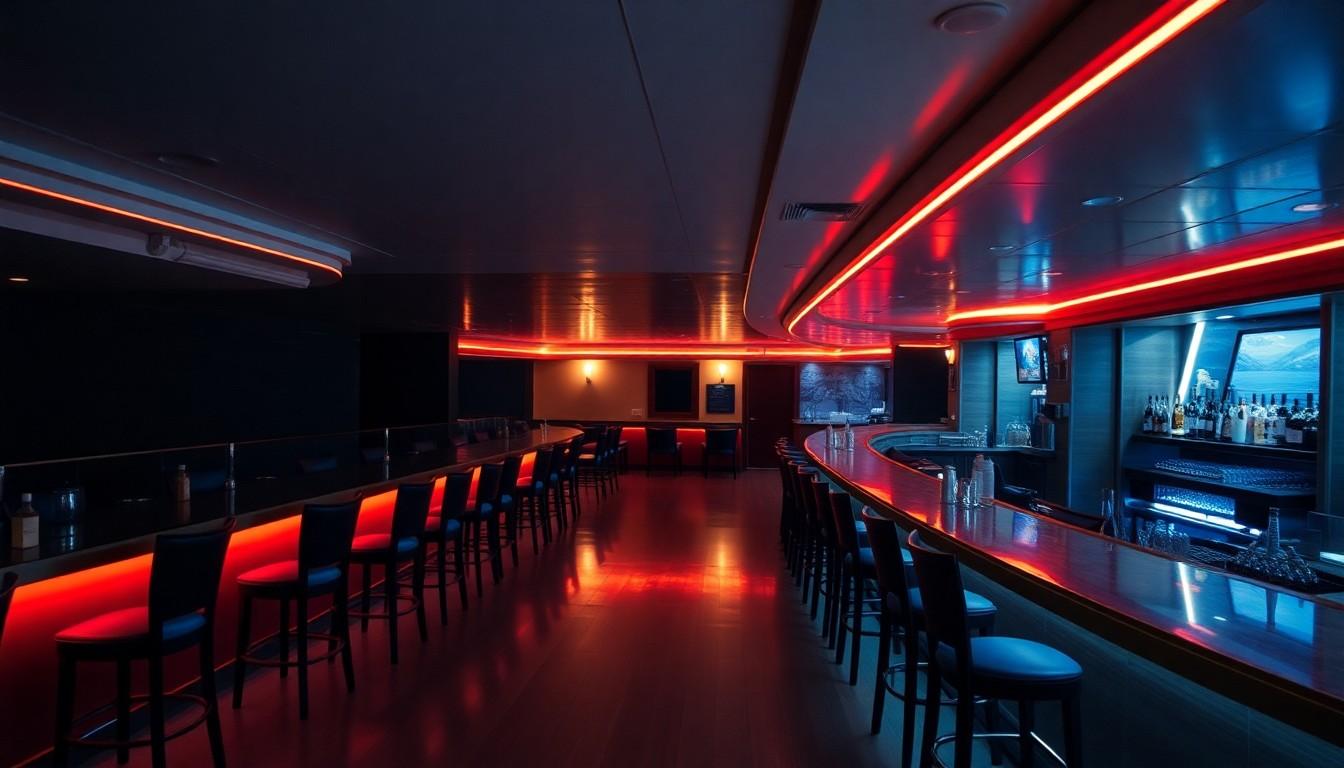
Cruises are a contained environment with built-in temptation, and gay cruises often lean into a high-energy party culture that can centre alcohol. The all-inclusive vibes, swim-up bars and themed nights mean there’s often a cocktail within arm’s reach before you’ve even unpacked. That combination , nowhere to leave, social pressure, and constant availability of drinks , makes planning essential rather than optional.
The problem isn’t moralising drinking; it’s practical. When you can’t walk away from the room, simple coping moves like “I’ll step outside for a bit” aren’t available. So think like a planner: map the ship’s schedule, spot the hotspots, and pick times and places you’ll avoid or use as safe zones.
How to build a pre-sail plan that actually works
The heavy lifting happens before you lift anchor. Start by naming the people who’ll know you’re in recovery and who’ll back you up , one trusted friend on board can change the whole experience. If no one is coming who understands, arrange daily check-ins with a sponsor or a short phone call home.
Next, list triggers: are late-night deck parties the problem, or the person who hands you a drink without asking? Once you can say exactly what will be hard, you can script responses and plan detours. This approach comes from recovery resources and sober-travel guides that all emphasise preparation over improvisation.
What to say (and what not to say) when drinks get pushed on you
You don’t owe anyone your life story. A short, unembellished line tends to work best , “I’m good, thanks” or “Not drinking this trip” , said plainly, ends most offers quickly. If someone persists, their insistence says more about them than about you.
If you prefer a firmer boundary, have a follow-up ready: “I appreciate it, but I’m not drinking,” or change the subject and move on. Avoid long explanations that open the door to negotiation; keep it neutral and unemotional so the conversation doesn’t escalate.
Practical shipboard strategies: where to go and what to do
Scout quieter corners of the ship: early-morning sunrises on the deck, fitness classes, spas, or a less-busy lounge can be surprisingly restorative. Put a few activities in your calendar so you’re not drifting into risky situations out of boredom. Many sober cruisers recommend booking excursions or workshops to give structure to the day.
Also, bring comfort items that feel grounding , a paperback, a playlist, or a mindfulness app. Small rituals (a coffee on the bow at dawn, five minutes of breathing before an evening event) create steady anchors when the surrounding culture is loud and liquid.
When to get extra help and how to plan for relapse risk
Anticipatory anxiety is real; if thoughts about the trip make you tense for weeks, speak with a therapist or your support network beforehand. Recovery professionals suggest role-playing pushback scenarios and arranging emergency plans , who you’ll call, where you’ll go, and how you’ll get off the ship if needed.
If you think the trip could be too risky, it’s okay to change plans. Choosing safety over social expectations is not a failure, it’s sensible self-care. And if a slip happens, remember relapse is part of many people’s journeys; have a return plan and a supportive person ready to talk you through next steps.
Closing line A little planning, a few honest conversations and some quiet shipboard rituals can keep your recovery steady , it’s a small change that makes every mile of the voyage safer.
Source Reference Map
Story idea inspired by: [1]
Sources by paragraph: