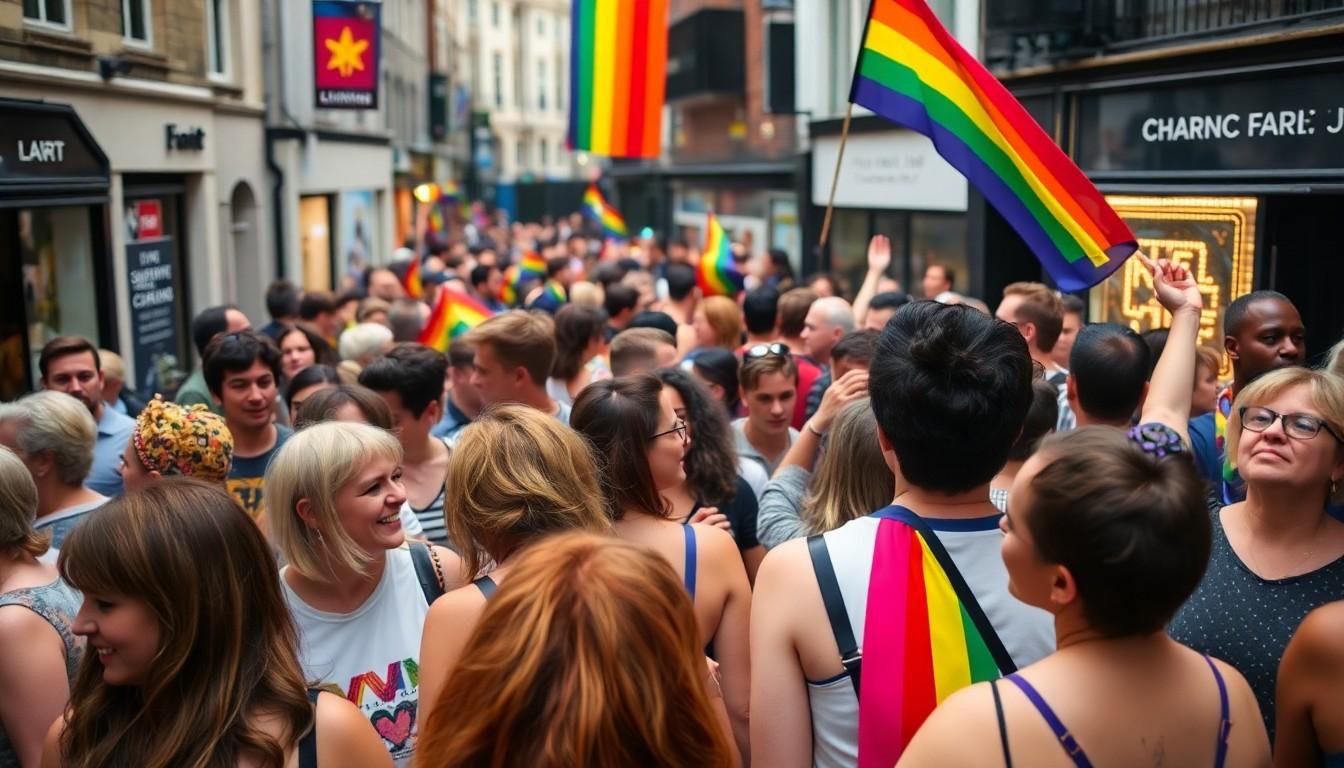
Spot the change: marchers say Pride in London felt different this year , welcoming, ordinary and loud with applause , as Jewish LGBTQ+ groups who faced doubts in recent years returned to parade together, reminding everyone that belonging can be joyful, visible and normal.
Essential Takeaways
- Warm reception: Marchers reported sustained, delighted applause from onlookers, signalling visible public welcome.
- Ordinary inclusion: Organisers say logistics and procession placement made participation feel normal and unremarkable , in a good way.
- Broad turnout: Support came from outside the queer-Jewish bubble, with families and passers-by dancing and enjoying the moment.
- Safety contrasts: Some groups had previously withdrawn over safety concerns, so this return represents both practical progress and emotional vindication.
- Community work matters: Long-term organising by Jewish and LGBTQ+ groups created the groundwork for a quieter, sturdier sense of belonging.
The applause told the story , why sound mattered
The first thing people noticed wasn’t banners or speeches but noise: sustained applause rolling along the route, warm enough to be unmistakable. Sound is honest; you can stage a photo but you can’t fake a crowd’s cheer. According to reports from Jewish community outlets, that reaction felt like proof to many that attitudes had shifted. For those who remember a time when queer Jews were seen as awkward or unwelcome, that spontaneous approval landed as both relief and celebration.
From being asked to stay away to marching like anyone else
Not long ago some Jewish LGBTQ+ groups felt they didn’t have a place at Pride; safety worries and debates over inclusion led to withdrawals and tense moments. Coverage from several outlets noted earlier pull-outs and anxieties, yet this year’s parade saw those same groups return and take their place. Organisers worked behind the scenes on volunteer training and security, and the effect was simple: the Jewish bloc could march as part of the parade flow rather than as an add-on, which made the day feel, crucially, normal.
The wider crowd showed up , and weren’t just performing solidarity
What stood out to participants was the diversity of onlookers , people who weren’t there out of duty but because they were enjoying the day. The energy was described as casual and sincere: families, locals and tourists clapping, dancing, and drifting into post-parade celebrations. That kind of easy, unselfconscious support matters because it signals a cultural shift; when empathy looks like people having a brilliant afternoon alongside you, it suggests inclusion is embedded, not staged.
Safety is still on the table , contrast with previous withdrawals
It’s important to keep perspective: earlier this month some Jewish LGBTQ+ groups withdrew from Pride citing safety concerns, and news outlets reported on those decisions. That history hasn’t vanished, and practical safeguards remain essential for future events. Community leaders point out that steady, patient organising , from security planning to longterm engagement with Pride organisers , made this year possible. The takeaway: progress often depends on practical work behind the scenes as much as public goodwill.
Why this matters for young queer Jews , a sense of belonging that’s not conditional
For a young Jewish person sitting awake and worrying they’ll have to choose between faith and identity, seeing an inclusive, visible Jewish bloc at Pride is powerful. Religious figures connected to the progressive movement joined the march, underscoring that tradition can stretch to include different lives. That visibility matters: it turns abstract debates into lived reality and gives younger people a model for how to be both queer and Jewish without having to amputate part of themselves.
It's a small change that can make every march , and every life , feel safer and fuller.
Source Reference Map
Story idea inspired by: [1]
Sources by paragraph: