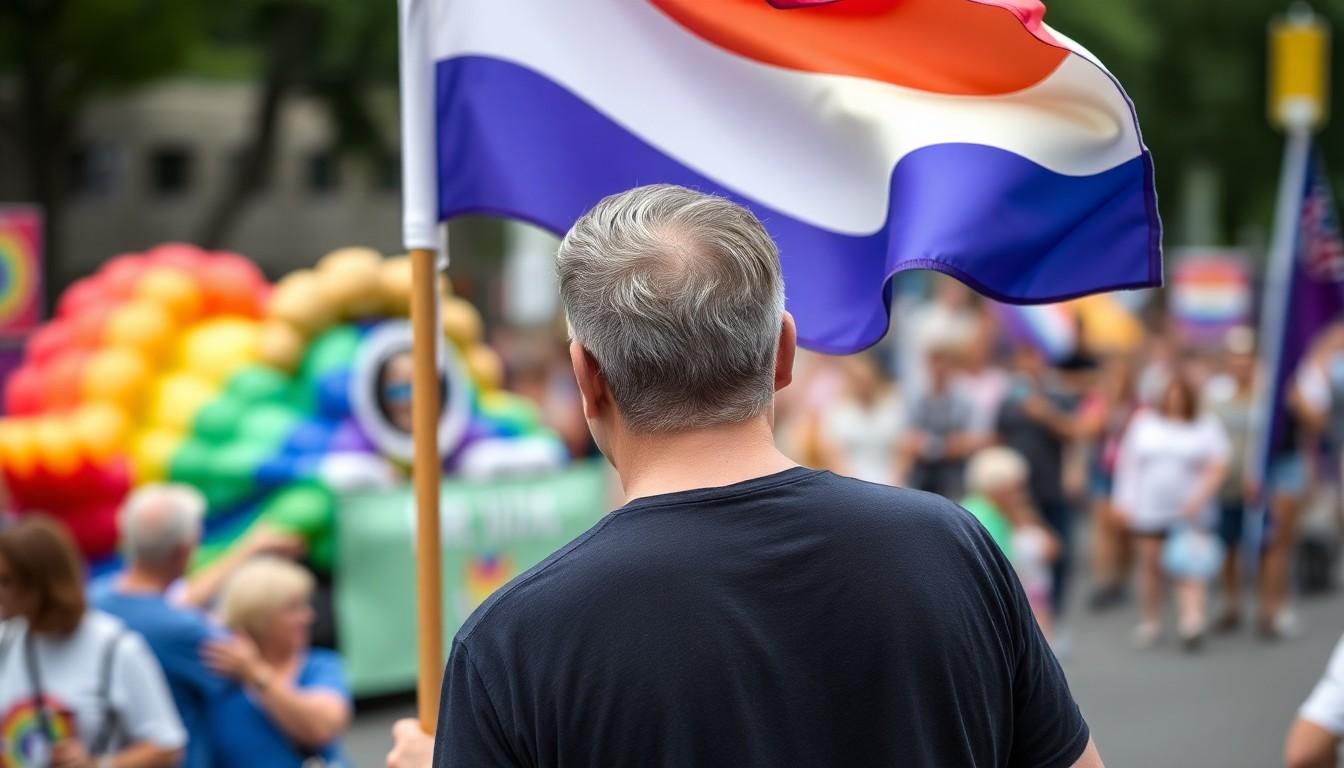
Shoppers, voters and parade-goers are noticing who actually shows up , and why that matters. After a week of pro-Susan Collins op-eds, Portland’s Pride momentum and visible allies like Graham Platner have sparked a sharper conversation about what real LGBTQ+ support looks like, who it protects, and why public gestures in Maine matter for national politics.
Essential Takeaways
- Visible support counts: Parade presence and public statements send a signal that feels personal and protective to LGBTQ+ families.
- Words vs votes: Praise for a politician’s gay-rights record can obscure gaps on bisexual, transgender and queer issues.
- Local Pride energy: Portland’s Pride events are bringing attention to who shows up and who stays silent.
- Practical allyship: Marching with a trans flag or publicly declaring defence of rights feels meaningful and reassuring to affected communities.
- Political context: Op-eds and endorsements can be strategic; grassroots perspectives may view them with scepticism.
Why a parade selfie can matter more than a press release
Seeing someone hold a transgender pride flag at a march is a small sensory moment , bright colours, a steady hand, a crowd cheering , but it carries heavy emotional freight. That image told some Portlanders that an ally was willing to be visible when it’s risky to be so. Local coverage of Pride month has amplified just how meaningful that can be. For families living under rising hostility, a public march feels less performative and more like protection.
Op-eds and formal endorsements matter in the corridors of power, yet they don’t always register the same way on the pavement. When people complain that praise for a senator glosses over gaps in their voting record, they’re pointing out that public sympathy isn’t the same as policy defence. If you want to pick the right kind of ally, check both the public gestures and the voting ledger.
The limits of headline-friendly praise
Praise in newspapers and opinion pages can follow political rhythms: a favorable piece appears, rapid responses come back, and voters are left parsing motive. It’s worth noting that some complimentary op-eds on a politician’s record focused narrowly on gay and lesbian rights while omitting bisexual and trans protections entirely. That omission isn’t an accident for many readers; it’s a substantive gap with real consequences.
So when you read puff pieces or flattering tributes, ask whether they address the full spectrum of LGBTQ+ people. If they don’t, treat them as part of the PR ecosystem rather than a comprehensive endorsement of equality.
What local Pride reveals about national politics
Portland’s Pride celebrations , parades, rallies, community booths , do more than entertain. They act as a real-time audit of who’s willing to stand publicly with marginalised groups. Industry groups, unions and local politicians showing up can shift public perception quickly, and that’s why visibility at events matters so much right now.
Beyond optics, these moments can influence campaign narratives. When grassroots voices notice a mismatch between warm words and votes, it changes how endorsements are received and how campaigns allocate their resources.
How to tell true allyship from convenient support
Look for concrete signs: has the person defended trans rights when it’s unpopular? Have they opposed bills that restrict education about gender or sexuality? Do they have a history of supporting policies that benefit queer and non-binary people, not just same-sex couples? Those are the easy checks that separate tokenism from genuine advocacy.
Practically, if you’re weighing support, scan voting records and public statements from different moments , crisis moments are revealing. Also, listen to community members: their lived experience with a politician’s stance often tells you more than a press release.
The emotional stakes: why words feel thin when lives are at risk
There’s a real fear among transgender people and their families right now, and that anxiety reshapes how praise is read. A few kind op-eds don’t comfort someone worrying about legislation that affects their child’s schooling or a partner’s access to healthcare. For many, an ally’s marching, speaking and voting in defence of rights is what matters.
That’s why community responses to public gestures tend to be blunt and honest. When an ally shows up with a flag or a clear pledge, it’s not just symbolic , it’s a signal that they’ll stand up when the stakes are highest.
It's a small change that can make every public show of support feel like more than words.
Source Reference Map
Story idea inspired by: [1]
Sources by paragraph: