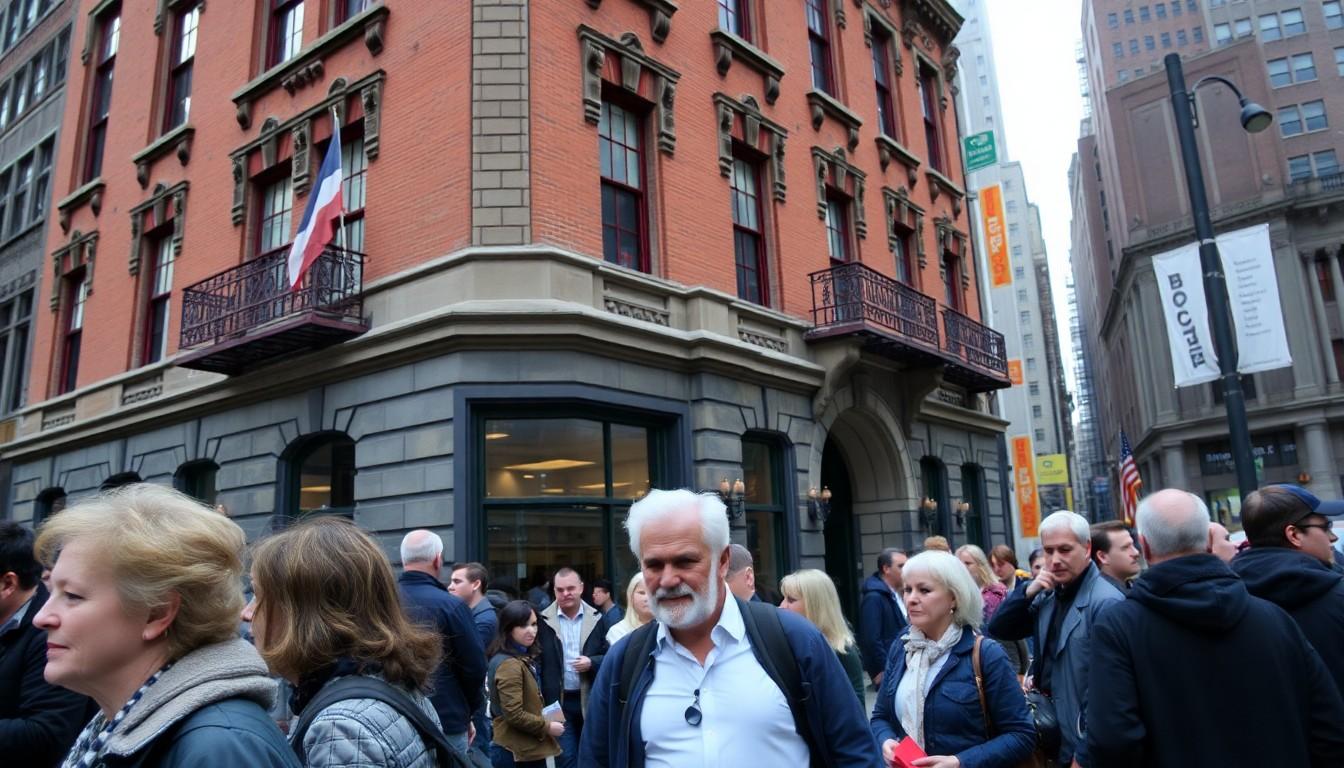
Noticing a different Pride? Shoppers, spectators and longtime activists have been spotting a shift in Pride parades from protest to party, with new flags, new faces and new tensions , here's what’s changed, why it matters, and how to read the parade next time you go.
Essential Takeaways
- Origins matter: Pride began as protest after the Stonewall riots, rooted in political struggle and visibility.
- Symbols evolved: The classic Rainbow flag has been supplemented by the Progress Pride variation, signalling broader inclusion.
- Focus shifted: As legal gains were made for gay and lesbian people in many Western countries, Pride’s spotlight broadened to transgender and other queer communities.
- Tensions visible: Some older gay activists feel alienated by changing priorities, aesthetics and displays at modern Pride events.
- Practical tip: If you want a quieter, historically focused experience, look for museum exhibits, community marches or remembrance events rather than large commercial parades.
What Pride was , and why its history still matters
Pride didn’t start as a festival but as an act of defiance. The first marches in New York were a commemorative response to the Stonewall riots, a street-level uprising against police raids and everyday violence. That gritty, urgent origin still colours how many people think Pride should feel: fiercer and explicitly political, with a focus on rights and safety. According to histories of Pride, that thread runs through anniversaries and chapters of the movement, from early vigils to organised demonstrations. If you want to understand current complaints about “what Pride has become”, keep that original political mood in mind.
Flags, symbols and who gets seen now
Symbols change, and flags matter because they tell a story. The rainbow flag long stood for non-straight sexual orientation; the Progress Pride flag adds a chevron and colours intended to signal trans people, people of colour and other identities. That expansion reflects real shifts in how communities self-define, yet it also creates cultural friction. Some older participants see the new emblems as a takeover of a banner they once claimed , and flags being everywhere outside bars or on parade floats is, for many, a visible sign that the movement’s centre of gravity has shifted.
From rights campaign to broad coalition , and why some mourn the old fight
Legal equality for gay and lesbian people in many Western countries has changed what Pride needs to do. Where once marches demanded basic rights, nowadays parades often highlight a wider set of issues , trans rights, intersectionality, and broader queer visibility. That widening is welcomed by many but it can feel like mission drift to those who lived through earlier struggles. Commentators and veteran activists have noted that as homophobia has diminished in public life, Pride’s political sharpness has softened into celebration , and that’s a genuine, emotional loss for some.
The spectacle question: celebration, provocation or both?
Modern Pride is loud, colourful and, at times, deliberately provocative. For some, nudity, fetish gear and sexually charged performances are authentic expressions of queer culture and a reclaiming of space. For others, that display makes a family-friendly public event uncomfortable and rubs against memories of a movement built on dignity and political demand. Cultural critics and ethicists argue about where to draw lines, and community organisers increasingly try to balance freedom of expression with inclusive programming that welcomes families and older attendees.
What to do if you feel left out , practical ways to engage
If you feel alienated by mainstream parades, there are less flashy ways to mark Pride that still honour history and solidarity. Look for quieter marches, museum panels, film screenings or local community centres hosting remembrance events and panels about the movement’s origins. If you attend a large parade, pick a viewing spot away from the loudest floats, or join a contingent that aligns with your politics , grassroots groups, health charities or history-focused organisations often march with clearer messaging.
It's a small change in tone that can mean a lot to people, so pick the Pride that fits your reason for going.
Source Reference Map
Story idea inspired by: [1]
Sources by paragraph: